Neighbor News
Family Addiction/Family Recovery
It's important for family members and significant others to realize they can find recovery the same way the addict does.

For years, the negative stigma of addiction has deterred addicts and family members from seeking help. Relatives and friends of addicts often hide behind a veil of silence and secrecy. As much as we may try to hide what’s going on, there’s no denying that in a family struggling with addiction, everyone is affected in some way. Needs are not being met. Relationships become strained. Living with an addict is both heartbreaking and exhausting.
It’s important for family members and significant others to realize we can find recovery the same way the addict does — by admitting that we are powerless to control this disease and we need to seek help ourselves. This is what’s commonly referred to as The Three C’s of Dealing with an Addict:
Find out what's happening in Vernon Hillsfor free with the latest updates from Patch.
• You didn’t Cause the addiction.
• You can’t Control the addiction.
Find out what's happening in Vernon Hillsfor free with the latest updates from Patch.
• You can’t Cure the addiction.
BUT…. we can heal from our exposure to addiction. Family members need help to learn how to stop blaming ourselves, stop blaming our loved one, focus on ourselves, and take responsibility for our own actions. We need to deal with our feelings rather than avoid them. Contrary to what many may believe, taking care of ourselves isn’t selfish. Truth be told, practicing self-care makes us better able to support those we love.
And this last point is key: Because addiction is a family disease, family participation in addiction recovery is essential. Research shows that people battling addiction who involve family members in their recovery experience both higher rates of recovery and life satisfaction. And the healthier and stronger you are, the better able you will be to help your loved one in recovery.
So where do we start? I’m not suggesting this is a 1-2-3 process. Recovery for your entire family will take time. Here are some steps as recommended by The National Council on Alcoholism and Drug Addiction:
Learn About Alcohol, Drugs, Alcoholism and Addiction: Our ability to cope with anything is a function of how much we know about what we are up against. Although you have been living with alcohol and/or drug problems for some time, learning about alcohol and drug addiction is a critical first step. Getting the facts about how alcohol and drugs affect the individual and the family is very important.
Seek Help and Support For Yourself: You and other family members need and deserve appropriate education, help and support in finding healthy ways to overcome the negative effects of the disease. Education, counseling and support groups can help you realize that you are not alone, that you are not responsible for the drinking or drug use and that you need to take care of yourself, regardless of whether the person you are concerned about chooses to get help.
Learn What You Can Do To Help: Only the person using alcohol and drugs can make the decision to get help, but you can help create the conditions to make that decision more attractive. Look into treatment options together and express your belief that treatment will work.
Be Patient With The Recovery Process: As with all chronic illnesses, everyone needs time to recover and regain health. For both the individual and family member, there may be relapses or breaks in treatment. Learn from these events and stay focused on recovery.
Hope For Long-Term Recovery: While addiction to alcohol and drugs has no known cure, the disease can be stopped once the individual abstains from alcohol and other addictive drugs. Today, there are millions of Americans living life in long-term recovery from addiction to alcohol and other drugs. And, millions more family members and children of addiction have also found recovery!
##
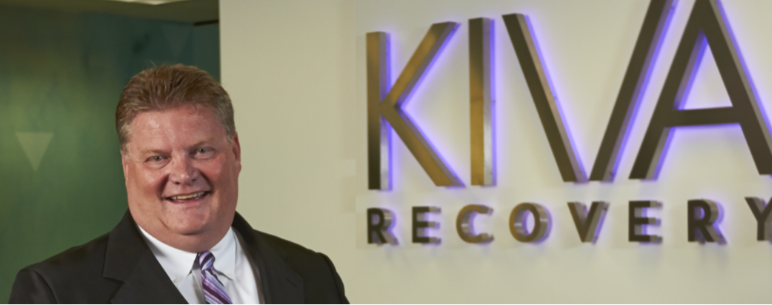
David Bohl is Executive Director of Kiva Recovery, the trusted resource in addiction treatment. Focusing on the individual and the strengths within each of us, Kiva’s treatment approach aims to replace addiction with solution-focused, growth-oriented strategies focusing on Lifelong Recovery through Holistic Health, Positive Character Building through Continuous Character Growth, and Life Satisfaction through Contentment. The Kiva Recovery treatment center is located in Vernon Hills. To learn more, please visit www.KivaRecovery.com.