Business & Tech
Substance Abuse is Only a Young Person's Problem, Right? Think Again ..... Baby Boomers Have Higher Rate of Substance Abuse
Experts say Baby Boomers have a higher rate of substance abuse than other generations

The idea that older folks might be abusing drugs and alcohol may strike some as improbable. After all, conventional wisdom contends that substance abusers are for young people.
Think again. Experts say Baby Boomers (born between 1946 and 1964) have a higher rate of substance abuse than other generations.
Statistics gathered by the Substance Abuse and Mental Health Services Administration (SAMHSA) show that illicit drug use among Baby Boomers has grown at an alarming rate. For adults aged 50-54 the rate more than doubled from 3.4% in 2002 to 7.2% in 2012. For those aged 55-59, it more than tripled from 1.9% to 6.6%. Among those aged 60-64, the rate increased from 1.1% in 2003 to 3.6% in 2012.
Find out what's happening in Vernon Hillsfor free with the latest updates from Patch.
Given this disturbing trend, it’s not surprising that the authors of SAMHSA’s 2012 National Survey on Drug Use and Health estimate the number of adults age 50+ who will need drug and alcohol treatment will increase from 2.8 million in 2002-2006 to 5.7 million by 2020.
So, why the upswing?
Find out what's happening in Vernon Hillsfor free with the latest updates from Patch.
Sure, the 76+million Boomers grew up in the 60’s and 70’s culture of increased drug experimentation. But just growing up in an era where experimental drug use was rather common can’t be the only reason we are seeing a surge of substance dependency and addiction.
The boomer generation is facing new stresses and pressures. Given the turbulent economy in recent years, many have faced financial insecurity and strain, and growing uncertainty of retirement. As we get older, we often face the pressures and challenges of caring for aging parents, and the inevitable and heartbreaking deaths of friends and family members become more of a reality.
Boomers are often also faced with their own health issues that may require prescription drugs that could, if not used as directed, lead to addiction. And let’s not forget that this is the age when women go through menopause, which can cause depression, insomnia and other issues.
Although many are often quick to attribute signs of substance abuse --- such as depression, memory issues, trouble with motor skills, etc --- to part of the aging process, it’s important for family, friends and caretakers to look beyond this cursory explanation. Warnings signs of substance abuse to be on the lookout for include:
· Overriding sense of loneliness
· Heightened agitation, moodiness, obsession
· Sleep problems, fatigue, memory loss or mood swings
· Withdrawal from family and friends
· Loss of interest in hobbies or other social activities
· Neglect of personal hygiene, appearance or weight loss
· Unsteady gait, unexplained bruises or frequent falls
· Complaints of nausea and vomiting
.
If you suspect something, first talk to your loved one. If you’re lucky he or she will admit they have a problem --- but more often there will be denial. And remember, a loving approach is especially important when intervening on an older person. Confrontation can lead to defensiveness and resistance. Love and understanding are more effective at opening the door between you and your older loved one.
And, don’t be afraid to seek professional help. Medical professionals have the knowledge, skills and credentials needed to provide your loved one with the full range of treatments and services they need to get on the road to lifelong recovery.
##
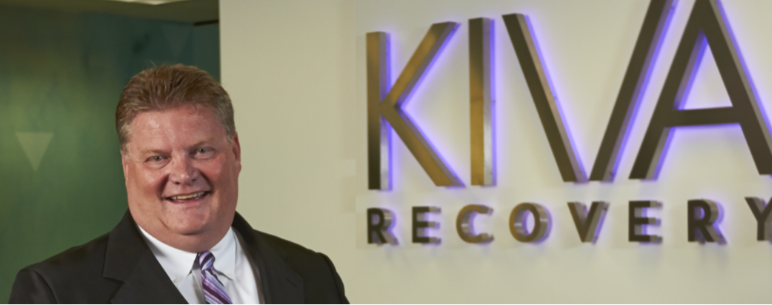
David Bohl is Executive Director of Kiva Recovery, the trusted resource in addiction treatment. Focusing on the individual and the strengths within each of us, Kiva’s treatment approach aims to replace addiction with solution-focused, growth-oriented strategies focusing on Lifelong Recovery through Holistic Health, Positive Character Building through Continuous Character Growth, and Life Satisfaction through Contentment. The Kiva Recovery treatment center is located in Vernon Hills. To learn more, please visit www.KivaRecovery.com.