Neighbor News
Substance Abuse Programs Need to Look at the Whole Person
Holistic approach builds on the realization that addiction is only a symptom of a bigger problem

“The part can never be well unless the whole is well.”
These words from the ancient philosopher Plato capture what the foundation of substance abuse treatment and recovery should be --- holistic.
Find out what's happening in Vernon Hillsfor free with the latest updates from Patch.
The National Institute on Drug Abuse (NIDA) recently published a guide based on research that provides the 13 principles of effective drug addiction treatment. One of the principles placed an emphasis on treatment that is holistic:
Drug and alcohol treatment that is effective addresses not just the addiction alone; it must address the medical, psychological, social, vocational, and legal issues as well. Treatment must be holistic in nature.
Find out what's happening in Vernon Hillsfor free with the latest updates from Patch.
A holistic approach is built on the realization that addiction is only a symptom of a bigger problem. Stress, people, locations, moods, dates, smells ….. the list of things that can initiate a person’s excessive use of drugs or alcohol can be long and varied. These triggers lead to an imbalance within the individual. They become stuck and unable to deal with their thoughts, feelings and actions. They don’t feel comfortable in their own skin.
A holistic approach is also built on the belief that substance abuse recovery needs to go beyond abstinence to help the whole person become whole again. The Substance Abuse and Mental Health Services Administration (SAMHSA) defines recovery from alcohol and drug problems as “a process of change through which an individual achieves abstinence and improved health, wellness, and quality of life.”
Think about it for a minute. The effects of substance abuse are wide and varied. For most, substance abuse takes its toll on one’s physical health. It often hurts relationships with friends, families and co-workers. It’s been shown to damage one’s feeling of self worth. For successful treatment, the individual has to be given tools to repair every aspect of their life.
This is what a holistic approach is all about.
Unlike short-term treatments that typically focus only on fighting the physical dependency, a holistic approach is a long-term approach to recovery that focuses on constantly striving for self-improvement. It helps a person identify the causes of their addiction, understand the actual triggers that lead to substance abuse, and develop a recovery plan. As the NIDA explains, holistic drug recovery programs can help patients:
· Identify what is triggering their addictions
· Understand the step-by-step events that led to drug use
· Stop the addiction early
· Cope with triggers through visualization, thought disruption and relaxation
· Find alternatives to drug abuse
By working to bring the person back to a natural balance, build self-esteem and empower change, a holistic approach is shown to provide long-term recovery rather than just a temporary reprieve.
##
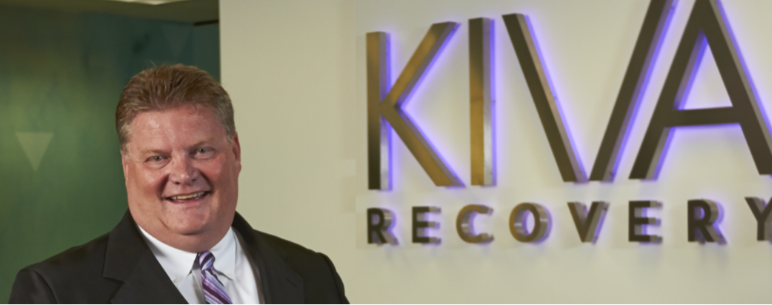
David Bohl is Executive Director of Kiva Recovery, the trusted resource in addiction treatment. Focusing on the individual and the strengths within each of us, Kiva’s treatment approach aims to replace addiction with solution-focused, growth-oriented strategies focusing on Lifelong Recovery through Holistic Health, Positive Character Building through Continuous Character Growth, and Life Satisfaction through Contentment. The Kiva Recovery treatment center is located in Vernon Hills. To learn more, please visit www.KivaRecovery.com.