Neighbor News
The Power of Music to Help Cope with COVID-19
Northwestern Medicine music therapist offers tips for dealing with stress and anxiety during the COVID-19 pandemic.

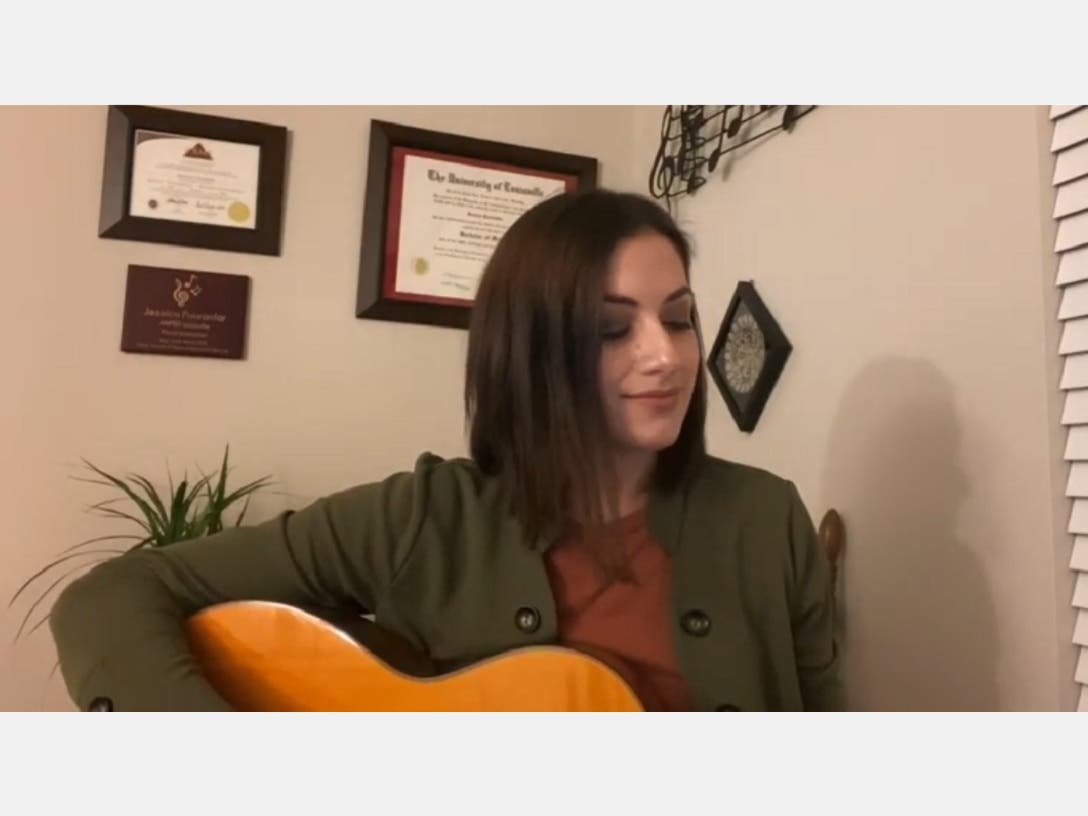
Jessica Pouranfar, MT-BC, NICU-MT, NMT, music therapy clinical manager at Northwestern Medicine Central DuPage Hospital, explains how music can be a powerful tool to help deal with stress and anxiety during the COVID-19 pandemic.
Social media is filled with people singing and dancing during social isolation. What is the power of music to help us cope?
For musicians and performers, this is the perfect opportunity for them to practice, share their music on social media, and use it as a means to connect with the world outside. The good news is, you do not have to be musically inclined to reap the benefits of music! Aside from playing a musical instrument, music listening in itself releases endorphins in your system. When listening to music that you enjoy, dopamine, the “feel-good” chemical and serotonin, the “happy” chemical is released in your brain giving you a sense of pleasure and boosting your mood. Music is a great motivator and music with a strong beat will make you want to move due to a psychological phenomenon called entrainment. This is why so many people listen to music when exercising and dancing. Could you imagine doing these activities without some beats?
Find out what's happening in Wheatonfor free with the latest updates from Patch.
How can music help relieve stress?
Along with dopamine and serotonin that is released when listening to music, oxytocin is a hormone released while singing which can alleviate stress and anxiety. Studies have found that singing decreases feelings of depression and loneliness. You don’t have to be a great singer to sing! Also, any kind of active engagement in music can help relieve stress such as playing an instrument or moving/dancing to music.
Find out what's happening in Wheatonfor free with the latest updates from Patch.
Is there a certain type of music you should use for meditation, stress relief?
For meditation it is recommended to use music without lyrics and something with a slow tempo. Music can actually lower blood pressure and reduce respiration rate when used intentionally, so be sure to listen to something that is soft, slow and pleasant to your ears. If you are experiencing stress or anxiety, start by listening to music with a faster tempo and louder volume to match your state and gradually diminish the speed and volume of your song selections as you continue to listen. It is helpful to create a playlist for yourself that you can use when you are under stress so that you’re not having to shuffle through and think too much but rather just push ‘play’ and breathe! Be careful not to use music that is tied with a bad memory as this can trigger a negative reaction and has the power to make you feel worse.
What tips do you have for an optimal experience?
It is important to set up your atmosphere when using music for an optimal experience. This means dim the lights, make sure the temperature is just right, turn off your phone, get into a comfortable position and minimize all distractions to use music mindfully and purposefully. You can also add other sensory stimuli to your music listening experience such as candles, scented lotion, essential oils or a heated blanket. Be sure to listen to music that satisfies your preference; if you listen to Mozart and you don’t like classical music, it won’t help you. There’s no one-size-fits-all when it comes to music selection and no special genre that works the best so listen to what you enjoy! 15-20 minutes a day is all you need to actively listen, relax, and reset.
What is the difference between Music Therapy and using music therapeutically?
It is important to note that music therapy is the clinical and evidence-based use of music interventions to accomplish individualized goals within a therapeutic relationship by a credentialed professional who has completed an approved music therapy program (American Music Therapy Association). Research shows that live music works the best when working on specific needs. Board-Certified Music Therapists (MT-BC) use music very intentionally in live sessions using specific techniques and interventions geared toward each individual’s goals of care. Music can be very therapeutic and a powerful tool to use at home and on your own, just know it’s not the same thing as experiencing music therapy.