Community Corner
‘Crazy Worms’ That Deplete Soil Invade Chicagoland
The Asian species known for draining nutrients has made its way to the Midwest. Several were found at the Chicago Botanic Garden recently.


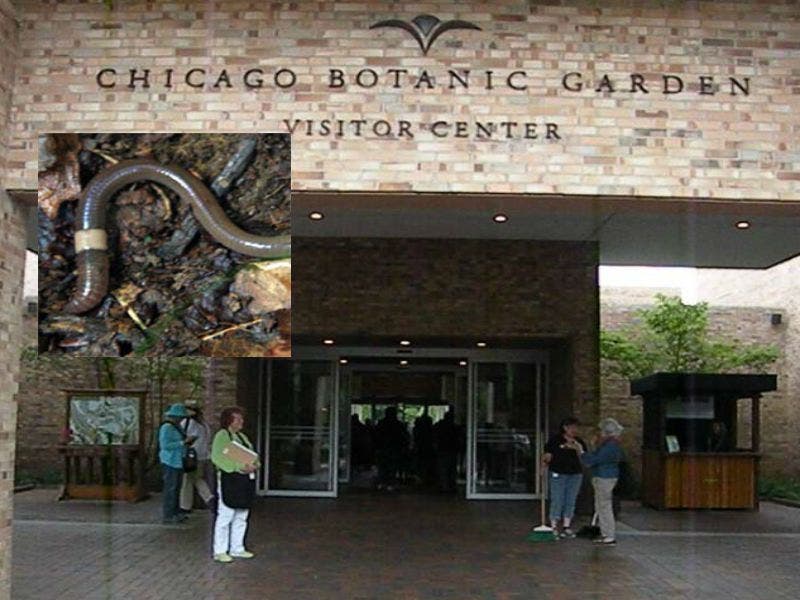
GLENCOE, IL - Garden lovers throughout Chicagoland are taking note of unwanted guests who have shown up over the past year.
“Crazy worms” come from Southeast Asia and deplete the soil of nutrients. They have been common on the East Coast, but were first found in the Chicago area a year ago and have now established a solid presence.
Tom Tiddens, the supervisor of plant health care at the Chicago Botanic Garden in Glencoe, told CBS-Chicago he recently dug up several near a waterfall at the garden. The worms aren’t like the common ones seen in this area that allow other lifeforms to co-habitat.
Find out what's happening in Winnetka-Glencoefor free with the latest updates from Patch.
“What is concerning is all of a sudden they’ve made a leap into the Great Lakes area,” Tiddens said. “Worms have a positive effect, but (a “crazy worm”) is just so much different than our normal worms. He’s to be a little bit feared.”
The worms are also known as “jumping worms” and have been in the Midwest since first they were spotted in Wisconsin in 2013.
Find out what's happening in Winnetka-Glencoefor free with the latest updates from Patch.
There haven't been any reports of worm sightings in the Chicagoland area outside of the find at the Chicago Botanic Garden.
Laura Ekasetya, a horticulturalist at the Lurie Garden in Chicago's Millennium Park, said there haven't been any sightings of the worm there.
She says the worm could cause damage to the soil structure and have an adverse effect on plants.
“If we found the worm, we would squash it but wouldn’t do anything specifically to retrieve the worm,” said Ekasetya. “It’s important to not move a plant from one side of the garden to the other and possible infect the other side with the soil with the worm.”
If found in a garden, the worm could “make (the soil) looser and more aeration,” she said, noting some plants would not be used to that. It could be particularly detrimental to plants grown in woodland areas.
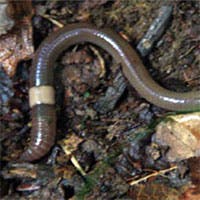
The invasive worm is distinct from others because it moves quickly and has a white segment on it.
REPORT THAT WORM
Contact the Illinois Department of Natural Resources, the Illinois Extension or the Illinois Department of Agriculture if you find one of these worms in your garden.
Photo: Tim Moran / Patch
Get more local news delivered straight to your inbox. Sign up for free Patch newsletters and alerts.