Crime & Safety
Winnetka Man Gets 5 Years For Trading Fraud That Destroyed Firm
The North Shore options trader admitted covering up $14 million in losses and costing 20 people their jobs as he wiped out his former firm.


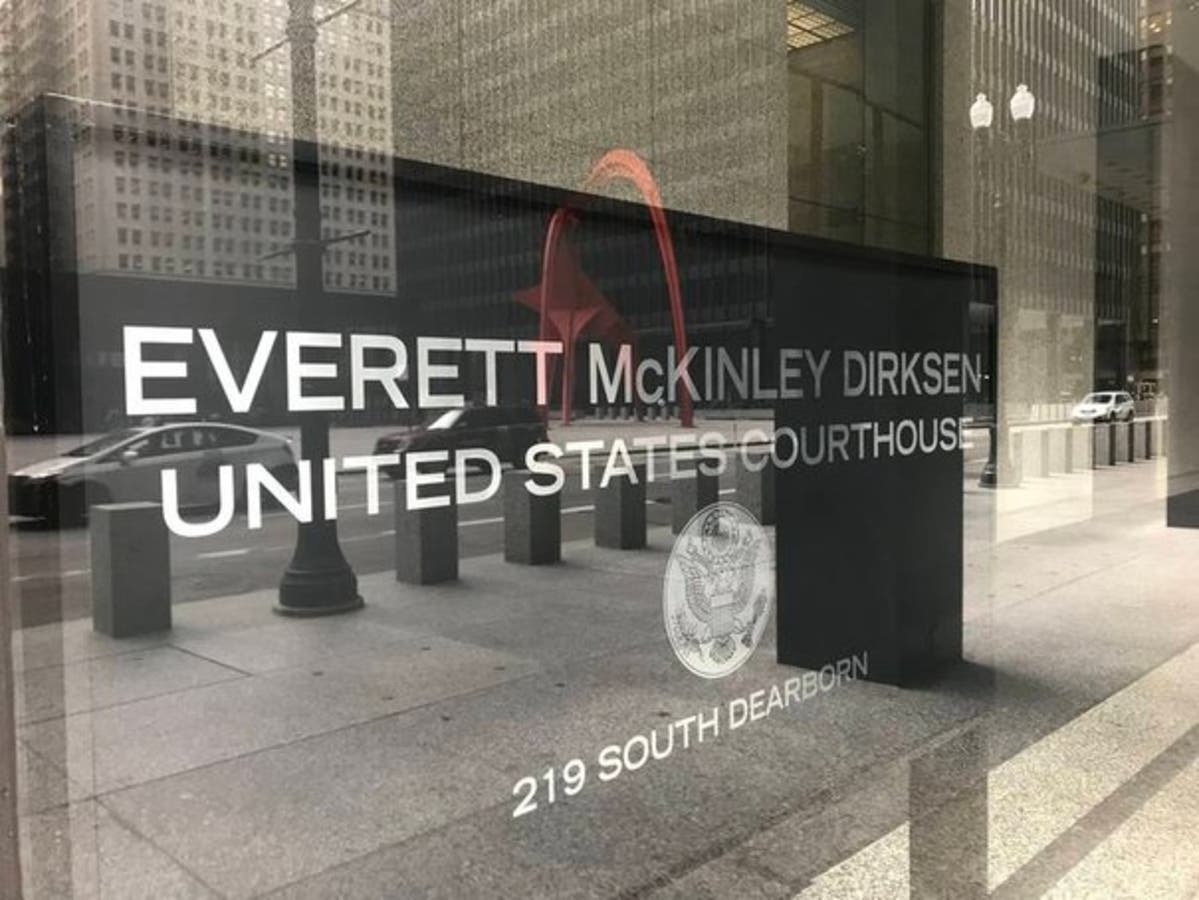
CHICAGO — A Winnetka man was sentenced to five years in federal prison for a fraud scheme that racked up nearly $14 million in losses and wiped out a Northfield-based business. In successfully seeking a term of imprisonment of about half the recommended federal guideline, his attorney argued the former Chicago Board of Trade options trader wound up destroying his firm because he was scared to fail and could no longer keep up with the expenses of his North Shore lifestyle, the Chicago Tribune reported.
Thomas Lindstrom, 50, worked as an trader with the defunct firm Rock Capitol Markets for more than two decades, according to court filings from his lawyers and prosecutors. He earned more than $6 million and developed a close relationship with the company's owner, who said he mentored Lindstrom and described him as extended family.
But during 2014 and 2015, Lindstrom "betrayed long-time friend and boss, using company funds to create phantom profit that allowed Lindstrom to take home $275,000 while his trading destroyed a $14 million business and put 20 employees out of work," according to prosecutors.
Find out what's happening in Winnetka-Glencoefor free with the latest updates from Patch.
Lindstrom has admitted falsely inflating his trading profits by exploiting a Chicago Board of Trade loophole to make worthless U.S. Treasury note options look profitable on the books. His hidden losses were discovered in January 2015, he was indicted on eight counts of commodities and wire fraud in September 2016, pleaded guilty to one count of wire fraud in January 2018 and agreed in October 2018 to pay more than $14.8 million in restitution and penalties.
The sentencing was the "last chapter in the nightmare that has haunted him for the past nearly five years," wrote one of his attorneys in a request for a sentence far shorter than federal guidelines suggest.
Find out what's happening in Winnetka-Glencoefor free with the latest updates from Patch.
Lindstrom choked back tears as he apologized for his fraud, telling a judge he "couldn't summon the courage to stop my awful conduct," the Chicago Tribune reported.
Once the fraud was uncovered, the firm was dissolved and about 20 employees lost jobs. In a letter to the judge, Rock Capital's owner said Lindstrom cost the firm far more than the stated loss loss of $13.8 million. He also wiped out out $10 million to $15 million in value and forced his mentor to cover another $1.4 million in liquidating stocks and hundreds of thousands of dollars in attorneys as part of the investigation.
"He was given every opportunity possible. This is partly why his crime is so hard to understand. The fraud hurt everyone at Rock financially and psychologically," according to the firm's former boss. "Several people required counselling and therapy to try to repair the betrayal they felt and the sense of trust that had been destroyed."
The owner said he and many of the those who found themselves unemployed as as result of Lindstrom's fraud had trouble finding new positions, with few employers willing to take a chance despite the firm's track record as its "previously excellent reputation was tarnished" and had become an obstacle.
As Lindstrom's losses mounted and he kept buying ever more money-losing positions between June 2014 and January 2015, he withdrew $285,000 in compensation based on profits he had falsely reported, according to financial records presented by federal prosecutors. But his lawyers argued there was no greed involved, with the money used for routine bills accrued by Lindstrom, his attorney wife and their kids.
"Contrary to the government's assertion, Lindstrom's draws were not tied to an 'extravagant lifestyle,'" his lawyers argued. "They were tied, rather, to tax time, tuition time and the realities of raising and educating four children."
The single count that Lindstrom had admitted in last years negotiated guilty plea carried a maximum prison sentence of 20 years in prison and a fine of twice the amount he cost the firm.
Prosecutors had asked for a sentence of about eight to 10 years due to advisory guidelines intended to reduce sentencing disparities across the country.
In a request for a sentence significantly below federal sentencing guidelines, Lindstrom's attorney said "some have expressed surprise that the case was prosecuted criminally."
More than 80 letters were submitted to the judge on his behalf, as his attorneys argued there was no "specific or general deterrent reason to sentence Lindstrom to anything close to a guideline sentence."
In one of the letters, Loyola President Rev. Patrick McGrath said Lindstrom had made a "positive impact in the lives of who many including his children, his parish, his alma mater and his neighbors," describing him as an "encouraging coach and an energetic volunteer for parish fundraisers," according to his attorney.
Prosecutors said the guideline was undoubtedly high but Lindstrom's was not an ordinary case.
"Seldom do we see a fraudulent scheme that destroys an entire business and causes $14 million in losses," they argued. "This is a serious case that warrants a serious sentence."
Before sentencing him to close to half of the statutory recommendations, Judge Leinenweber said he believed the sentencing guidelines were too harsh, according to the Tribune. Lindstrom is due to report to prison on April 30 and will have to serve two years of supervised release following his sentence.
Earlier: Winnetka Trader Admits Bringing Down Company With Fraud Scheme
Get more local news delivered straight to your inbox. Sign up for free Patch newsletters and alerts.