Community Corner
Capital Gazette Shooter's Mistreatment Of Cat Could Affect Trial
Capital Gazette gunman Jarrod Ramos is believed to have starved his cat, which experts say could play a role in his insanity defense.


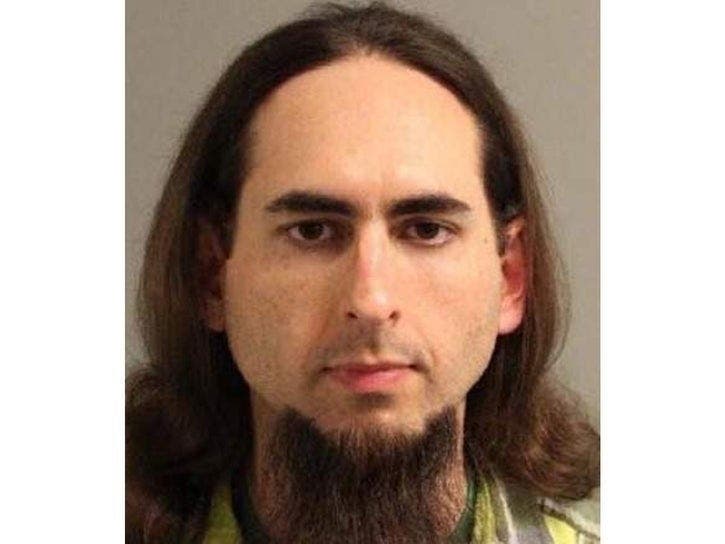
ANNAPOLIS, MD — Capital Gazette shooter Jarrod Ramos reportedly starved his cat to death, but the veterinary staff believed he didn't realize what he was doing, authorities said. Ramos' actions toward his pet may come into play during his trial, in which he's facing murder charges in the June 28, 2018, deaths of Capital Gazette employees Gerald Fischman, Rob Hiaasen, John McNamara, Rebecca Smith and Wendi Winters.
Documents unsealed after the Capital Gazette shooter pleaded guilty to the deadly shootings show that not long before the shooting, the 39-year-old Ramos took his ailing cat to Rocky Gorge Animal Hospital in Laurel for treatment. Veterinary staff determined that the cat was starving, and Ramos had it euthanized.
Ramos admitted to veterinary staff that he had chosen not to feed the cat, the Baltimore Sun reported, but a veterinary technician thought that Ramos didn't understand that not feeding the cat would eventually lead to its death. Ramos has asked a jury to determine at a trial in March whether he was insane when he plotted and carried out the Capital Gazette attack.
Find out what's happening in Annapolisfor free with the latest updates from Patch.
“Mr. Ramos made remarks to the technicians at the animal hospital that the cat wasn’t eating and that he wasn’t feeding it,” prosecutors wrote in court papers. “In the lay opinion of one of the veterinary technicians, Mr. Ramos did not seem to connect the idea of his not feeding the cat with the cat’s starvation.”
The Baltimore Sun spoke with three forensic psychiatrists not part of the trial who said that evidence of animal neglect would lead them to investigate further Ramos' state of mind before and during the attack. The information could indicate mental health issues, they said.
Find out what's happening in Annapolisfor free with the latest updates from Patch.
Dr. Annette Hanson, director of the forensic psychiatry fellowship at the University of Maryland School of Medicine, told the Baltimore Sun that it would be important to know how a defendant who neglected a pet handled personal relationships, performed at work and conducted other daily functions. Dr. Brian Zimnitsky, a forensic psychiatrist based in Annapolis, said all peculiar behavior would need a thorough insanity evaluation.
“For instance, if somebody was usually taking care of their property and all of the sudden there were a lot of reports that everything was looking horrible on their property or where they live,” Zimnitsky said.
Ramos pleaded not criminally responsible, which is Maryland’s version of the insanity plea, and asked for the trial to be split into two parts, with the first trial designed to determine whether he committed the crime. If he was convicted, there would be a second trial to determine whether he was sane when he forced his way into the newspaper's office building and killed the five staffers. Ramos pleaded guilty in late October, which removed the need for the first phase. Legal experts told the Baltimore Sun that such a move was intended to prevent the jury from seeing disturbing evidence and hearing emotional testimony that would've carried over to the second trial heard by the same jury.
Doctors with the Maryland Department of Health determined Ramos to be sane. His mental health evaluation was ordered by Circuit Court Judge Laura Ripken. An expert hired by Ramos’ attorneys said that after evaluating him, she believed he was not criminally responsible. But a doctor prosecutors hired, who has not been granted the opportunity to interview Ramos, conferred with the health department doctors and agreed with their assessment.
Get more local news delivered straight to your inbox. Sign up for free Patch newsletters and alerts.