Crime & Safety
Distracted Engineer Faulted in Amtrak Crash That Killed Midshipman
The National Transportation Safety Board faults an engineer who increased speed in last year's fatal derailment of Amtrak train 188.




WASHINGTON, DC — The engineer of an Amtrak train en route from Washington, DC, to New York was distracted by radio communication just before the train derailed in Philadelphia last May, killing eight people, including a Naval Academy midshipman, authorities said Tuesday.
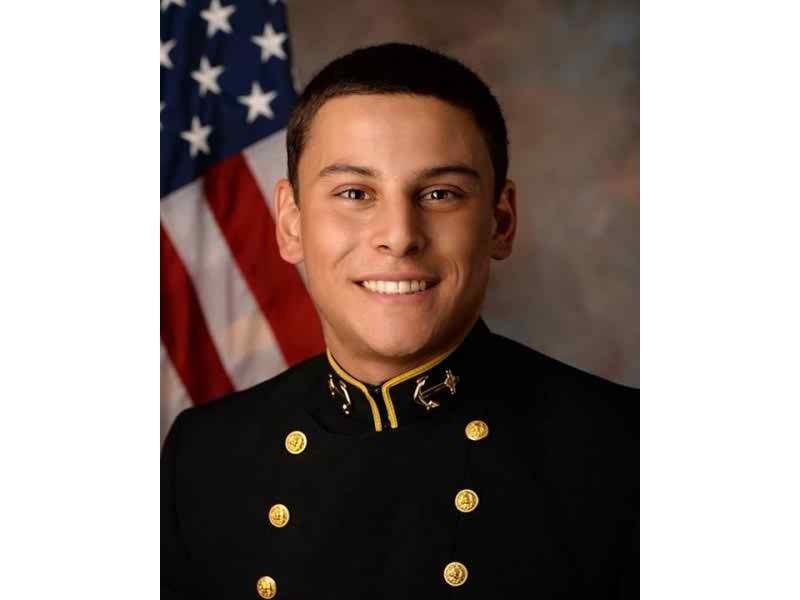
Among the passengers who died was a sophomore from the U.S. Naval Academy, Justin Zemser, 20, of Rockaway Beach, NY. He was returning home on leave from the U.S. Naval Academy at the time of the crash. He was an only child.
Investigators with the National Transportation Safety Board believe Brandon Bostian was distracted by reports that a nearby SEPTA train had been struck by debris. Bostian was concerned there were SEPTA workers on the track near the disabled train and worried for the safety of the SEPTA train and its passengers, the NTSB said during a meeting just days after the one-year anniversary of the May 12, 2015, crash.
Find out what's happening in Annapolisfor free with the latest updates from Patch.
Investigators say Bostian, who was highly regarded by his coworkers and had no past blemishes on his safety record, lost "situational awareness," causing him to believe Amtrak Train 188 was at a different curve in the track.
>>Subscribe to a free email newsletter: ANNAPOLIS
Find out what's happening in Annapolisfor free with the latest updates from Patch.
Honored to place wreath for Midshipman Justin Zemser...@USNavy man like me. @USNaval_Academy #amtrak188 pic.twitter.com/xq607RyJaY
— Robert Corrigan (@PFDDepCommish) May 13, 2016
Naval Academy Remembers Justin Zemser
Classmates and football team members recalled Zemser as a smart student with goals to one day become an elite Navy Seal, a selfless man with energy who urged others to “enjoy this incredible life.”
The English major and academic honor student was a wide receiver for the Navy Sprint football team, the Jewish Midshipman Club and the Semper Fi Society.
SEE ALSO: ‘Greatest Man We Have Ever Known’ Midshipman Called by Teammates
Remember @NavalAcademy Mid Justin Zemser today. Around this time last year he lost his life in the @Amtrak derailment. He was family. #usna
— John Schofield (@schofkid) May 13, 2016
Shortly after passing the disabled SEPTA train that had reported the debris and traveling around a curve, the Amtrak train was going 65 miles per hour, the NTSB reported. Bostian then applied full throttle and held it at its high position for about 40 seconds, increasing the train's speed to 106 miles per hour, investigators found.
"Given that the maximum authorized speed was 80 miles per hour, this maneuver was not an appropriate action at this location. However, this maneuver would have been appropriate after the curve just past the derailment site," the NTSB said during the presentation.
The darkness likely contributed to Bostian's confusion about where he was. Investigators say Bostian had no medical issues that caused a lapse in consciousness. Extensive toxicology testing also came up negative.
Bostian was not using his cell phone in the moments leading up to the derailment, the NTSB has said. Officials there have analyzed his cell phone calls, texts and data usage from tower records and information from the train’s WiFi system.
Authorities believe the crash would have been prevented by Positive Train Control technology, which is now in place along the Northeast Corridor. Positive Train Control controls train speed via GPS, wireless radio and other technology.
The NTSB says if Positive Train Control was in place on the night of the crash, it would have stopped the train altogether if the engineer had not responded to its commands to reduce the train's speed.
The NTSB meeting is still in session. You can view the meeting webcast at the following link.
The crash happened shortly before 9:30 p.m. on May 12, 2015, in the Frankford Junction section of the city. In addition to the eight deaths, 200 people were injured after the train fell off the track after a curve.
Investigators from the NTSB say the train was traveling 106 mph when it went into the Port Richmond turn, which has a 50 mph speed limit.
The engineer has said in interviews with investigators that he doesn’t remember the immediate moments leading up to the crash.
The documents can be found here.
UPDATE: ‘This Is It, I’m Going Over’: Engineer Recalls Moments Before Amtrak Derailment
Crash background, provided previously by NTSB investigators:
Bostian has said in interviews with investigators that he doesn’t remember the immediate moments leading up to the crash. However, in an interview six months later, Bostian recalled additional “dream-like” details of the crash but could not positively say if his recollections were in fact accurate.
“There’s several gaps in my memory as I approached the accident curve. And I couldn’t say with certainty that my memory is accurate,” Bostian told investigators on Nov. 10.
Other people who were interviewed during the investigation report that Bostian radioed to report the train was being targeted by what he believed was rocks or gunfire. The train derailed moments after that radio communication.
The FBI, which was asked to investigate damage to the left portion of the train’s windshield, found no evidence the train was shot at by a firearm before it accelerated ahead of the curve.
The crash caused more than $9 million in damage, officials estimate.
»PHOTO of accident scene courtesy of NTSB; Justin Zemser photo from Naval Academy; wreath in Zemser’s honor from Philadelphia Fire Department
—Includes reporting by Patch Editor Kara Seymour
Get more local news delivered straight to your inbox. Sign up for free Patch newsletters and alerts.