Traffic & Transit
Drowsy Driving Crashes 8 Times Higher Than Estimated: AAA Study
Driving while drowsy is linked to nearly 10 percent of crashes, a AAA study says, but Maryland police rarely know if that caused a crash.


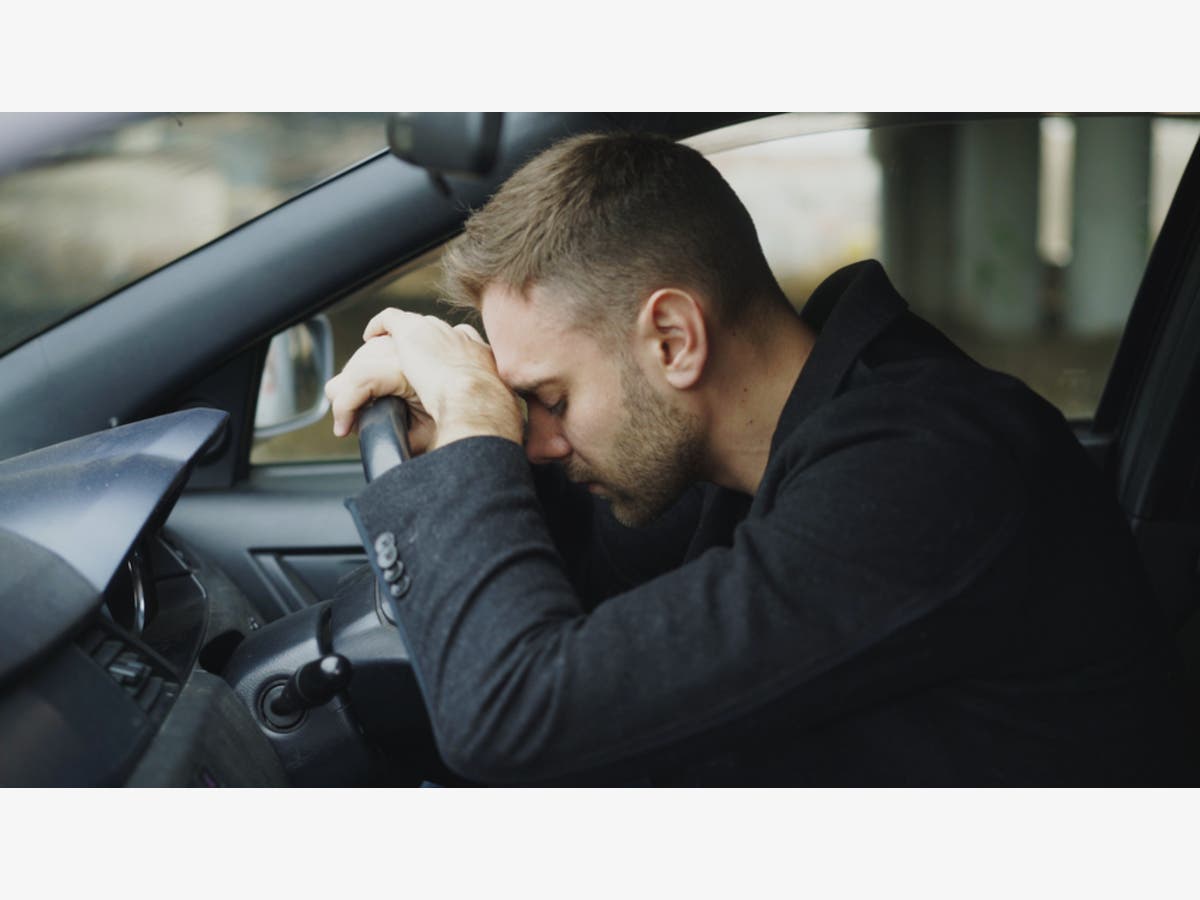
WASHINGTON, DC — After decades of public awareness campaigns, most people know the dangers of drinking and driving, but drivers and police may have underestimated how often it impairs drivers, leading to accidents. The most in-depth drowsy driving research ever conducted in the U.S. using footage of everyday drivers found that the percentage of crashes involving drowsiness is nearly eight times higher than federal estimates indicate, according to the AAA Foundation for Traffic Safety.
The difficulty in detecting drowsiness following a crash makes drowsy driving one of the most underreported traffic safety issues. The new research provides an unprecedented analysis of in-vehicle dashcam video from more than 700 crashes, confirming that the danger of drowsy driving soars above official estimates, according to a news release from AAA Mid-Atlantic.
"Drowsy driving is a bigger traffic safety issue than federal estimates show," said Dr. David Yang, executive director for the AAA Foundation for Traffic Safety. "Drivers who don't get enough sleep are putting everyone on the road at risk. By conducting an in-depth analysis using video of everyday drivers, we can now better assess if a driver was fatigued in the moments leading up to a crash."
Find out what's happening in Annapolisfor free with the latest updates from Patch.
In the study, researchers examined video of drivers’ faces in the three minutes leading up to a crash. Using a scientific measure linking the percentage of time a person’s eyes are closed to their level of drowsiness, the researchers determined that 9.5 percent of all crashes and 10.8 percent of crashes resulting in significant property damage involved drowsiness. Federal estimates indicate drowsiness is a factor in only one to two percent of crashes.
Whether a drowsy driver caused a crash is difficult for an officer to determine at the scene and would largely rely on the driver telling police if they were feeling drowsy or falling asleep, said Anne Arundel County Police spokesman Marc Limansky. A witness account that the driver was "nodding off," which could also be due to an impairment, would be listed in a police report under impairment for a condition at the time of the crash.
Find out what's happening in Annapolisfor free with the latest updates from Patch.
Limansky told Patch that he didn't recall any fatal crashes being attributed to drowsiness.
The Centers for Disease Control and Prevention says that 35 percent of U.S. drivers sleep less than the recommended minimum of seven hours daily. In a recent related AAA Foundation survey, nearly all drivers (96 percent) say they view drowsy driving as a serious threat to their safety and a completely unacceptable behavior. However, 29 percent admitted to driving when they were so tired they had a hard time keeping their eyes open at some point in the past month.
“Unfortunately, many drivers overestimate their ability to overcome fatigue and sleep deprivation and have adopted the 'I'm tired, but I can make it’ mentality, often to their own peril or the risk of their passengers or other road users,” said Ragina Cooper Averella, manager of public and government affairs at AAA Mid-Atlantic. “Missing just two to three hours of sleep can more than quadruple your risk for a crash, which is the equivalent of driving drunk.”
Drowsy crashes are so prevalent because Americans, by and large, are sleep-deprived. According to the Centers for Disease Control and Prevention, t 35 percent of U.S. drivers sleep less than the recommended minimum of seven hours a day. About 29 percent of drivers admitted to the AAA Foundation that within the last month they drove when they were so tired they had a hard time keeping their eyes open.
There are warning signs of dangerously drowsy driving:
- Having trouble keeping your eyes open
- Drifting from your lane
- Not remembering the last few miles driven
“Short-term tactics like drinking coffee, blasting the radio, singing, rolling down the window will not cure drowsiness,” Averella said. “Your body’s need for sleep will eventually override your brain’s attempts to stay awake, so the only antidote for drowsiness is sleep.”
AAA recommends that drivers:
- Travel at times of the day when they are normally awake
- Avoid heavy foods
- Avoid medications that cause drowsiness or other impairment
For longer trips, drivers should:
- Schedule a break every two hours or every 100 miles
- Travel with an alert passenger and take turns driving
- Do not underestimate the power of a quick nap. Pulling into a rest stop and taking a quick catnap — at least 20 minutes and no more than 30 minutes of sleep — can help to keep you alert on the road.
AAA and the AAA Foundation developed the free online tool Roadwise Rx to help drivers determine if their medications may cause drowsiness and information about how the interactions between prescription, over-the-counter medicines and herbal supplements can affect driver safety.
Image via silverkblackstock/Shutterstock
Get more local news delivered straight to your inbox. Sign up for free Patch newsletters and alerts.