Community Corner
Hungry Black Bears Emerging From Hibernation In Maryland
Black bears are waking up from hibernation and they're hungry, the Maryland DNR says. How you can co-exist peacefully with bears.


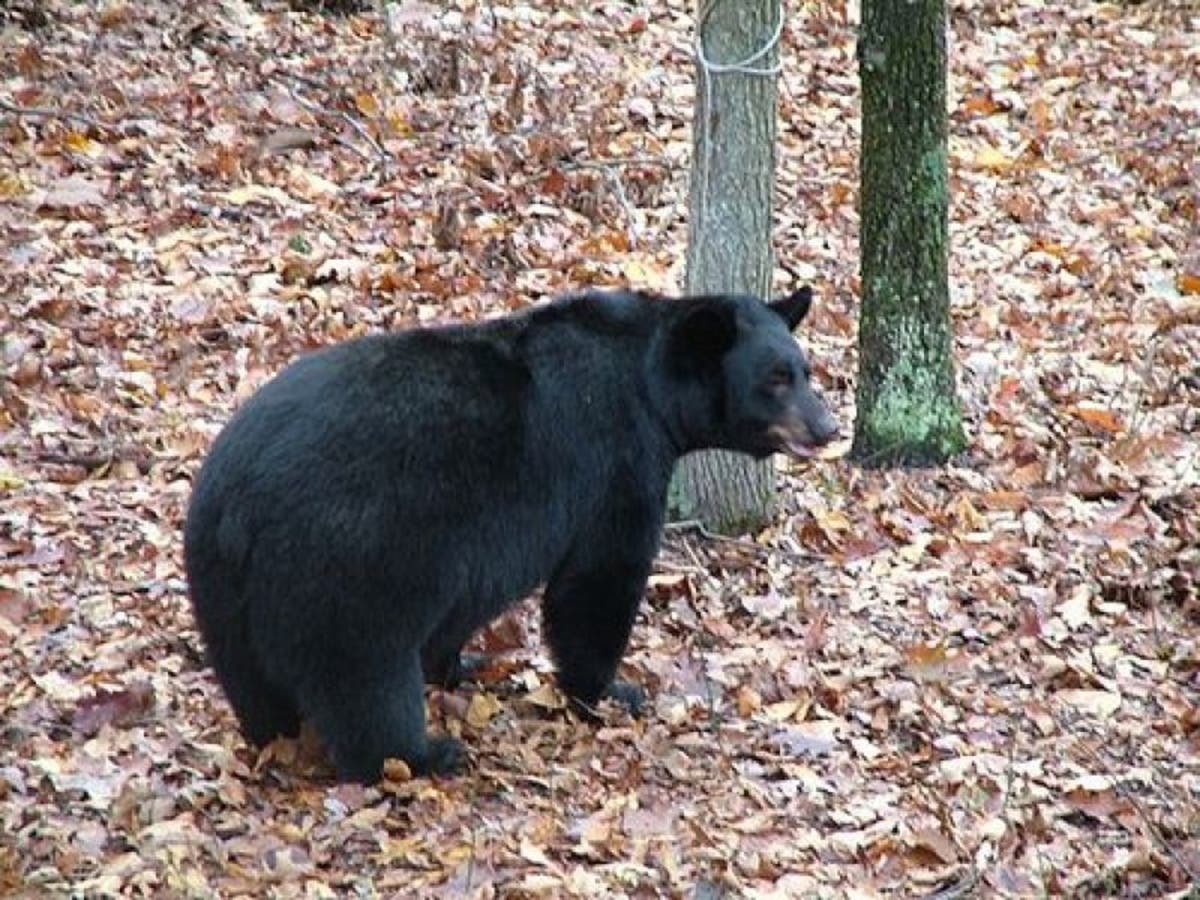
ANNAPOLIS, MD — They've been snoozing for months, but Maryland's black bears are emerging from their dens to search for food sources, which can draw them toward homes and sources of food left by residents not on guard against "hangry" four-legged visitors. Natural food sources for bears — such as plants, berries and insects — are in short supply so far, so bears are looking for anything that smells like food, warn Maryland Department of Natural Resources officials.
The agency reminded residents Monday in the state's bear country to be proactive and exercise good judgment to avoid contact. Bears are most common in Maryland's four westernmost counties – Allegany, Frederick, Garrett and Washington. They typically make dens in wooded areas. Later in the spring and summer, year-old male bears tend to wander into populous areas looking for a chance to establish their territory.
Natural food sources for bears, such as berries, insects and plants, are still in short supply in early spring, experts said, so bears may be attracted to artificial and human-generated food sources. The Maryland Department of Natural Resources urges residents to remove all potential bear attractants.
Find out what's happening in Annapolisfor free with the latest updates from Patch.
To keep bears away from your house you should:
- Lock garbage in a bear-proof trash container, or keep it inside the house or garage until pickup.
- Rinse trash containers with ammonia to eliminate odors.
- Store cooking grills inside or keep them clean of food residue.
- Take down backyard bird-feeders from April through November ─ birds have plenty of wild food sources during these months.
“Keeping bears wild is a community effort that benefits people as well as our largest native mammals,” Wildlife and Heritage Service Director Paul Peditto said in a news release. “Using care to avoid attracting bears now will help keep them wild and everyone as safe as possible throughout the year.”
Find out what's happening in Annapolisfor free with the latest updates from Patch.
(For more news like this, find your local Patch here. If you have an iPhone, click here to get the free Patch iPhone app; download the free Patch Android app here.)
If you encounter a bear, you should treat it like a stray dog. "Give it plenty of space, don't corner it," Maryland bear biologist Harry Spiker said.
In June 2016, a young black bear looking for a home visited the University of Maryland campus one weekend and was spotted elsewhere in Prince George's and Montgomery counties. The year-old bear spent a month in eastern Maryland, also wandering through Howard County, where it hit a driving range and climbed a tree at the Timbers at Troy golf course in Elkridge.
Authorities believe the same bear was also spotted that week at Route 29 and Industrial Parkway in Silver Spring, then flipped over rocks to find lunch on the FDA campus in White Oak. The roving bear even stopped traffic on Interstate 70 and Route 29.
Black bear sightings in the state are most common in eastern Maryland in June and July. After dispersing, young bears usually settle in places with established bear populations in western Maryland, Pennsylvania, Virginia and West Virginia, according to the Maryland Wildlife and Heritage Service.
People should not feed bears, and if they see them, to give the animals their space and leave them alone. Bears typically shy away from human contact.
Tips to live harmoniously with bears:
- Never feed bears or other wildlife (intentionally or unintentionally). Feeding black bears can seem fascinating and fun, but it is a recipe for disaster. Feeding bears is illegal in Maryland.
- Don't leave bowls of pet food or water outside. If possible, keep all pet food indoors at all times.
- Keep garbage in sturdy, clean containers with tight-fitting lids. (Bear-proof cans are recommended in areas where bear interactions become common.) Secure all trash cans and clean them regularly to minimize strong food odors as much as possible.
- Keep compost that contains food materials in enclosed bins away from your residence.
- Keep bird feeders out of reach. Do not overfill bird feeders, and stop filling them prior to the month of April. (It has been said that "In April, a bird feeder becomes a bear feeder.")
- Keep barbecue grills clean and secure.
- Do not tolerate bears becoming comfortable around your yard – encourage them to leave by making loud noises, etc.
Solving Bear Problems
The Maryland Department of Natural Resources-Wildlife and Heritage Service says residents have a role in reducing conflicts between bears and people in order to avoid unnecessary loss of bears. The best way to avoid bear problems is to take precautions to not attract them in the first place.
The following measures will help prevent problems around the home, farm, business and when outdoors in bear country. If a problem occurs and continues, contact your local Maryland Wildlife and Heritage Service office at one of the numbers listed at the back of this publication.
Never feed bears, the DNR says. They will associate people with food and may become a persistent problem for you and your neighbors. It is illegal to feed bears in Maryland.
Camping and Other Activities
If you encounter a bear while in the outdoors, remain calm. Don't panic; leave the area.
To reduce the chance of experiencing bear problems:
- Move to another campsite if fresh bear signs are present.
- Never keep food in your tent.
- Use canned and dried foods to minimize food odors.
- Store foods out of a bear’s reach, in a vehicle or enclosed building if possible.
- Use airtight or bear-proof containers.
- Burn waste paper in your campfire.
- Do not burn or bury food scraps.
- Remove all garbage and fish remains from camp every night.
If a bear comes into camp:
- Don't feed it. Scare it away.
- Make loud noises, bang pans, yell or use air horns.
It is rare when a bear cannot be chased away. Remember to leave a clear escape route for the bear. Bears may make aggressive sounds or possibly bluff charge when they feel threatened. When a bear bluff charges, it may stop after several yards or just a few feet short of the threat. If a bear shows these behaviors, it is telling you that you are too close.
Spray repellents containing capsaicin (hot pepper liquid) are available to discourage bold bears. These repellents are effective and will not permanently damage the bear’s eyes or make the bear aggressive.
Any bear-related issues or questions can be directed to 301-777-2136. For a bear-related emergency call 410-260-8888.
Find more information on the DNR's website.
»Black bear photo courtesy of the Maryland Department of Natural Resources
Get more local news delivered straight to your inbox. Sign up for free Patch newsletters and alerts.