Health & Fitness
Maryland Has One Of Highest Overdose Death Rates: CDC
Deadly overdoses rose 21.5 percent between 2015 and 2016, and Maryland had one of the biggest increases, the CDC says in a new report.


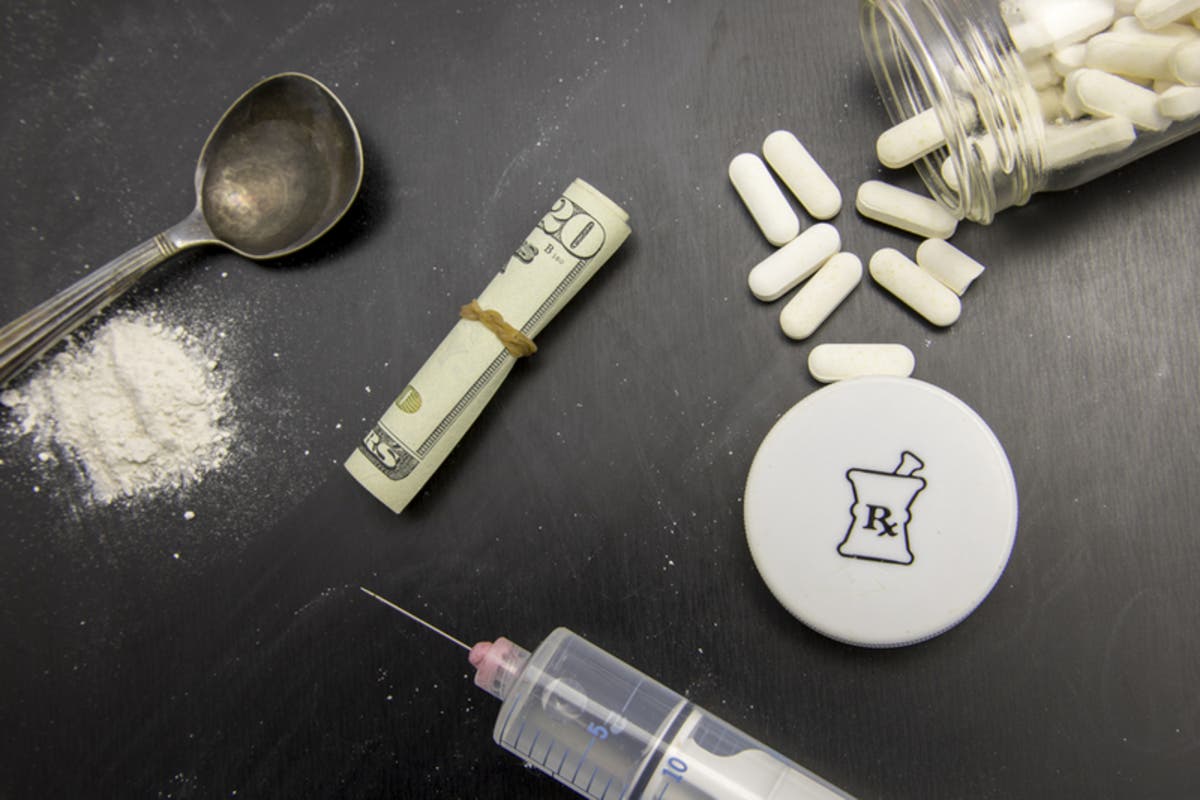
BALTIMORE, MD — An epidemic of drug overdoses is spreading across the nation and among many demographic groups, and opioids are at the heart of the problem. Those are the findings of an in-depth analysis of 2016 drug-overdose data by the Atlanta-based Centers for Disease Control and Prevention that listed Maryland as one of the state's hardest hit by the epidemic.
According to a new CDC report, drug overdoses killed 63,632 Americans in 2016. That represents a 21.5 percent increases in the overall overdose death rate, and nearly two-thirds of those deaths involved a prescription or illicitly taken opioid, the CDC said.
In Maryland, 1,821 people died from an opioid overdose in 2016, an increase of 67.8 percent from the year before, according to the CDC. Out of those deaths, 812 stemmed from prescription opioids, a 50.6 percent jump in 2016 from the previous year.
Find out what's happening in Annapolisfor free with the latest updates from Patch.
Across all types of drugs, overdose deaths were up for both men and women, people ages 15 and older, all races and ethnicities and in urban, suburban and rural areas, according to the report. But it's opioids like fentanyl that are driving the uptick, doctors say.
(For more news like this, find your local Patch here. If you have an iPhone, click here to get the free Patch iPhone app; download the free Patch Android app here.)
Find out what's happening in Annapolisfor free with the latest updates from Patch.
"No area of the United States is exempt from this epidemic — we all know a friend, family member, or loved one devastated by opioids," said CDC Principal Deputy Director Dr. Anne Schuchat. "All branches of the federal government are working together to reduce the availability of illicit drugs, prevent deaths from overdoses, treat people with substance-use disorders, and prevent people from starting using drugs in the first place."
The results were published as part of the CDC's most recent weekly Morbidity and Mortality Weekly report.
The analysis looked at 2015-16 overdose deaths in 31 states and Washington D.C. The largest increase in opioid death rates was among men between 25-44. The death rate from synthetic opioids more than doubled, likely driven by fentanyl, the CDC said.
Maryland heroin deaths tallied 650 in 2016, the agency said, while 1,091 deaths were caused by synthetic opioids other than methadone, for a 206.9 percent increase in one year.
Related Articles:
- 100 Suspected Heroin Overdoses In Harford County: Sheriff
- Suspected Heroin Trafficker Indicted After Harford Probe
- Opioid Deaths Up 37 Percent From Last Year's Pace In Anne Arundel
- To Combat Heroin, Harford Sheriff Unveils H.O.P.E. House
- Fentanyl Killing More Marylanders Than Heroin: New Overdose Stats
- Anne Arundel First MD County To Sue Doctors, Opioid Makers
- PG County Suing The Entire Opioid Industry
Prescription opioid deaths were up 10.6 percent and heroin-related deaths were up 19.5 percent nationally. Death rates from opioids increased in 21 of the states that were studied, with rates doubling in 10 of them between 2015 and 2016.
New Hampshire, West Virginia and Massachusetts had the highest death rates from synthetic opioids. Fourteen states saw significant increases in heroin deaths, with Washington D.C., West Virginia and Ohio at the top of the list.
Eight states — led by West Virginia, Maryland, Maine and Utah — had significant increases in prescription opioid deaths. Meanwhile, 16 states had significant increases in deaths involving cocaine and 14 had significant increases in deaths involving psychostimulants, which are sometimes mixed with opioids, the CDC said.
Where to Get Help in Maryland
Maryland residents who need help finding substance abuse treatment resources should visit the Department of Health website for links to substance abuse treatment facilities. Or call the Maryland Crisis Hotline, which provides 24/7 support, at 1-800-422-0009. Marylanders grappling with a substance use disorder can find help at BeforeItsTooLateMD.org.
If you know of someone who could use treatment for substance abuse, treatment facilities can be located by location and program characteristics online.
Signs of Overdose:
- Person is not responsive.
- Fingertips or lips turn blue or grey.
- Breathing is slow, shallow or has stopped.
- Person is gurgling or making snoring noises.
What can you do if you see an opioid overdose?
- Call 911.
- If you have naloxone, give the person naloxone and perform rescue breathing.
- If no response after 2-3 minutes, give a second dose of naloxone.
- Do not leave the person alone. Help will arrive.
- If the person starts to breathe or becomes more alert, lay the person in the recovery position; put the person slightly on the left side so that their body is supported by a bent knee with their face turned to the side and bottom arm reaching out to stabilize the position.
Remember the Good Samaritan Law – save a life!
- If you provide help or assist a person experiencing a medical emergency due to alcohol or drugs, you are criminally IMMUNE from being charged, arrested and prosecuted from certain crimes. (Ann. Code Md. CR §1-210)
- The police and the courts believe that saving a life is more important than a charge or an arrest.
How can I lower my risk of overdose?
- Carry naloxone with you at all times and inform others where it is.
- If you haven't used in a while, start slowly. You are at a high risk for overdose after leaving jail, prison or the hospital or after coming out of treatment.
- Avoid mixing substances.
- Be aware that drugs vary widely in purity and strength.
- Don't use alone. If you must use alone, let people know where you are, and never the lock the door.
- Check up on each other.
- Seek treatment.
Public Health, Safety Response
According to the CDC, the new report highlights the need for public health and law-enforcement agencies to work together to prevent overdose deaths.
"Effective, synchronized programs to prevent drug overdoses will require coordination of law enforcement, first responders, mental health-substance-abuse providers, public health agencies, and community partners," said Dr. Puja Seth, the report's lead author.
The federal agency's goals include:
- Protect people with opioid use disorder by expanding treatmentcapacity and naloxone distribution.
- Improve coordination among law enforcement and public-health agencies to reduce and improve detection of the illicit opioid supply.
- Improve opioid prescribing to reduce unnecessary exposure to opioids and prevent addiction by training providers and implementing CDC's Guideline for Prescribing Opioids for Chronic Pain.
- Support programs that reduce the harms of injecting opioids, including programs offering screening for HIV and hepatitis B and C in combination with referral to treatment.
- Improve coordination among law enforcement and public-health agencies to reduce and improve detection of the illicit opioid supply.
- Improve access to and use of prescription drug monitoring programs.
The CDC's Overdose Prevention in States initiatives include funding for state-level public health efforts in 45 states and Washington, D.C.. The agency helps equip states with resources to prevent opioid misuse and overdose by tracking and monitoring the epidemic, helping scale up effective programs, and equipping health care providers with tools and guidance needed to make informed clinical decisions.
In March 2016, CDC released its Guideline for Prescribing Opioids for Chronic Pain to provide new recommendations to doctors considering prescribing opioids, which are used to battle intense pain.
Image via Shutterstock
Get more local news delivered straight to your inbox. Sign up for free Patch newsletters and alerts.