Weather
MD Weather Forecast: It Gets Colder Then Icy Then 50s
Can it get colder than this? Just wait until tonight, then Maryland faces a day of sleet and ice before the weather improves.


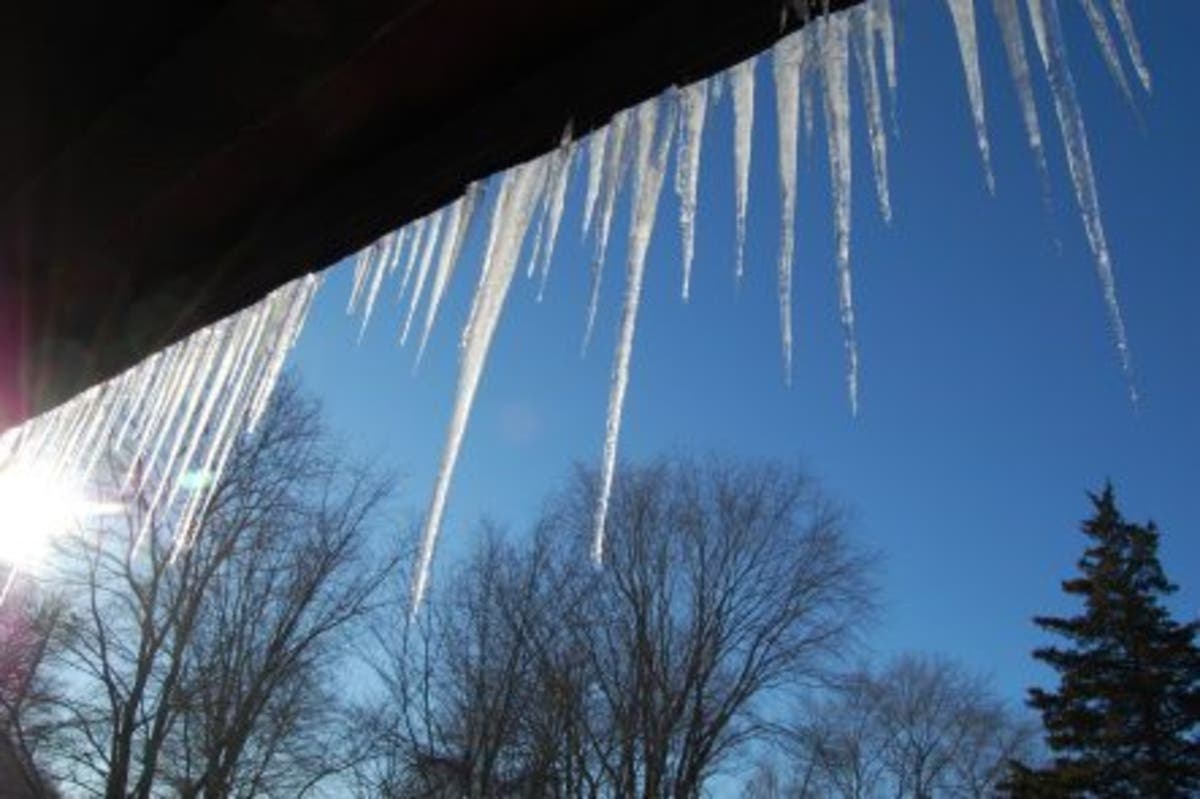
BALTIMORE, MD — If you have cabin fever, get out of the house Saturday afternoon in between wind chill advisories, you know, those periods when your skin can freeze while you're outdoors. Until noon Saturday the temperature, combined with winds, will make it fill like zero degrees to 10 degrees below zero, says the National Weather Service. By Monday, Maryland will creep closer to freezing, but brings a chance for sleet and ice throughout the day, which will make travel treacherous if it materializes.
The bright spot in the forecast is a week out. By Friday, Jan. 12, the forecast calls for highs in the mid-50s. So we just have to hang on for a few days. But first there are two rounds of wind chill advisories to shiver through. Much of the Baltimore-Washington area is under a wind chill advisory until noon Saturday, then another advisory kicks in at 6 p.m. Saturday and runs through 6 a.m. Sunday.
A Wind Chill Advisory means that cold air and the wind will combine to create low wind chills. Frostbite and hypothermia can occur if precautions are not taken. Make sure you wear a hat and gloves, the weather service says.
Find out what's happening in Annapolisfor free with the latest updates from Patch.
Areas that are part of the advisory include the District of Columbia, plus Baltimore, Prince George's, Anne Arundel, Charles, St. Marys, Calvert, Montgomery, Howard, and Harford counties.
Then Monday looks very messy. There is a 50 percent chance of rain, freezing rain, and sleet between noon and 3 p.m., then a chance of rain or freezing rain after 3 p.m. through midnight. Skies will be mostly cloudy with a high near 35. Monday night the low will be around 32.
Find out what's happening in Annapolisfor free with the latest updates from Patch.
Authorities encourage residents to use caution during extremely cold temperatures. Whether inside or outside, cold weather can be dangerous to those who are not prepared to properly handle it. Advanced hypothermia (decreased core body temperature) can be accompanied by stiffness, excessive shivering, confusion, slurred speech, numbness or a weak pulse. Watch for changes in levels of consciousness and motor coordination, indicated by stumbles, mumbles, fumbles, and grumbles.
Symptoms of frostbite (skin damage due to cold temperatures) include gradual numbness, pale or purple skin, hard (wooden) skin, or tingling or burning in the impacted area. Call 9-1-1 if you or someone you know may be suffering from hypothermia or frostbite.
Children, older adults, and individuals with poor circulatory systems are at particular risk for hypothermia or frostbite. The Department of Health offers these tips to help cope with winter conditions when outside:
- Layer your clothing to have more flexibility and control over how warm you stay. Avoid cotton clothing for winter activities.
- Prepare for the unexpected. Most hypothermia cases occur due to an unexpected change in the weather or temperature.
- Wear a warm hat; up to 50 percent of body heat is lost through the head.
- Avoid getting wet when the temperature dips.
- Wear waterproof boots or shoes to keep your feet dry.
- Drink plenty of water. Avoid nicotine, caffeine, and alcohol.
PETA has tips for pet owners and folks who want to help wildlife whether the bitter cold spell.
- Take animals inside. Puppies and kittens, elderly animals, small animals, and dogs with short hair, including pointers, beagles, pit bulls, Rottweilers, and Dobermans, are particularly susceptible to the elements. Short-haired animals will also benefit from warm sweaters or coats.
- Don’t allow your cat or dog to roam freely outdoors. In cold weather, cats sometimes climb under the hoods of cars to be near warm engines and are badly injured or killed when the car is started. (To help prevent this, bang loudly on the hood of your car before starting the engine.) Animals can also become disoriented when there is snow or ice on the ground.
- Increase animals’ food rations in cold weather. In cold weather, animals burn more calories to keep warm. Also, be sure that animals are free of internal parasites, which can rob them of vital nutrients.
- Keep an eye out for strays. Take unidentified animals inside until you can find their guardians, or take them to an animal shelter. If strays are wild or unapproachable, provide food, water, and shelter (stray cats will appreciate a small doghouse filled with warm bedding), and call your local humane society for assistance in trapping them and getting them indoors.
- Clean off your dogs’ or cats’ legs, feet, and stomachs after they come in from the snow. Salt and other chemicals can make animals sick if they are ingested while the animals are cleaning themselves.
- When you see dogs left outdoors, provide them with proper shelter. Doghouses should be made of wood (metal is a poor insulator) and positioned in a sunny location during cold weather. Raise the house several inches off the ground, and put a flap over the door to keep out cold drafts. Use straw for bedding (rugs and blankets can get wet and freeze).
- Buy nontoxic antifreeze made with propylene glycol instead of ethylene glycol, which can kill animals even in small doses. Safe brands include Sierra and Prestone Lowtox. Animals are attracted to antifreeze for its sweetness, so clean up spills quickly, and buy brands with the bittering agent denatonium benzoate.
- Provide a source of water for wildlife, who may have a difficult time finding drinking water during winter months. Break the ice at least twice a day.
Photo by Patch Editor Kara Seymour
Get more local news delivered straight to your inbox. Sign up for free Patch newsletters and alerts.