Community Corner
Quiet Waters: Before It Was a Park
Residents share memories of the most beloved "patch" in Greater Annapolis.


Like a lot of Annapolis residents, Judy Buser Taylor has fond memories of Quiet Waters Park. For 25 years, it was her backyard.
Taylor, whose father served as a caretaker for a family who owned some of the land that became Quiet Waters Park, is one of a few people who called the land home before it was open to all. As the community prepares to celebrate the park's 20th anniversary this weekend, Taylor remembers a childhood spent riding horses through its trails and pastures.
We had "huge barns that were incredibly beautiful," Taylor says. The Blue Heron Center now occupies the site of those barns and stables that housed horses and mules.
Although Quiet Waters — the melodic name conjures images of tranquility and soft breezes rippling the waters of Harness Creek and the South River — has been a county park since 1990, the land has a rich history as a farm and the "backyard" of a few former residents whose relatives once managed the land.
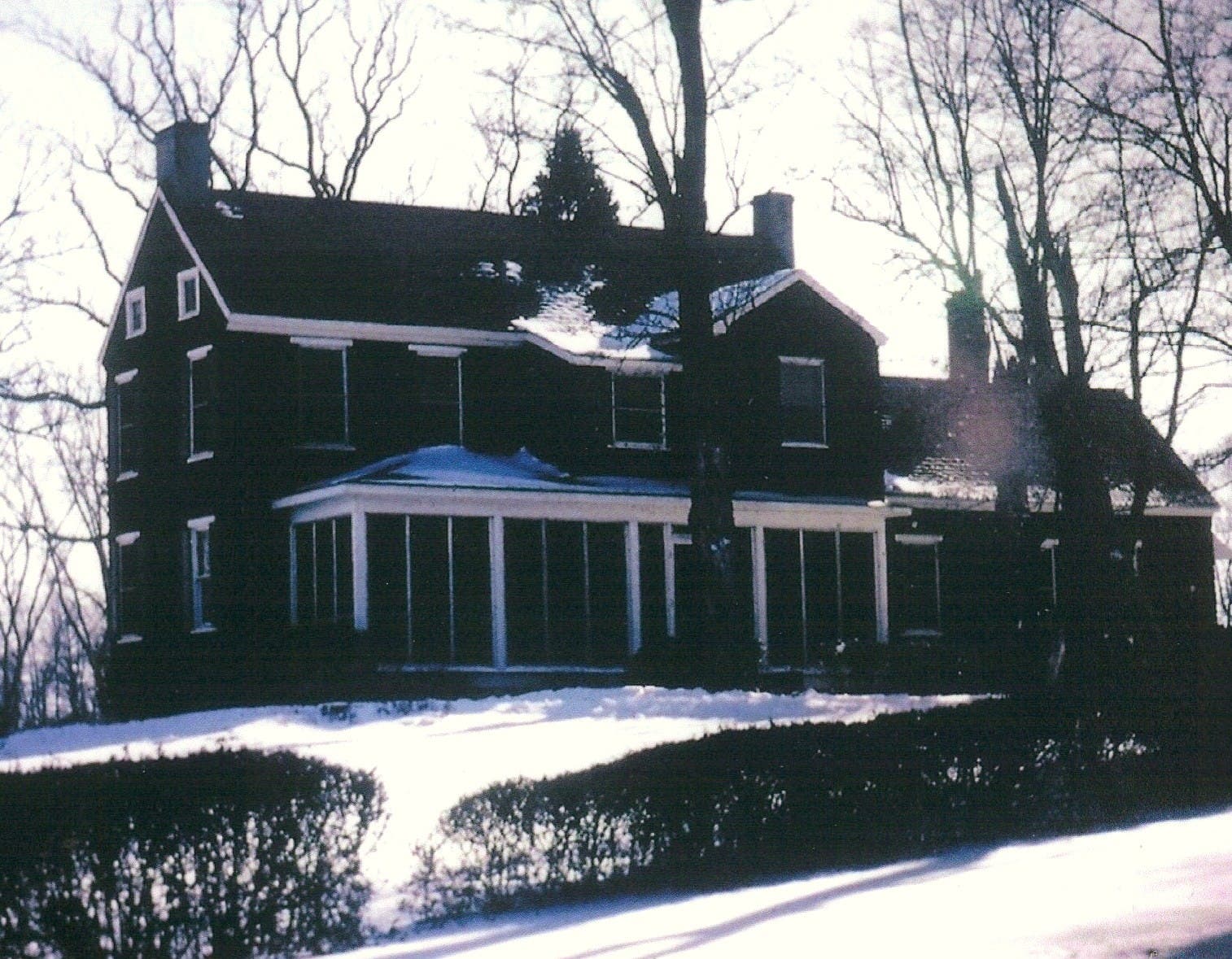
In the 1930s, the well-to-do Bishop family became owners of the land under the Simplicity Land Trust. The Bishops spent much of the year in Florida, using the farm only as a summer residence. In 1938, they hired William Buser as a caretaker to manage the property. He brought his wife, Margaret, there in 1938 and moved into a home that sat at the site of the current visitor's center.
Judy Buser Taylor, born in 1943, grew up in that house with her mom, dad and brother. An Annapolis resident and former critical-care nurse at Anne Arundel Medical Center, she recalls the huge farm that became her backyard for 25 years.
Of the two gazebos that sit on the South River overlook, Taylor says, "We always called them Thunder-and-Lightening Point. There have never been any trees there."
The trails that led Taylor and her friends to the overlook point are the same ones that countless park visitors still use today. She spent many hours on her horse, riding through the pastures and trails of the farm. She came to know every detail of the property, from the slybeans (soybeans) that her father grew for the livestock (in the fields of the current concert venue) to the trail that led to the chicken house that is now a composting demonstration project. Taylor's husband and dad planted many of the maples and dogwoods that dot the land around the concert grounds.
The dairy operation had once been sizable, complete with a milk processing facility. By the time the Buser family moved in, farm operations had diminished considerably. William Buser grew enough food to maintain his own family and the livestock. Taylor recalls carrying quart jars of cold water to her dad as he plowed the fields. He first used a team of mules for plowing, but then upgraded to an "extravagant" Farmall tractor in the 1940s.
Farm access was on a 2-mile-long rutted dirt road that ran along the park boundary on the Hillsmere side. The current bike and walking trail loosely traces the former road's track.
"Where you see the biking path, that was once our road," says Taylor.
Huge elms once lined the farm roads, but they all succumbed to blight in the 50s and 60s.
The Bishops retained a live-in nurse, Mary Parker, who they later adopted. After they died, Parker inherited the land. Now 98 and in good health, she still lives on the 18-acre plot held aside from the designated parkland.
Karen Mitchell, a Calvert County resident, moved into one of the two houses with her family on that separate parcel in 1973. Hired by Parker as caretakers for the farm, Mitchell's grandparents moved into the home that the Buser family once occupied. By that time, the farm no longer had livestock and only grew corn and soybeans on a rotating basis.
In 1987, after a contentious squabble over the county's intent to purchase the land, former County Executive O. James Lighthizer succeeded in securing more than 300 acres for use as a county park.
Mitchell had mixed feelings about the decision.
"It was hard for us as a family to have what was our backyard turned into a park, but they have done a wonderful job," she says.
On Sept. 3, 1990, the farm officially opened to the public as Quiet Waters Park. More than 10 million people (and dogs) have visited the park over the years. In honor of its 20th anniversary, the park will host a weekend full of family events, including a festival, 5K run, concerts, hayrides and other activities on Sept. 4 and 5. All the activities are listed in the Patch events calendar or you can find a complete schedule of the weekend's events on the county's website or call 410-222-1777 for more information.