Weather
2017 Hurricane Season: How Residents Should Prepare
Ahead of the 2017 hurricane season, Anne Arundel County emergency officials have shared ways to prepare for storms.


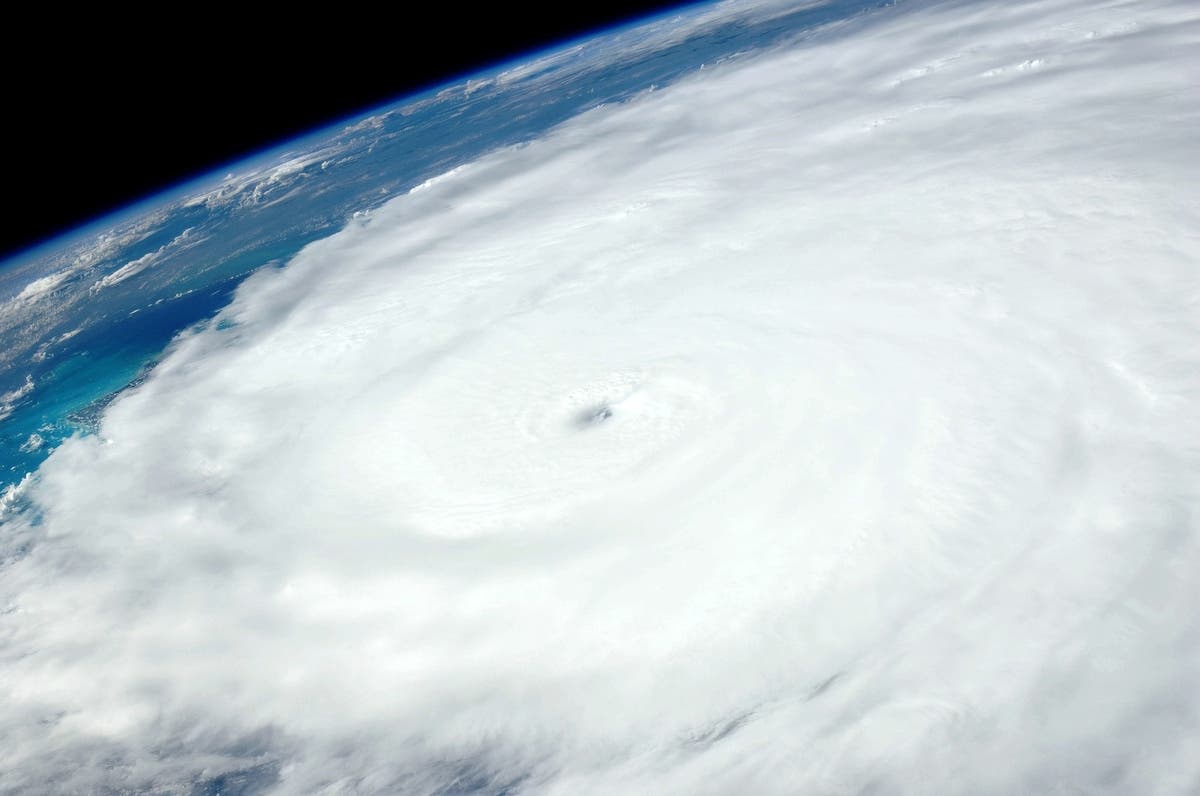
ANNE ARUNDEL COUNTY, MD -- Hurricane season is only weeks away and the Anne Arundel County Office of Emergency Management released a week's worth of preparations for county residents. Each day of this week can be dedicated to one task in getting ready for a destructive storm.
"Storms that form in the Atlantic Ocean, Caribbean Sea and Gulf of Mexico have the potential to bring storm surges, high winds, tornadoes and inland flooding across Anne Arundel County," the statement said. Here are the activities residents can do to ensure they are as ready as possible for a hurricane.
If the weather experts are correct, the 2017 Atlantic hurricane season may be slightly below average in regard to activity. The hurricane researchers on the Tropical Meteorology Protect team are predicting 11 named storms during the upcoming season, which runs from June 1 to Nov. 30.
Find out what's happening in Anne Arundelfor free with the latest updates from Patch.
Colorado State University expects four of the 11 named storms will become hurricanes, with two likely to reach major hurricane status. Major hurricanes are category 3, 4 and 5 storms on the Saffir/Simpson scale. They have maximum sustained winds of at least 111 mph.
The 2016 Maryland hurricane season was a snooze, luckily, with only Hurricane Hermine threatening the state the first week of September, and it veered into the Atlantic Ocean before reaching the Washington, D.C., and Baltimore region.
Find out what's happening in Anne Arundelfor free with the latest updates from Patch.
»See also: 2017 Hurricane Names - Is Yours On The List?
Determine Your Risk
Find out what types of wind and water hazards are likely in your area. Hurricanes are not just a coastal problem and their effects can reach hundreds of miles inland. Since the U.S. has not been hit by a major hurricane (category 3 or higher) in over a decade, "many people are suffering from hurricane amnesia in the forms of complacency, denial and inexperience."
Develop an Evacuation Plan
Find out if you live in a storm surge hurricane evacuation zone or if your home is unfit to keep you safe in a hurricane. Speak with family and friends and work out a plan to use their home as an evacuation destination. Be sure to account for pets, since many shelters do not allow them.
Assemble Disaster Supplies
Supplies are necessary not just for the storm itself, but for the often long and grueling aftermath. Stock up on non-perishable food, water and medicine to support your family for at least a week. Other recommended items are cash and battery-powered radios and flashlights. Since many of us use cell phones, have a solar-powered or hand-crank USB charger.
Secure and Insurance Check-up
Call your insurance company and make sure you have enough insurance to repair your home if damaged, as well as insurance for your car or boat. Remember that flood insurance is not standard and requires a 30-day waiting period, so it's best to act soon.
Thursday, May 11: Strengthen Your Home
Solid plywood and steel or aluminum panels are relatively cheap compared to fixing the damage hurricanes can cause. Use these to board up your windows and doors. Also, ensure that your garage door, the most vulnerable part of the house, so it must be able to withstand winds.
Friday, May 12: Check On Your Neighbor
As many Americans rely on their neighbors after a disaster, it is important to touch base with them about a possible storm. Agree with them to help each other in the case of an emergency, see what plans they have and share your own.
Saturday, May 13: Complete Your Written Hurricane Plan
"The time to prepare for a hurricane is before the season begins," according to the release. Odds are that if a hurricane comes and you are unprepared, you may make poor decisions. Know where you will ride out the storm and get your supplies now. The release says, "being prepared, before a hurricane threatens, makes you resilient to the hurricane impacts of wind and water. It will mean the difference between your being a hurricane victim and a hurricane survivor."
Maryland Hurricane History
To find out more about hurricane season and storm preparation, read these related Patch stories:
- Remember Agnes? 14 Maryland Hurricane Names You May Want To Forget
- Hurricane Tips If Storm Hits Maryland
Maryland has been spared "the big one" on most occasions, but for roughly 60 years, named hurricanes have battered our water-oriented state, altering our lifestyles and our history.
Hurricanes Connie and Diane pounded Maryland in October 1955. Just days apart in their torture on the East Coast, the storms caused widespread flooding. Connie essentially came right up the Bay. Meanwhile, Diane came on land near the Carolina border and turned east to pass over northern Maryland before going back out to sea.
More recently, Hurricane Sandy in October of 2012 made landfall just north of the upper Chesapeake Bay region, and destroyed the Ocean City fishing pier. From there it went on to devastate oceanfront areas of New Jersey and New York.
Residents readying for the upcoming season can get tips and advice on the federal government’s Ready.gov website. To read the full 2017 Atlantic hurricane season prediction report, visit CSU online.
To keep up with potential storm activity, bookmark the National Hurricane Center’s website. For local weather and severe weather alerts, visit the National Weather Service online.
Article image public domain
Get more local news delivered straight to your inbox. Sign up for free Patch newsletters and alerts.