Community Corner
Brown Drinking Water Has Plagued Bowie For Years, Stains Clothes; City To Act
Bowie residents have dealt with smelly brown drinking water for decades. Here's what the city plans to do about it.


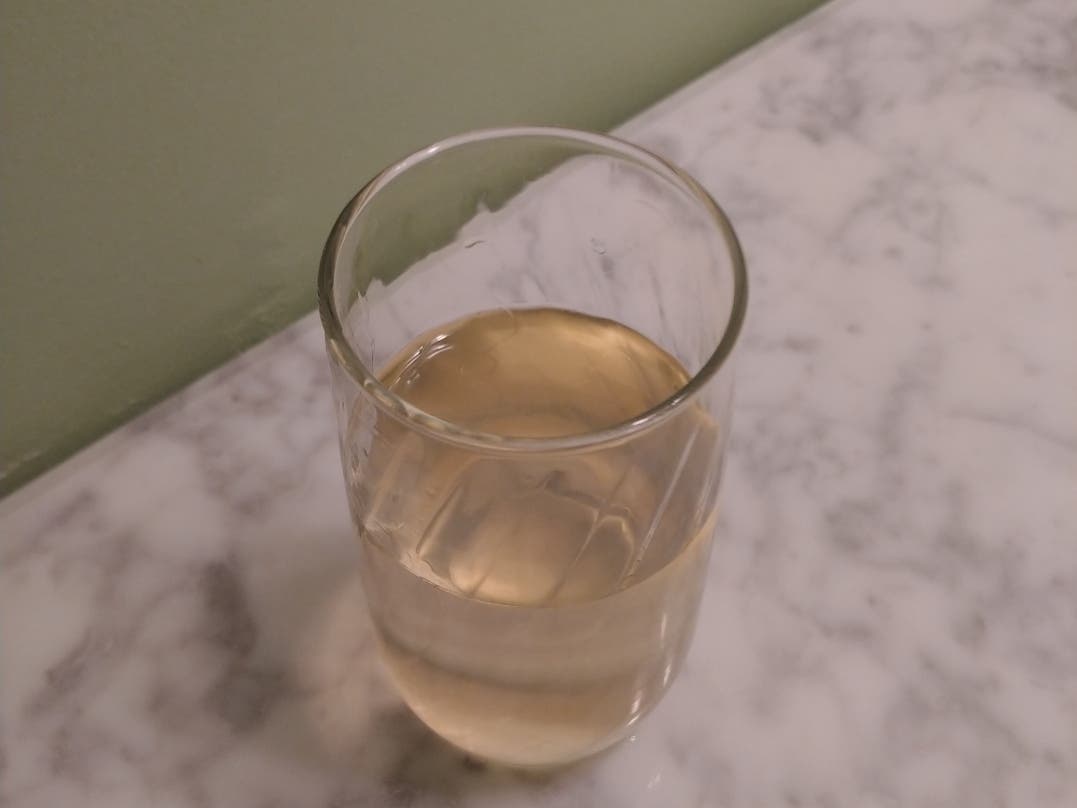
BOWIE, MD — When Matthew Gallagher turns on the faucet in his kitchen for a fresh glass of crystal clear water, he ends up with a brown-tinted liquid instead.
According to Gallagher, this happens all too often and complaints to city officials have fallen on deaf ears. He's been told the underground water pipes that comprise the city's original water system date back numerous decades and need to be replaced.
"The pipes are decaying and the iron and other items get into the water. Some areas only have this water after the hydrants are flushed, but my area has it quite more often," Gallagher told Patch. "They have allocated some money to replace underground pipes, but will not adjust the project to get it done faster. They have been taxing us for years to pay for the pipe replacement yet, we still have the dirty water."
Find out what's happening in Bowiefor free with the latest updates from Patch.
Gallagher said the city has offered a $50 rebate for water systems to be installed in families' homes to "placate those of us who are speaking up." But such systems cost upwards of $1,000, Gallagher said.
"I have not applied since I find it to be insulting to the residents and I would need to find the other $950 to give my home clean water when I'm already paying the city for what should be clean water," he said.
Find out what's happening in Bowiefor free with the latest updates from Patch.
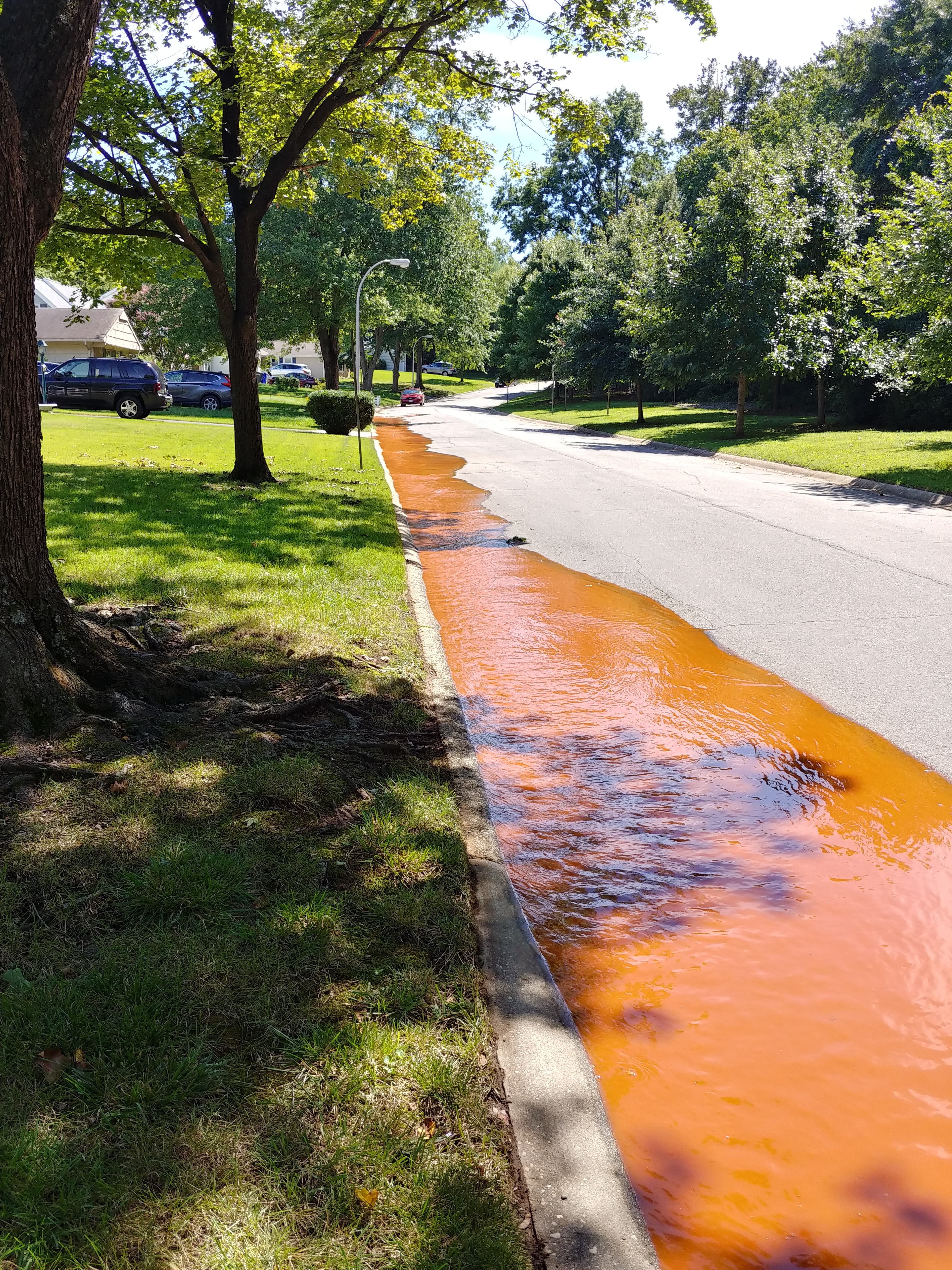
Photo courtesy of Matthew Gallagher
The city's antiquated water system needs replaced, which will cost upwards of $125 million.
Pat Clunies told WUSA she's experienced dirty tap water for decades, too.
"It's periodic," she said. "It'll be fine like this. Then, I'll go in to take a shower and I get brown water. It's frustrating because we don't know when it's going to happen or why. We're assuming it's the old pipes."
Una Cooper, communications director for the city of Bowie, shared with Patch information that can be found on the city's website about the brown water situation. According to the city, the Bowie Water & Sewer System serves almost 8,000 customers in the neighborhoods that were built by Levitt & Sons in the 1960s. Other parts of Bowie are served by WSSC Water.
Much of the infrastructure was built by Levitt between 1962 and 1970. At the time, unlined cast iron piping was commonly used for water distribution mains. These kinds of pipes are subject to corrosion, which is called tuberculation, and that can cause small iron deposits in the pipe that in turn discolors the water.
The city said the water main recapitalization project has begun, but will take several years to be complete. The first pipeline replacement phase happened in the Heather Hills neighborhood in the past year or two.
A drinking water quality report also is released each year after testing is done per federal and state law, which can be found at www.cityofbowie.org/wqr. The city's water passes all minimum requirements and exceeds several quality thresholds.

Photo courtesy of Matthew Gallagher
The city of Bowie has already begun replacing short segments of its water system, but it will take several years to complete the project.
Bowie's new public works director, who took the helm in September, is well aware of the water issue. Jose Aldayuz plans to release a report in January updating the city council about just how bad the situation really is.
Aldayuz told WUSA that the 90-mile-long cast iron water pipe system is badly rusted on the inside and the build-up is so bad that the pipes can't carry the water at the volume they should be functioning at. That leads to more pipe flushing and subsequently more brown water circulating, Aldayuz said.
While Aldayuz insists the water is perfectly fine and drinkable, the discoloration stains clothes and it does smell, residents say.
The estimated cost to replace the line ranges from $1.2 to $1.5 million per mile. To replace the entire 90 miles of the system will likely cost more than $125 million and will take many years to complete, city officials say. So far, only three miles have been replaced.
The city has been collecting $22.75 per quarter from water customers in the form of a recapitalization fee, which is to be used exclusively for the water pipe recapitalization project. In 2023, the fee will increase to $23.44 per quarter. The city also is working with federal and state entities to secure additional funding or loans.
“Rest assured that the areas experiencing regular problems are our top priority. We are developing plans and by the end of the fiscal year in June, we intend to award a contract to address the worst of the problem pipes” Bowie City Manager Alfred Lott said in a statement.
The city also has determined that all water meters must be replaced with smart meters, which will take 7 years.
The Bowie City Council will discuss the water distribution recapitalization program at its Jan. 2 meeting.
Get more local news delivered straight to your inbox. Sign up for free Patch newsletters and alerts.