Community Corner
Possible Ebola Patient Being Tested in D.C. Area
Howard University Hospital is isolating a potential patient with the Ebola virus.


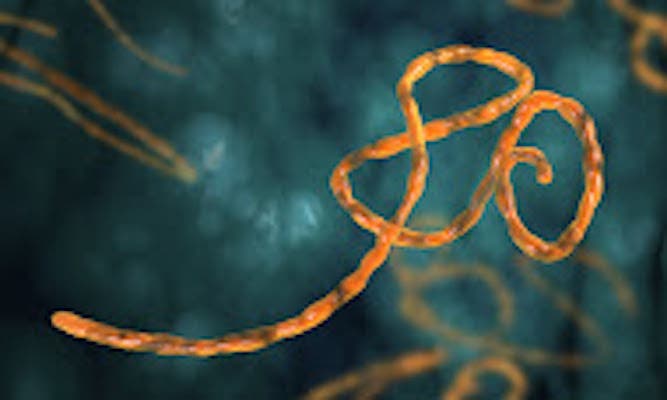
A patient with Ebola-like symptoms is being treated at a hospital in Washington, D.C., raising more fears the highly contagious virus, which has caused more than 3,000 deaths in western Africa, could continue to migrate to the United States.
Earlier in the week, the country’s first Ebola case was confirmed in Texas, and officials there say more than 100 people who came in contact with the patient are considered at risk.
Find out what's happening in Bowiefor free with the latest updates from Patch.
The patient in DC recently traveled to Nigeria and is currently being isolated and tested at Howard University Hospital.
Ebola, a non-airborne virus, is spread through direct contact with an infected person’s bodily fluids. But only minimal exposure is necessary to sicken and kill.
Find out what's happening in Bowiefor free with the latest updates from Patch.
Health officials have stressed that the virus does not spread until a victim displays symptoms, and the Center for Disease Control and Prevention has been educating health providers on how to handle suspected cases.
DC’s Howard University Hospital released the statement:
“We can confirm that a patient has been admitted to Howard University Hospital in stable condition, following travel to Nigeria and presenting with symptoms that could be associated with Ebola. In an abundance of caution, we have activated the appropriate infection control protocols, including isolating the patient. Our medical team continues to evaluate and monitor progress in close collaboration with the CDC and the Department of Health.”
In the Texas case, the patient, Thomas Eric Duncan, 42, is being treated in Dallas. Health officials have quarantined his family and are monitoring those people he came in contact with prior to isolation.
For information on Ebola symptoms and prevention visit here.
***
According to the CDC, the signs and symptoms of Ebola include:
- Fever (greater than 38.6°C or 101.5°F)
- Severe headache
- Muscle pain
- Weakness
- Diarrhea
- Vomiting
- Abdominal (stomach) pain
- Unexplained hemorrhage (bleeding or bruising)
- 2 to 10 days after exposure
Tips to Protect Yourself:
- Wash hands frequently or use an alcohol-based hand sanitizer
- Avoid contact with blood and body fluids of any person, particularly someone who is sick
- Do not handle items that may have come in contact with an infected person’s blood or body fluids
- Do not touch the body of someone who has died from Ebola
- Do not touch bats and nonhuman primates or their blood and fluids and do not touch or eat raw meat prepared from these animals
- Avoid hospitals where Ebola patients are being treated. The U.S. Embassy or consulate is often able to provide advice on medical facilities
Image via Shutterstock
Get more local news delivered straight to your inbox. Sign up for free Patch newsletters and alerts.