Politics & Government
Ugly Metro Commute Nears: What You Can Do About It
Metro has a year-long plan to make fixes system-wide, resulting in massive shutdowns and single-tracking -- but there are ways to cope.


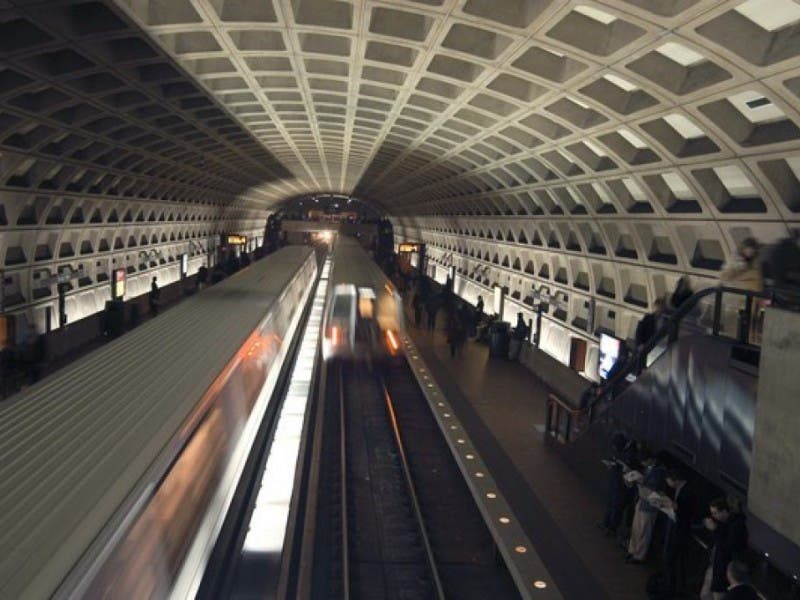
It's not going to be a fun year for people who depend on the Metro rail system for work. Fortunately, however, there are quite a few alternatives.
As smoke and fire problems continue to mount in the Metro system, general manager Paul Wiedefeld has released the final "SafeTrack" plan calling for condensing three years of work into one year, including 15 "Safety Surges" that will lead to extensive single-tracking or even shutdowns of entire segments of the Metro rail system. That means super-long wait times and extremely crowded trains for weeks at a time -- or, in some cases, no service at all.
Find out what's happening in Bowiefor free with the latest updates from Patch.
These will not be your standard single-tracking scenarios. Rather than lasting hours, most of these "surges" will last weeks. The shortest single-tracking scenarios will last seven days, while the longest one stretches a whopping 42 days. And in five of these scenarios, there won't be single-tracking at all -- the entire line segment will get shut down.
That means it's time for riders who depend on Metro rail to start thinking about alternatives. With the first "Safety Surge" starting June 4, time is running out to do so.
Find out what's happening in Bowiefor free with the latest updates from Patch.
Take the Bus, Commuter Rail, Carpool
The most obvious alternative is the bus. Depending on where you live, there are a variety of different bus options, including Metro buses covering the entire system.
Another option is commuter rail, which may end up being a bit more expensive than Metro but will get you where you need to be quickly and in a much more spacious setting. The MARC train services Maryland riders and the VRE services Virginia riders.
If you do own a car, perhaps it's time to start a carpool. Even after the Metro mess is over, you may like the convenience of having your own ride and saving money on gas throughout the year, as well as the privilege of using HOV lanes.
For those not needing to get to work but still wanting to get into the city for a bit without using Metro, one alternative you might not even be aware of is Metro's car sharing program. If you don't own a car, you can sign up for a partnership with Enterprise CarShare, which is available in Metro Kiss & Ride lots in 45 of 91 Metro rail stations. That means you can take the Metro as far as you'd like until it starts to become a mess, and then hop into a car just steps away to drive into the city and avoid the headaches. Hourly rates start at $7.
First Safety Surge Impact
The first Surge project will take place June 4, and will result in single-tracking between East Falls Church and Ballston Metro stations on the Orange and Silver lines. The project will take 13 days, and will result in stations west of Ballston getting a train every 18 minutes.
"Due to reduced capacity and expected longer travel times, Orange and Silver line customers are strongly encouraged to consider alternative travel options and avoid traveling during rush-hour periods," the statement advises.
For the first Safety Surge, Metrorail customers are warned:
- Orange Line trains will run every 18 minutes at stations between Vienna and Ballston
- Silver Line trains will run every 18 minutes at all times
- Additional Orange Line trains will run between Ballston and New Carrollton; however, trains will still be less frequent than normal
- Expect significant crowding on Orange and Silver line trains
- Blue, Yellow, Green and Red line service will operate normally during rush hours during Safety Surge 1.
The Surge projects will continue until mid-March. You can find a full list of the projects and their dates here.
The new plan addresses the FTA’s concern that some of the most critical areas were not going to be addressed immediately. The revised schedule moves up repairs that will significantly reduce service for Orange, Silver and Blue line riders, reports WTOP.
In addition to the Safety Surge projects, SafeTrack also includes closing the Metrorail system at midnight every night (rather than at 3 a.m. on Friday and Saturday nights) and expanding weekday maintenance opportunities by starting selected work at 8 p.m., rather than 10 p.m.
Get more local news delivered straight to your inbox. Sign up for free Patch newsletters and alerts.