Crime & Safety
Video of Dying Man's Blink to Identify Shooter Allowed in Court
The unusual case will be the first time such evidence is used in a Maryland court, and only the fourth time nationally.


>>Want more news? Get the daily Bowie email newsletter.
A Prince George’s County murder case can proceed to trial after the Maryland Court of Appeals ruled the dying victim’s blink of an eye may be used as evidence to identify his assailant -- a legal first in Maryland.
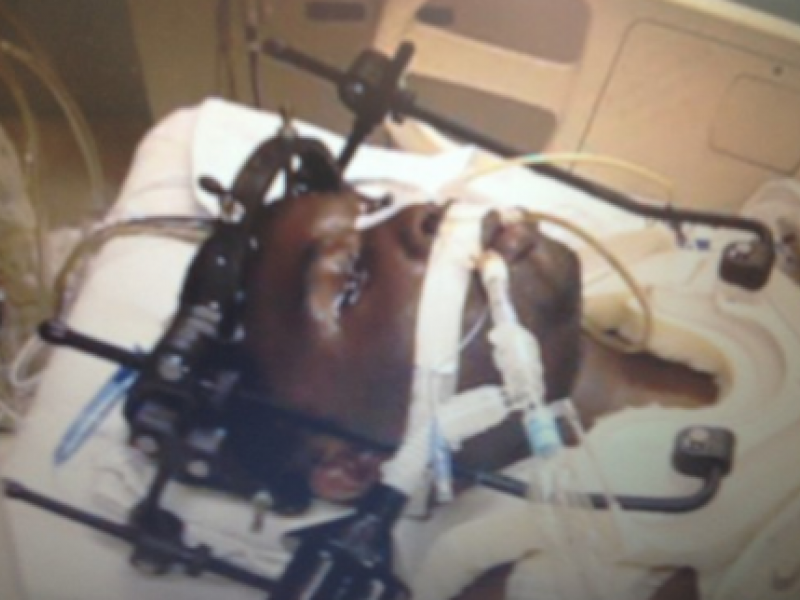
The video of Melvin Nathaniel Pate blinking at a photo lineup can be included in Jermaine Hailes’s murder trial, the state’s highest court has ruled, reports The Washington Post. Pate, 29, was shot and paralyzed in 2010; he died in 2012, two years after the video was recorded.
Find out what's happening in Bowiefor free with the latest updates from Patch.
For years attorneys for Hailes have argued in various courts that showing the video to a jury would violate the defendant’s Sixth Amendment right to face his accuser.
But last week’s ruling by the state’s highest court said the blink by a paralyzed Pate was a “dying declaration,” which is exempt from the legal requirement that criminal defendants have the right to face and question their accusers.
Find out what's happening in Bowiefor free with the latest updates from Patch.
The decision would allow the blink testimony to be shown as evidence for the first time in a Maryland murder case and the fourth time in the United States.
Judges for the court were unanimous in their decision to allow the blink as testimony in the case against Hailes, 24.
“Here, we reach the same conclusion that the Supreme Court has consistently endorsed for more than a century, and hold that the Confrontation Clause does not apply to dying declarations,” Judge Shirley M. Watts wrote, reports the Daily Record.
One of Hailes’s attorneys told the Post they have not decided whether to ask the U.S. Supreme Court to hear the case.
»Photo of Melvin Pate from Prince George’s County State’s Attorney’s office
SEE ALSO:
Get more local news delivered straight to your inbox. Sign up for free Patch newsletters and alerts.