Community Corner
Trees Get A Bad Rep in Wake of Summer Storms
College Park residents reluctant to have trees in public areas around their properties replaced
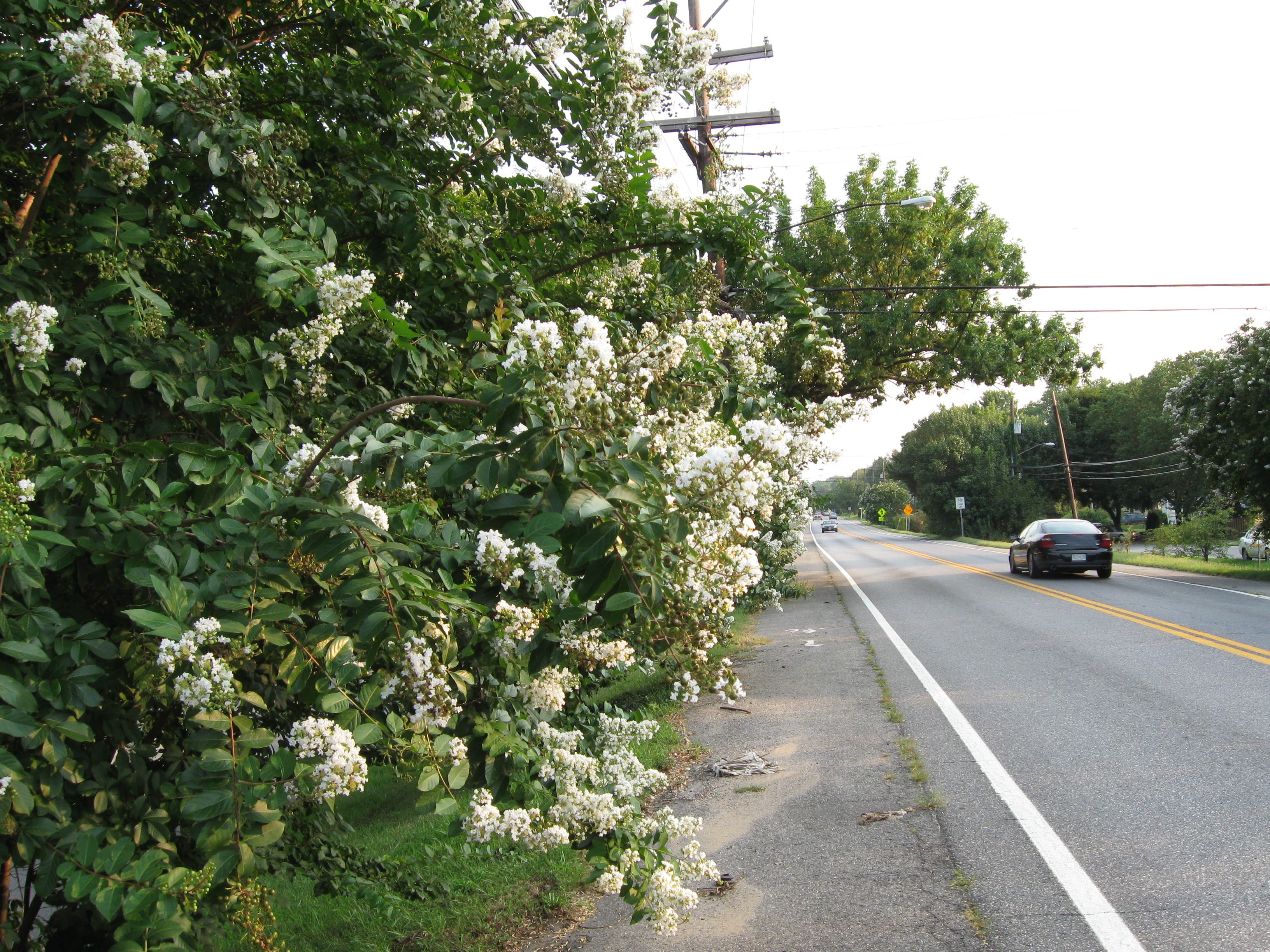
They're tall, poised, well-grounded and great for the environment, but it's hard to appreciate the beauty and value of trees when they're tangled in downed power lines, or lying on sunken rooftops of homes of residents who've been forced out, or stay in their homes without power for days or weeks.
This summer, landscapers employed by the City of College Park's Public Works Department have spent nearly as much time removing trees and picking up debris, as they have planting and watering them.
"We're still dealing with some storm damage debris removal," said Brenda Alexander, deputy director and horticulturist at the City of College Park Public Works Department. "When a tree is removed, they should be replaced. Sometimes it's difficult to identify the places where trees are needed. We're working on developing a map … a right-of-way map, especially for [those] locations."
Find out what's happening in College Parkfor free with the latest updates from Patch.
College Park residents can call the Department of Public Works and request that trees be planted in public areas that border their property. Alexander said the department only gets about 15 to 20 requests a year.
"With the storms that we've had a lot of people see the damage to trees and are reluctant to request that trees be planted near their properties for fear of potential damage," she said.
Find out what's happening in College Parkfor free with the latest updates from Patch.
Advocating for trees
Even before the summer storms moved in, the abnormally-high temperatures put trees at risk.
Caring for and replacing trees is a straightforward process in the City of College Park, where the Department of Public Works has the budget for a Horticulturist, a landscape foreman, and a crew of six landscapers who plant, water, prune and maintain all the trees in the city's public domain.
But neighboring cities with lower property values and fewer commercial areas to generate revenue have just enough funds to cover trash pick-up and snow removal. Unincorporated towns rely solely on the Prince George's County for these services. But when it comes to planting and replacing trees, small cities with limited budgets can get assistance from non-profit organizations like the Neighborhood Design Center. The organization, which is funded by grants, provides landscaping and architecture services pro-bono to Community Development Block Grant-eligible communities in the county.
"One storm can take out 10,000 trees in the county," said Jan Townshend, a director at the Neighborhood Design Center. "So, you're always trying to replenish what you've lost."
Townshend said that many of the trees destroyed in recent storms are Bradford Pear trees, which were planted in many subdivisions throughout Prince George's County in the '60s and '70s. Bradford Pear trees bloom dainty little white flowers that, from a distance, look like tiny snowflakes.
"In storms they tend to fail," said Townshend. "When the limbs break off and the trunks split in two, they look really ugly. There are thousands of them everywhere in the county. The county is starting removal [of these trees]. [They] are trying to deal with it in a consistent way."
All the Bradford Pear trees will soon be replaced with Willow Oak Trees, which according to Townshend, are great shade trees that are very tolerant of pollution, extreme heat and salt.
"They get really tall," said Townshend. "They're great street trees, proven to do really well."