Community Corner
Census Shows Minorities Bring Growth to Maryland Population
Based on census figures, Maryland will have a majority of minority residents in 10 years.
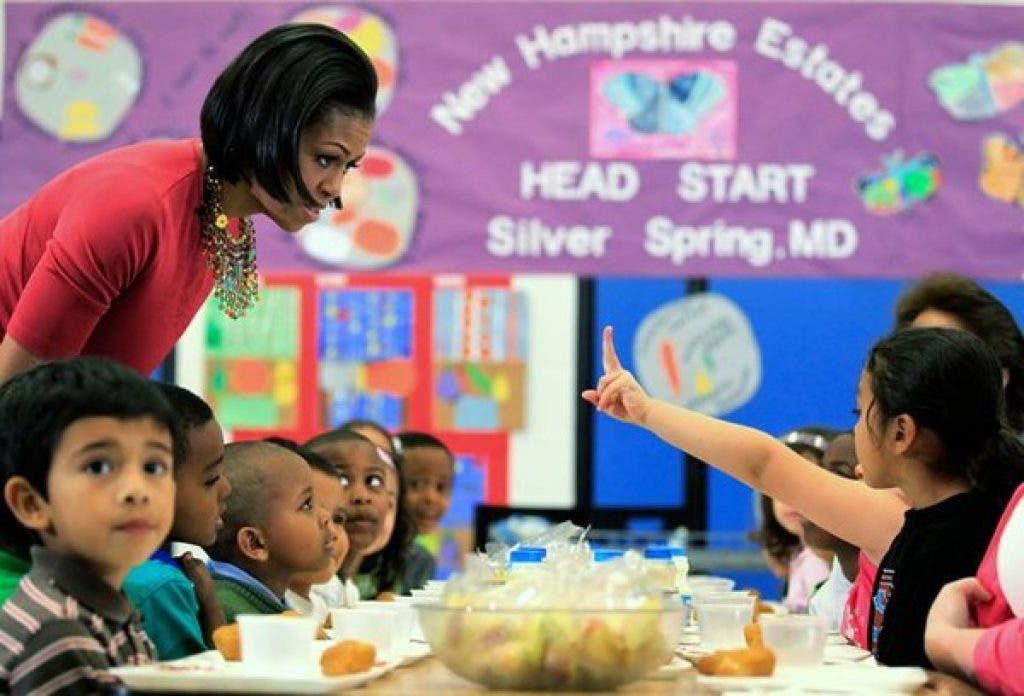
Minorities account for almost half of Maryland’s population, putting the state on course to become a majority-minority state within the next decade, the census shows.
According to the latest census numbers, minorities, including Hispanics, non-Hispanic African-Americans and Asians, represented 45.3 percent of the population in 2010. That’s up from 37.9 percent in 2000.
Overall, Maryland’s population grew 9 percent to nearly 5.8 million between 2000 and 2010–the smallest total and percent change for the state since the 1970s. All of the population growth was due to minorities.
Find out what's happening in Dundalkfor free with the latest updates from Patch.
Experts say the state’s prosperity and proximity to Washington, D.C., are among the population draws and that continued growth generates income throughout the state.
But accommodating the changing demographics won’t be easy. Maryland must draw new legislative districts by 2012 to reflect the census findings, and when it comes to outreach services, some residents say it’s a race for county and state services to keep up.
Find out what's happening in Dundalkfor free with the latest updates from Patch.
“That is the challenge,” said Andrew Ratner, director of communications and education for the Maryland Department of Planning, “keeping up with the cost of services for an increasing population.”
Changing counties
In Maryland, the largest total population changes of the decade occurred in Montgomery (98,436 or 11.3 percent), Prince George’s (61,905 or 7.7 percent), Baltimore (50,737 or 6.7 percent) and Anne Arundel (48,000 or 9.8 percent) counties.
They were followed by Howard (39,243 or 15.8 percent), Frederick (38,108 or 19.5 percent), Harford (26,236 or 12 percent) and Charles (26,005 or 21.6 percent) counties.
Overall, Hispanics and Latinos represented the largest increase in population, jumping more than 106 percent to 242,716 people statewide.
“Most Latinos in Maryland are immigrants, and immigrants are drawn to places with good economic opportunities, good schools and places where they already have friends and relatives,” said Kim Propeack, director of community organizing and political action for CASA de Maryland, Inc., an organization that helps low-income Latinos and their families access community, education and employment resources. “The growth of Maryland’s Latino community is an enormous benefit to the state.”
In 2002, Propeack said Maryland’s 15,353 Latino-owned businesses had sales and receipts of $2.4 billion and employed 18,751 people. In 2009, Latino purchasing power in the state was $11.1 billion, she said.
Much of that power came from Montgomery County, which reached majority-minority status in 2010. That means a majority of its population is now made up of minorities.
Of the more than 971,000 people living in the county, almost 51 percent identified themselves as black or African-American, Hispanic or Latino, Asian or Pacific Islander or an ethnicity other than non-Hispanic white.
The county tracks population changes through the census, as well as the American Community Survey–an ongoing survey that provides data every year so communities can plan investments and services.
“It’s not like we were surprised by these numbers,” said Karla Silvestre, the Latino liaison in the Montgomery County Executive’s Office of Community Partnerships. “The county has been adjusting to the numbers gradually.”
To help with outreach, Montgomery County created a new bilingual communications position about a year ago. The staff member, who speaks Spanish, notifies the area’s Spanish-speaking media about county news and services, Silvestre said.
The county’s police, health and human services and housing departments have also hired Spanish-speaking outreach staff members, she said.
In addition, the county is “taking government to the people” through the Neighborhood Opportunity Network, Silvestre said. The network, a partnership between the Department of Health and Human Services and area community organizations, connects people with the government resources they need. Residents can use the network’s service centers to apply for medical assistance, eviction prevention, temporary cash assistance and food stamps.
Organizations throughout the county also offer English-as-a-second language classes, although Silvestre said there are about 2,000 people on the waiting lists for the classes countywide.
While Howard County is not yet a majority-minority county, its minority population exploded in the last decade. The largest increase came from non-Hispanic Asians, now representing 14.3 percent of the county’s population–the highest in the state. Overall, minorities represent almost 41 percent of the county’s population.
Many Korean-Americans move to Howard County for the schools and the business opportunities, said Sue Song, a county resident since 1981 and past president of the Korean American Community Association of Howard County.
“It’s an area they can expand a business or explore opportunities for business,” she said. “They are comfortable here.”
Still, language and cultural barriers exist. The county is trying to meet the need, but given how quickly the Asian population is growing, more needs to be done, Song said.
Like Montgomery County, Howard County has recently hired more bilingual staff, said Lois Mikkila, director of the Howard County Department of Citizen Services.
Specifically, the Office of Children’s Services has a Spanish-speaking outreach staff member, while the Office on Aging has a Korean-speaking outreach staff member, she said.
“For us, it’s an ongoing part of being responsive to the needs in the community, and those are constantly changing,” Mikkila said.
In Carroll County, the population grew to 167,134 in 2010–a 12 percent increase from 2000. The number of housing units in the county followed the trend, jumping 15 percent from 54,260 in 2000 to 62,406 in 2010.
Westminster saw its population increase 11 percent to 18,590 in 2010–a small percentage compared to its municipal neighbors. Manchester’s population jumped 45 percent to 4,803, while Mount Airy’s population grew 44 percent to 9,288.
Given the new population totals, Thomas Beyard, director of planning, zoning and development for the City of Westminster, expects to see changes when it comes to redistricting in Carroll County.
“Suddenly, what were sleepy areas are going to be drastically different,” he said.
Prince George’s County continued its status as a majority-minority county in 2010. Of the more than 863,000 people living in the county, more than 64 percent are black or African American, up 10.7 percent from 2000. About 19 percent are white, a 23 percent drop from 2000. Nearly 15 percent are Hispanic or Latino, a 126 percent jump from 2000.
According to the Prince George’s County Planning Department, much of the county’s overall population growth between 2000 and 2010 fell along the proposed Purple Line route, especially around College Park and Woodlawn. The Purple Line, a Maryland Transit Administration project, would be a 16-mile light rail running from New Carrollton to Bethesda in Montgomery County. It would connect to several Metrorail lines, as well as MARC Train, Amtrak and bus services. The line is still in the planning phase.
Redistricting
Along with population changes comes redistricting. Maryland law requires new congressional districts and state legislative districts be drawn based on the principal of one-person, one-vote following the census, Ratner said.
“The state’s overall population did not change significantly enough to trigger a change in congressional seats,” he said. “There will be gains and losses within the state at the state legislative level for various jurisdictions.”
Public hearings, review and analysis of proposed districts will occur throughout the year. New state districts are scheduled to go before the Maryland General Assembly in January 2012.
The state may have a majority minority by 2020, but the population changes will not show in the electorate for another few decades, said Thomas Schaller, a political science professor at UMBC.
They will show, Schaller said, in political office. By 2020, he expects to see more non-white legislators elected in Maryland, especially in counties like Frederick, Howard and Montgomery, he said.
“Those changes are definitely happening,” he said.
Other points of interest in the 2010 census include:
- Maryland’s population grew by more than 477,000 between 2000 and 2010, with the total change ranking it 15th among the 50 states.
- The state’s 9 percent change was ranked 24th in the nation, below the national growth rate of 9.7 percent.
- Baltimore City lost population in the last decade. The drop was the smallest since the 1950s, though, aided by gains from Hispanics and non-Hispanic Asians.
For more information, visit http://www.planning.maryland.gov.