Health & Fitness
Leaking Chimney?
In our business, we've noticed a peculiar recurring trend during Spring - leaky chimneys. Read on for some useful tips for diagnosing and dealing with a leaky chimney.

In our business, we’ve noticed a peculiar recurring trend during Spring. After a month or two of Spring rains, we start seeing an influx of calls for leaky chimneys! (When it rains it pours, huh?)
Chimney leaks can be caused by many different sources, and can be hard to diagnose for homeowners dealing with the problem for the first time. We've identified some of the most common causes of chimney leaks we’ve seen, and have provided some useful tips for dealing with a leaky chimney.
Find out what's happening in Gaithersburgfor free with the latest updates from Patch.
Check your Chimney Cover
It sounds simple, but it’s surprising how often homeowners forget to take this first, and by far easiest, step. Chimney covers serve multiple important purposes, including keeping water from falling straight into the chimney and preventing animals from nesting inside the cozy flue. Check the cover over your chimney and make sure that it is attached properly and doesn’t have any kind of damage. Remember to check that the cover fits the chimney appropriately and check to see if it’s been damaged by animals or if you need a replacement.
Find out what's happening in Gaithersburgfor free with the latest updates from Patch.
Look at the Cement Crown
At the top of your chimney is a cement block that connects the flue with the surrounding brick. Like any other joints in the chimney, this is an area where leaking can occur. Check to see what kind of cracks your chimney crown has, and how major or minor they are. Caused by freezing and melting seasonal water, cracks in cement will only grow once they’ve taken root. We recommend stopping them early on by treating even small cracks in your cement crown with a coating material, such as Chimney Saver Crown Coat. As they say, an ounce of prevention is worth a pound of cure (or in this case, an ounce of coating!).
Assess the Condition of the Flashing
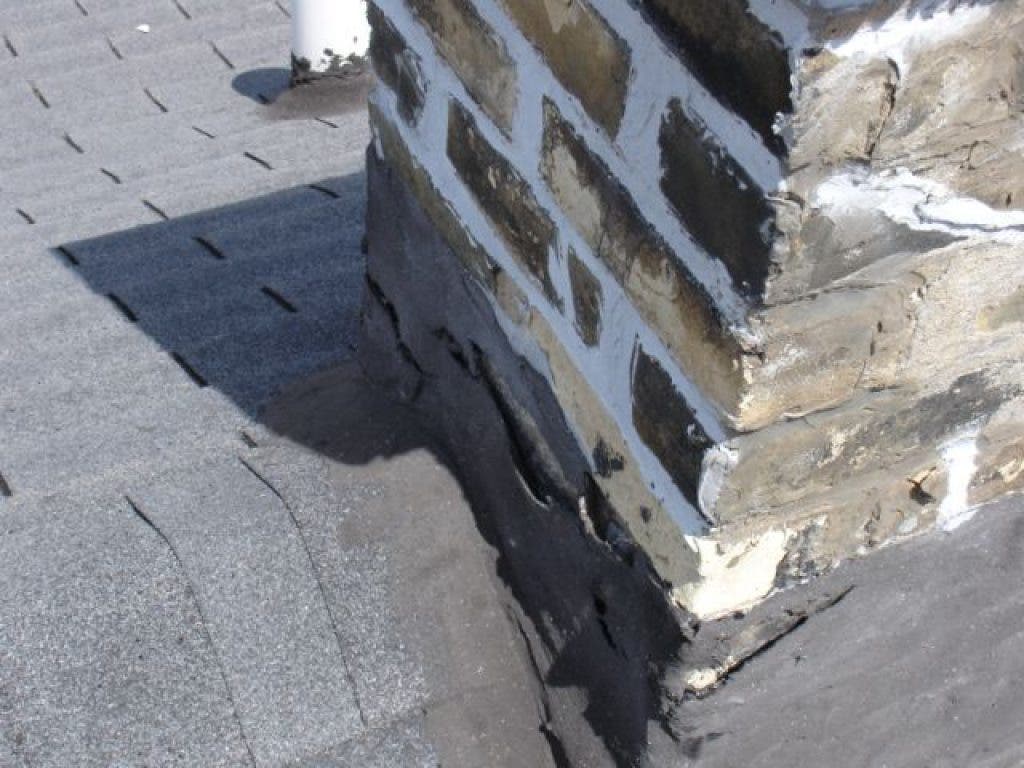
The flashing is the material between the bricks and roof that bridges the gap between the two and makes the crack waterproof. Typically made of bent aluminum that is then sealed with tar, a lot of homeowners experience trouble down the road when the tar wears away and water begins pouring in from the crack. Don’t panic, however, because it’s easier than ever to fix problems with your flashing and we now have new materials that far exceed the lifespan of tar. Our recommendation is Flash Seal by Saver Systems.
Look at the Chimney Bricks
Just like the cement crown, chimney brick is exposed to the elements day-in and day-out. Fortunately, it’s now possible to waterproof the chimney itself and prevent that damage from happening. We recommend consulting with a professional before undertaking a waterproofing of your brick. Although waterproofing your chimney is a fairly well-known practice, homeowners can make mistakes when selecting the coating to use. Because of its porous nature, brick and mortar can actually become ‘soggy’ with water, and using an incorrect seal can trap that moisture inside the brick. Depending on the condition and type of the brick that your chimney is built with, your home will require a different solution. We use a Masonry Absorption test, which measures how long it takes for water to absorb into the wall, to determine what course of action to take when waterproofing your chimney. In general, we prefer to use polysixolane-type waterproofing agents, such as Chimney Saver, also by Saver Systems.
Make Sure your Chimney Fits its Function
Many older homes have been retrofitted throughout the years with various improvements to help modernize their look and feel, and fireplaces are among the places that typically get a facelift. Along with the aesthetic changes come functional needs, and sometimes these get ignored or forgotten in the renovation. For instance, if a home has had its fireplace retrofitted with a gas furnace or fireplace, it needs to have the liner re-sized in order to prevent condensation. Left unattended, the condensation will eventually begin damaging the chimney and its interior surfaces with water damage. Look for a reputable chimney sweep company to inspect your fireplace and ensure that its form fits its function in your home.
Consult a Professional
Diagnosis and repairs of these issues might sometimes be a snap for an average homeowner, but alternatively, they can also turn out to be much more difficult than you might anticipate. Add to that the possibility of an improper fix that leads to much more expensive damage later down the line, and the chance that during the course of your repair you might miss something that is indicative of a deeper problem, and you can begin to see why we recommend bringing in a professional to inspect and service your chimney.
If you do happen to be looking for expert chimney professionals who do chimney leak repair in the DC area, please allow us to recommend ourselves – Gaithersburg’s own High’s Chimney Service.