Politics & Government
Gaithersburg Officials Enthusiastic About BRT
County transportation officials outlined a study of bus rapid transit corridors.

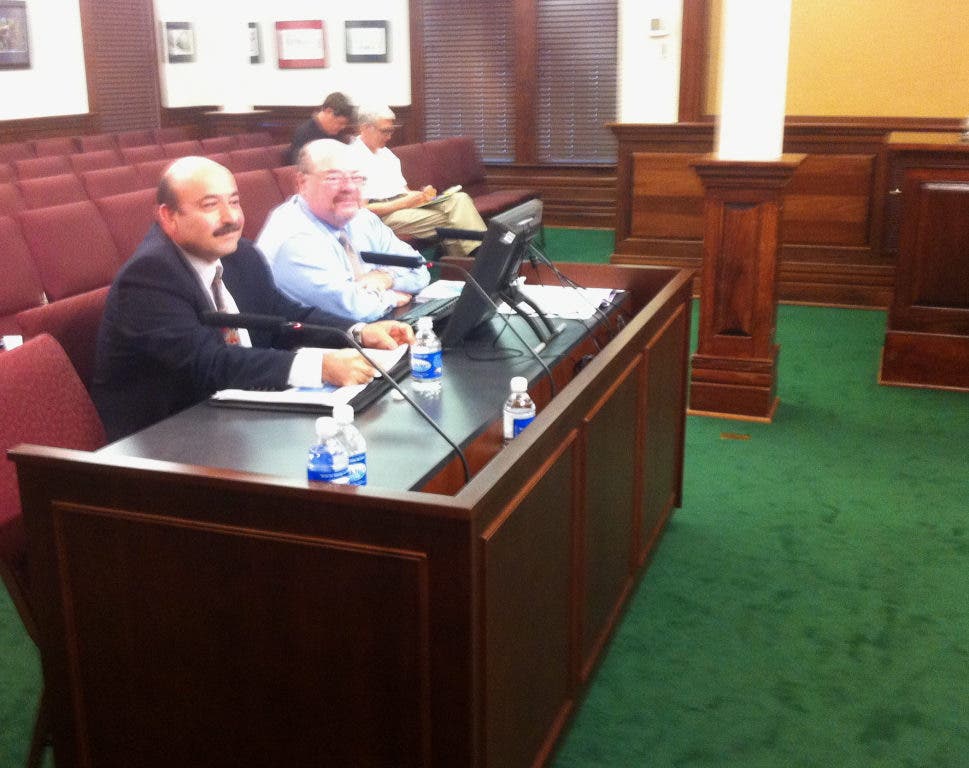

About two years ago when County Councilman Mark Elrich told the City Council about his plan to bring bus rapid transit to Montgomery County, city officials were thrilled.
On Monday night, when County transportation officials briefed the City Council on the recently completed study of possible future BRT corridors, they were ready to get started.
"I guarantee you'll find no jurisdiction as accommodating as Gaithersburg in bringing this thing to fruition," said Council Vice President Jud Ashman.
Find out what's happening in Gaithersburgfor free with the latest updates from Patch.
The system of on-street busses would share many features of metro trains—like at-grade boarding, off-board ticketing and three wide doors for easy access.
"The final report will be posted on our website by the end of the week," said Al Roshdieh, Deputy Director of the County's Department of Transportation.
Find out what's happening in Gaithersburgfor free with the latest updates from Patch.
The study was based on the development that is expected to be in place by 2040, he said.
Overall there were 16 routes identified—four of which would pass through Gaithersburg. In total the system would span about 150 miles throughout Montgomery County.
The study assumed that the purple line and the Corridor Cities Transitway would be in place by 2040—the CCT being light rail.
Gary Erenrich, Special Assistant to the Director of the County's transportation department, said a fleet of about 300 buses would be needed to fully implement the system.
The routes would exist almost exclusively within the existing right-of-way, with some new bus-only lanes possibly being added.
The basic construction and deployment of the system would cost about $2.5 billion, Erenright said. That breaks down to about $18 million per mile.
If bridges and other upgrades to improve the speed and efficiency were added, it could potentially up the cost to about $35 million per mile, he said.
During peak times, passengers would have to wait just three to five minutes before a bus arrived, Erenright added.
Roshdieh said it was too early to say if the buses would run on diesel, or electric, but he promised the system would be environmentally friendly.
Part of that would come from the decrease in RideOn and Metro buses needed after the BRT system is in place, he said.
Get more local news delivered straight to your inbox. Sign up for free Patch newsletters and alerts.