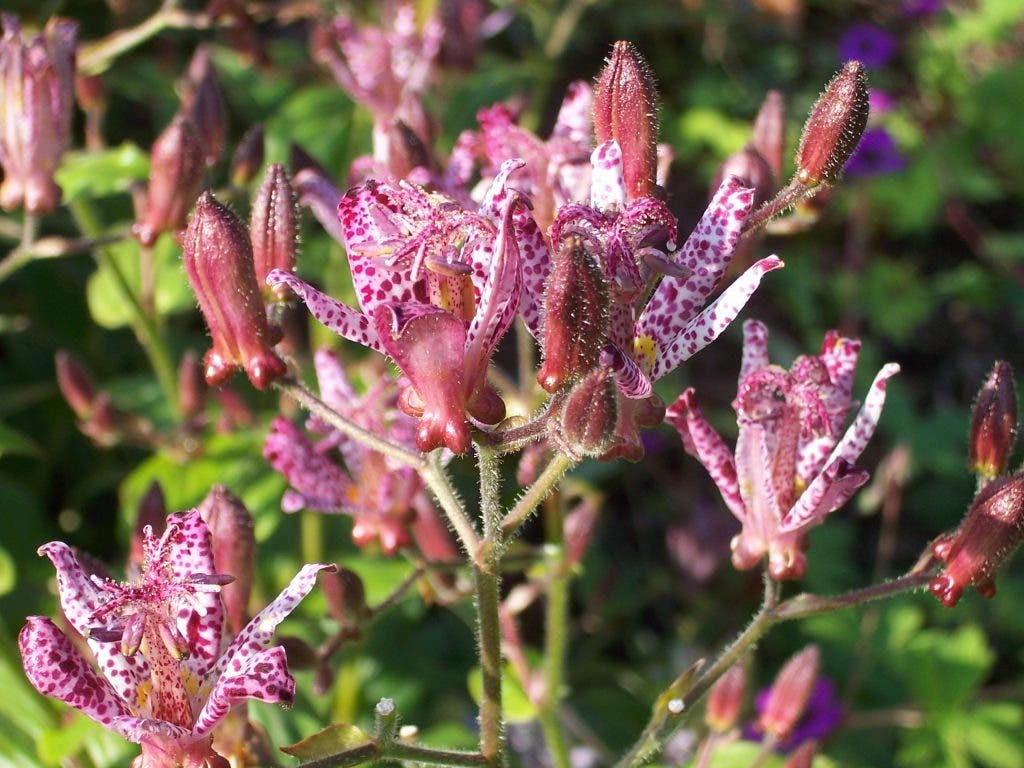

When you plan a new garden or just want to tweak an existing one, you should be thinking of the best way to attract wildlife and pollinators to visit your garden. By creating an area that attracts wildlife and helps restore habitats you will be creating your very own ecosystem.
The wildlife that we would most likely encounter includes birds, butterflies, small mammals, as well as many varieties of bees. By simply providing a few essentials such as food, water, cover and a place to raise their young, your property can qualify to become an official Certified Wildlife Habitat with the National Wildlife Foundation. Go to www.nwf.org, fill out the checklist, pay a $20 certification fee and you are eligible to erect a sign in your yard that certifies your property as a wildlife habitat.
Here are some basic guidelines to create a pollinator and wildlife friendly landscape around your home:
Find out what's happening in Hunt Valley-Cockeysvillefor free with the latest updates from Patch.
Plant Natives
Native plants have been proven to be four times more attractive to pollinators than non-natives, so your first choice should be plants native to our region.
Find out what's happening in Hunt Valley-Cockeysvillefor free with the latest updates from Patch.
Choose a Variety
Choose flowers with a variety of shapes and colors. This will provide food for different kinds of pollinators.
Host Plants
Don't forget to plant host plants for the larval stages. Caterpillars, butterflies and moths feed on the leaves and foliage of very specific plants.
Plant in Drifts
Pollinators are more likely to find their favored plants in gardens that provide larger drifts of color. When you purchase plants, be sure to get three or more and plant them together.
Succession of Bloom
Pollinators need nectar and pollen sources throughout the growing season so choose a variety of plants that will provide a constant show of flowers from early spring to late fall.
Avoid Modern Hybrids
Many garden plants have been manipulated for larger blooms and a show of color at the expense of scent and nectar production. When buying annuals, go for the older heirloom varieties.
Trees and Shrubs
Many woody plants provide early season nectar for pollinators and are the primary host plants for many moths and butterflies. Trees and woody shrubs also provide cover and a place to raise young. It is also important to provide nesting areas (brush piles and bare ground) for bees.
Garden Clean Up
Many beneficial insects “over-winter” in the dried stalks of plants. The seeds that are left will be welcome food for birds when their normal sources are gone. So, delay that cleanup until spring.
Water
Water is essential in the form of a birdbath or pond and a muddy spot provides an area where butterflies and bees can extract minerals from the soil. Attracting these beneficial insects to your vegetable garden will improve the quality and quantity of your produce in your vegetable garden.
And remember; do not use pesticides, as these can be toxic to a host of wildlife, both good and bad.
The following is a list of plants that are rich with nectar and pollen:
Ageratum
Butterfly Weed
Butterfly Bush
Coneflower
Cosmos
Clethra
Dogwood
Globe Amaranth
Hibiscus
Lantana
Pentas
Petunia
Plumbago
Phlox
Primrose
Marigold
Mexican Sunflower
Pansy
Salvia
Service Berry
Spice Bush
Verbena
Witch Hazel
Zinnia