Community Corner
Stink Bugs are Getting Ready to Invade
So prepare yourself by attending a free informative talk at the Agricultural Center.
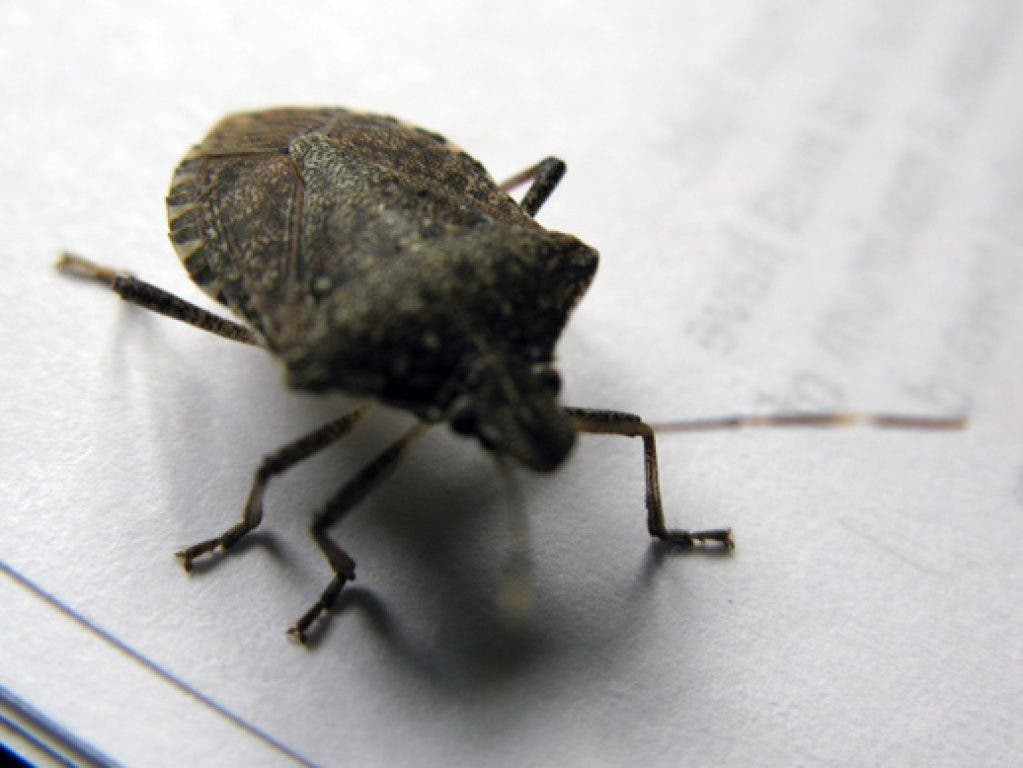
After last year's onslaught of stink bugs, Baltimore County residents are on guard waiting for the next strike.
Mention stink bugs to almost anyone and you get stories of annoyance and repugnance with having to deal with the invasion of their homes throughout the fall and winter. With the weather now cooling down, stink bugs are gearing up to begin their dreaded invasion to warmer areas, which, unfortunately, include your home.
But how bad are stink bugs really?
Find out what's happening in Hunt Valley-Cockeysvillefor free with the latest updates from Patch.
You can have all your concerns and questions answered by attending a free informative talk by Steve Allgeier, a University of Maryland Master Gardener Coordinator, on Thursday from 7–9 p.m. at the Agricultural Center.
Allgeier will be debunking some myths about the dreaded stink bugs. I was surprised by some of the interesting facts I learned from him.
Find out what's happening in Hunt Valley-Cockeysvillefor free with the latest updates from Patch.
Stink bugs have no physical capacity to sting or bite, Allegeier said. Their first line of defense is to release a horrible smelling chemical that gives them their appropriate name and annoys homeowners. And, they cannot cause any structural harm to your house.
Allegeier also added that the bugs don't carry disease and aren't resistant to pesticides.
The brown marmorated stink bug is not a native species. It was introduced from Asia to the United States and so has few natural predators, according to Allegeier. To add to the toughness of this species, an adult can live up to six to eight months.
"The good news is that last year there were two population spikes but this year because we had a cold, wet spring, there has only been time for one population spike," Allegeier said.
Allgeier recommends "common sense" strategies for removing the pests from your home.
"Try sealing them out by filling up cracks and openings that they can enter," Allgeier said.
He also encourages residents to spray them with insecticide, or a hard spray of the hose when they are seen congregating outside.
As to light and scented traps that exterminators will try to sell you on, Allgeir said that this is a "snake oil ploy." He said they simply "don't work and don't waste your money."
To reserve your seat for the talk, call 410-771-1761 or email infobcmg@yahoo.com. For further information, go here.