Crime & Safety
A Q&A With Firefighter Tommy House
A peak into the life of a local fire and rescue responder

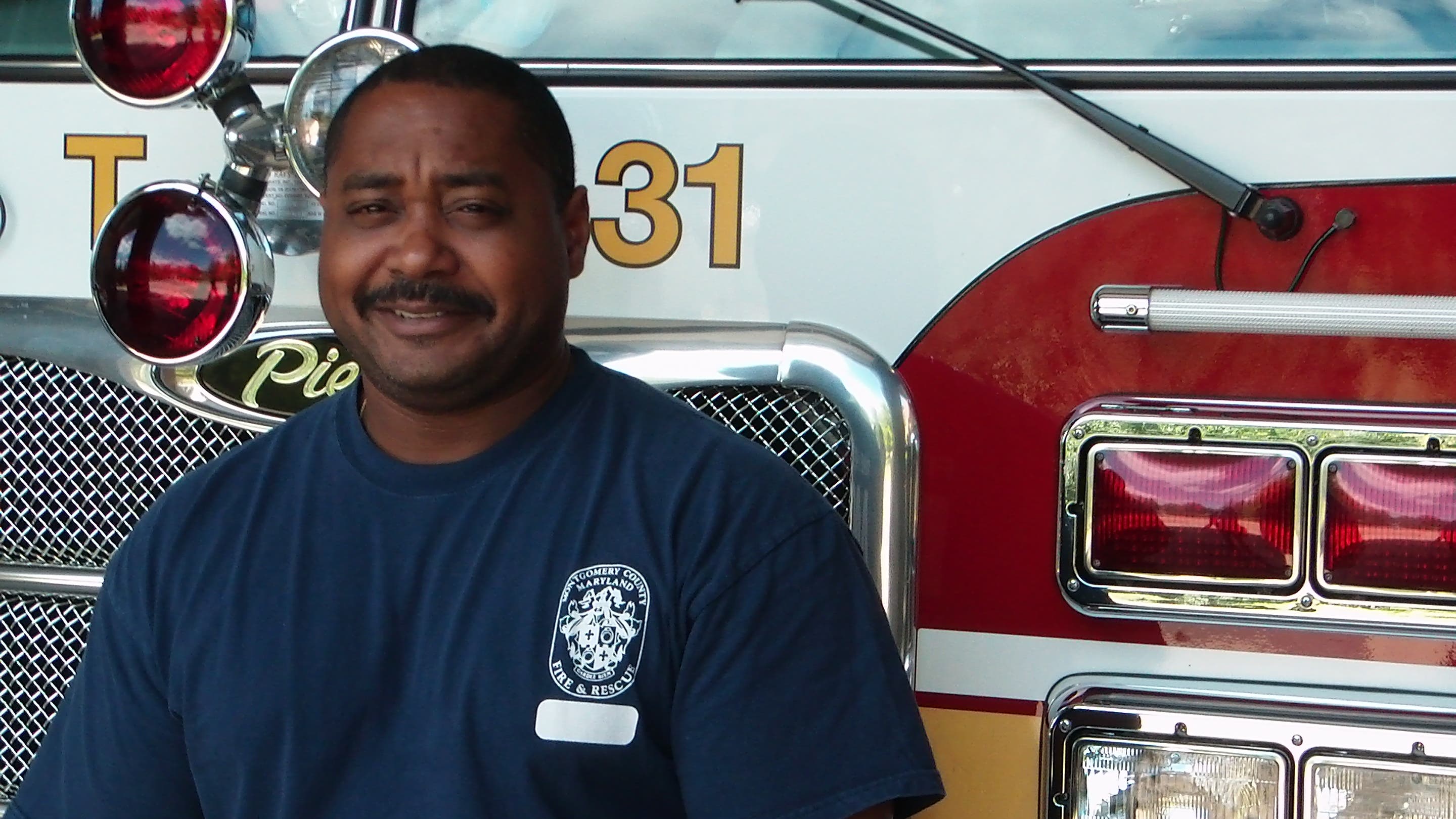

If you ever dial 911 in North Potomac or Darnestown, it's likely a fire and rescue responder will be sent from Fire Station 31 on Darnestown Road. Tommy House is one of the 23 firefighters who may be sent, depending on the type of services needed. House has been a firefighter for 23 years in Montgomery County and also serves on the Maryland Search and Rescue Team when activated by FEMA.
Patch recently sat down with House to learn about the life of one of our local heroes.
North Potomac/Darnestown Patch: Did you always want to be a firefighter?
Find out what's happening in North Potomac-Darnestownfor free with the latest updates from Patch.
Tommy House: Yes. I started out as a volunteer in high school and became a career firefighter. You don't have to be a volunteer to be a career firefighter. Basically, you take a test and you pass it. You move forward and you do an agility test, pass a physical and background check, of course. It gets sent to the training academy, which is down the street — police, fire and training academy. There, they would teach you firefighting, become an EMT, and your basic knowledge on different things, hazmat — enough to keep you out of trouble.
Patch: How long have you worked at this station?
Find out what's happening in North Potomac-Darnestownfor free with the latest updates from Patch.
House: I've been at this station about two and a half years. Before I came to this station, I was at the other specialty house [in Takoma Park], and then I came here.
Patch: Describe a typical 24-hour shift.
House: We have activities we do all during the day. We do drills. Besides running calls, we help each other out with different things. We go to bed roughly around 9 o'clock, and we get up when someone needs help.
Patch: What units do you have at this station?
House: We have an engine company, ladder truck, medic unit, recon unit, which goes on structural collapses, confined space and any technical rescue. We have a boat; we have a brush truck that goes on all brush fires and a tanker that carries 3,500 gallons of water.
Patch: Do you have a family, and how do they feel about you being a firefighter?
House: The wife is OK with it, because I was doing it before we met and got married. The kids, they love it. They're like, "Oh yeah, dad's a firefighter." One is a boy, and one is a girl. They understand when someone needs help that Dad's going to have to go.
Patch: What has been your most frightening experience?
House: I've been burned, been hurt a couple times. The most recent one was when they told me I might have to find another job because I got hurt. I messed up my back, and I was out of work for six months. We had a fire; it was early morning, raining; we couldn't see. Myself and another firefighter fell in a hole in the ground that a big dog decided to dig up in the backyard. We fell through it all the way up to our thighs. He needed surgery on his knee, and I was carrying a ladder, which came down on my back, and messed up my back.
I couldn't do anything, just sat around the house, went to therapy and went to doctors. They said they might have to do surgery, and, "You might not be a fireman anymore." In the end, another doctor looked at it and said it wasn't as bad as they thought.
Patch: What is the most common incident in this area?
House: Our normal incident here is just people setting off their smoke detectors or businesses setting off their alarms. We run those almost every day. And we get to a point where we know which ones are going to do it.
Patch: How often do you get a call?
House: This station runs anywhere from five to 10 calls a day; that's from the medic engine unit and truck. We can have slow days where we might go out once. That's a good day.
Get more local news delivered straight to your inbox. Sign up for free Patch newsletters and alerts.