Arts & Entertainment
A Bob Marley Playlist for Super Bowl Sunday, His 66th Birthday
In honor of the late reggae icon, I offer a playlist of my favorite Bob Marley and The Wailers songs.



Bob Marley is an international icon, no doubt about it. I love that he is a household name and his music plays in restaurants, concerts venues and homes around the world.
That being said, Bob Marley and The Wailers is one of those bands I enjoyed more and more as I explored its discography, something I wish all Marley fans would do. Hit songs like “Three Little Birds,” “No Woman, No Cry” and “Is This Love?” are all great songs, but barely scratch the surface of the lyrical and musical forces present.
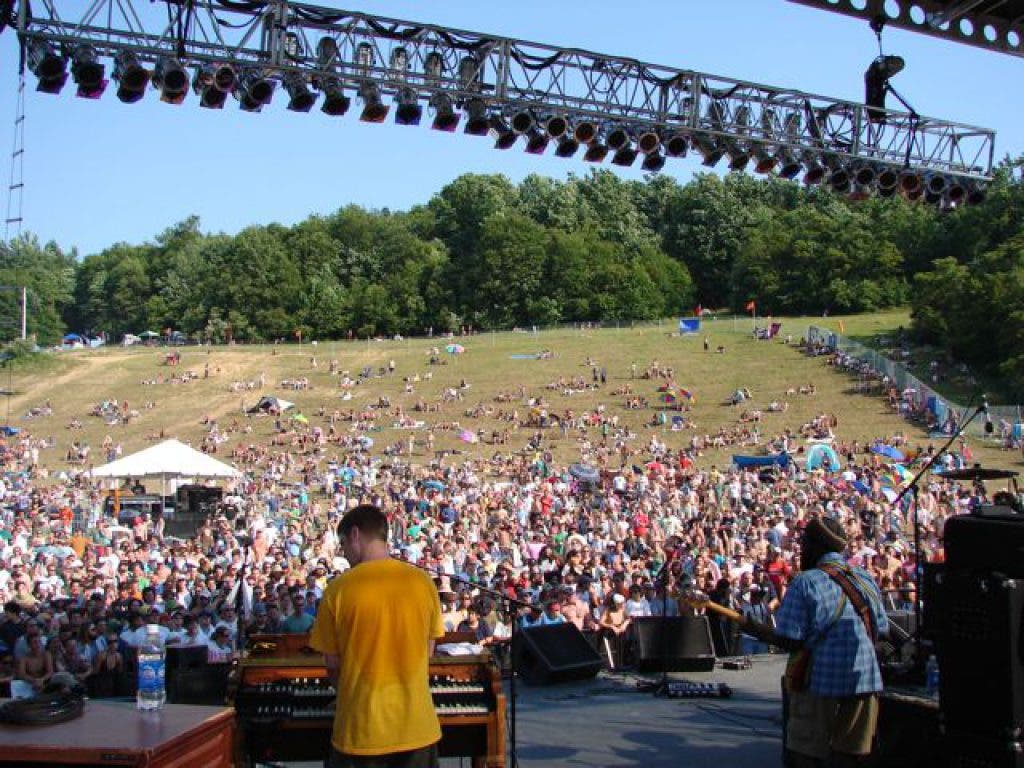
To this day, The Wailers tour with a variety of musicians from the Bob Marley days, including original bassist Aston “Familyman” Barrett. I spent a lot of time with the band when I was in college, going to every show in Maryland, Washington, D.C., and Virginia to take photos and interview band members and really dig into the music.
Find out what's happening in Owings Mills-Reisterstownfor free with the latest updates from Patch.
Making this playlist was tough for someone so invested in the music, so consider this my Bob Marley desert island mix. Without further ado, the playlist:
- Misty Morning (from Kaya): This song opens with what I feel is one of the most powerful horn lines in recorded music. Although the lyrics aren't as heavy in subject matter as other songs, the song has several Jamaican idioms such as "don't jump in the water if you can't swim."
- Concrete Jungle (from Catch a Fire): The raw sounds of the early Wailers can be heard in this song, which paints a dim portrait of life in Jamaica. It's off of the band's first Island Records album, Catch a Fire, and features original Wailers Peter Tosh and Bunny Wailer, both of which went on to have successful solo careers in reggae.
- Rebel Music (3 O’Clock Road Block) (from Natty Dread): This song discusses curfews enforced in Jamaica during violent times, but tells that story over one of the funkiest Wailers grooves in the catalogue. The back-up singers shine and a harmonica wails on this song.
- Positive Vibration (from Rastaman Vibration): An uplifting song asking people "Why not help one another on the way?" with a bouncy bass line to keep it moving.
- Roots, Rock, Reggae (from Rastaman Vibration): It's a song about dancing and listening to reggae with some great saxophone work. What's not to like?
- Crazy Baldhead (from Rastaman Vibration): "Baldhead" is a term Rastas use for people that are in opposition of the Rasta ideals and lifestyle and try to force their own onto the Rastas. The heavy bass groove of this song and auxiliary percussion hold it down behind lines like, "Hate is your reward for our love, telling us of your God above."
- Zimbabwe (from Survival): This powerful song was performed at a Zimbabwe independence celebration after the country, formerly known as Rhodesia, was granted independence from England. Its melodic bass line provides a fitting back beat for uplifting lyrics, which also nod to the sometimes militant Rasta attitude: "So arm in arms, with arms, we'll fight this little struggle, 'cause that's the only way we can overcome our little trouble."
- Babylon System (from Survival): Babylon, one of the most crucial Rastafari concepts, is the idea that human government and institutions are oppressive, to put it simply. Lyrics like "Bablyon system is the vampire, sucking the blood of the sufferer," are backed by Nyabinghi drums, beats sacred to one of the Rasta movement's strictest branches.
- Ride Natty Ride (from Survival): This song is a great example of reggae's ability to tackle an intense subject over a danceable song that you want to blast from your stereo on a hot summer day. The song paints a picture of Armageddon with lyrics like "'Cause now the fire is out of control, panic in the city, wicked weeping for their souls."
- Real Situation (from Uprising): Bob Marley was blunt in this song about the powers that be: "Well, it seems like total destruction, the only solution, and there ain't no use, no one can stop them now." It's another great example of reggae's genius by combining an inspiring melody with a serious subject.
- Zion Train (from Uprising): The bass lines on this song are some of my favorites; with funky melodies mixed up with different rhythmic subtleties.
- Trench Town (from Confrontation): This catchy song takes you back to Marley's roots in Trench Town, where they "free people with music," he sings. He captures the simple yet complicated life of living in Trench Town with his opening verse: "Up a cane river to wash my dread, upon a rock I rest my head, there I vision through the seas of oppression, don't make my life a prison."
I recommend checking these songs out for yourself, and if you get reeled in the way I did, read "The Book of Exodus: The Making and Meaning of Bob Marley and The Wailers' Album of the Century" by Vivien Goldman or "The Rastafarians" by Leonard E. Barrett Sr. Both shed great light on Marley and the Rastafari movement.
Find out what's happening in Owings Mills-Reisterstownfor free with the latest updates from Patch.
Get more local news delivered straight to your inbox. Sign up for free Patch newsletters and alerts.