Politics & Government
OPINION: What Makes for a Doomsday Budget?
Marylanders need to understand the magnitude of cuts on the table—as well as the revenue proposals up for debate—as our legislature goes back to work on the state budget.

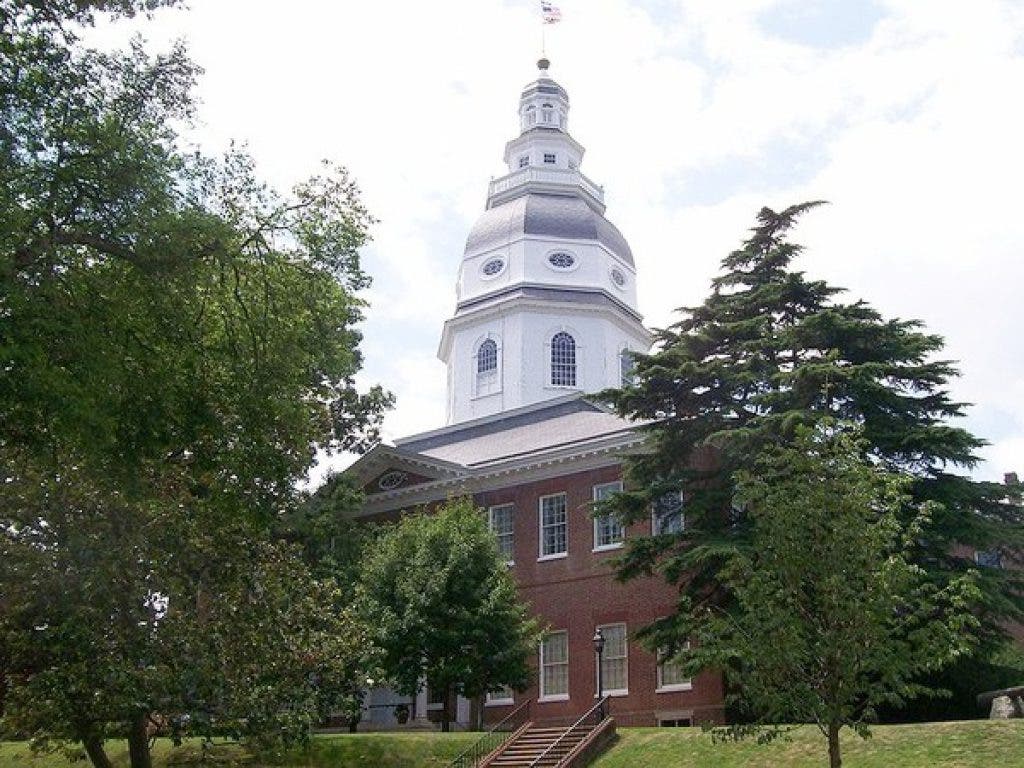
Since the Maryland General Assembly adjourned at midnight on April 9——there has been extensive debate as to where things really stand. With legislators reconvening today to assess the situation and consider alternatives, it is vital for all of us to understand the stakes.
By now, everyone realizes that the budget that ended up being approved on the last day of session was actually never meant to succeed. Legislative leaders introduced the "doomsday budget," which contains a host of unpopular program cuts, in order to pressure lawmakers to approve a range of revenue enhancements, as well as a shift of teacher pension costs to the counties. Here is a quick look at the package of cuts that make up the heart of the doomsday budget.
Find out what's happening in Perry Hallfor free with the latest updates from Patch.
- K-12 Public Education: $225.7 million (principally per pupil funding reductions)
- State Workforce: $78.8 million (elimination of COLAs, reduction of state funding for employee healthcare benefits, elimination of 500 jobs)
- Higher Education: $74.1 million (cuts to funding for public colleges/universities, aid formula for private colleges, aid formula for community colleges, and elimination of legislative scholarships)
- Across the board 8% State Agency Cuts: $50 million
- Supplemental Support for Local Governments: $31.6 million (disparity grants)
- Incentives for Economic Development: $25.4 million (elimination of certain tax credits for business activity)
- Healthcare: $21.7 million (funding cuts for support to the physically, mentally, and developmentally disabled citizens, cuts to benefit levels for foster care recipients, etc.)
- Public Safety: $20.8 million (elimination of Local Law Enforcement Grants)
- Libraries: $5.0 million (cuts to state library aide formula)
Total: $512.3 million
In considering the budget, neither chamber of the legislature viewed the cuts noted above as attractive. However, the state Senate and the House of Delegates ended up putting forward differing approaches to the budget, and consequently had . Unfortunately, when a consensus was finally reached, the extraneous issue of possibly expanding gaming in the state derailed this process.
Find out what's happening in Perry Hallfor free with the latest updates from Patch.
Essentially, this year's budget process (and the gambling entanglement) turned into a game of chicken, where in the end, neither player chose to flinch. As a result, we now face the prospect of living with a budget that doesn't really make anyone happy. I have even heard a number of Republican legislators publicly state that, even though they support state budget reductions in principal, they wouldn't have wanted to cut from most of these areas, but from others instead.
So, unfortunately, we are now left with a choice between: 1) living with an unpopular budget, which threatens the success of many essential programs, or 2) approving a modified budget that on certain Marylanders. Neither option is ideal. I think Marylanders would have been better served had the advice of Comptroller Peter Franchot been followed. He has repeatedly called for a "comprehensive and critical examination of both state spending and state revenue." Perhaps after this year's mess, this common sense idea might actually be put to good use.