Schools
TU's New Science Complex Opens
The new science complex includes 50 teaching laboratories, a planetarium, eight lecture halls, a rooftop greenhouse complex and more.
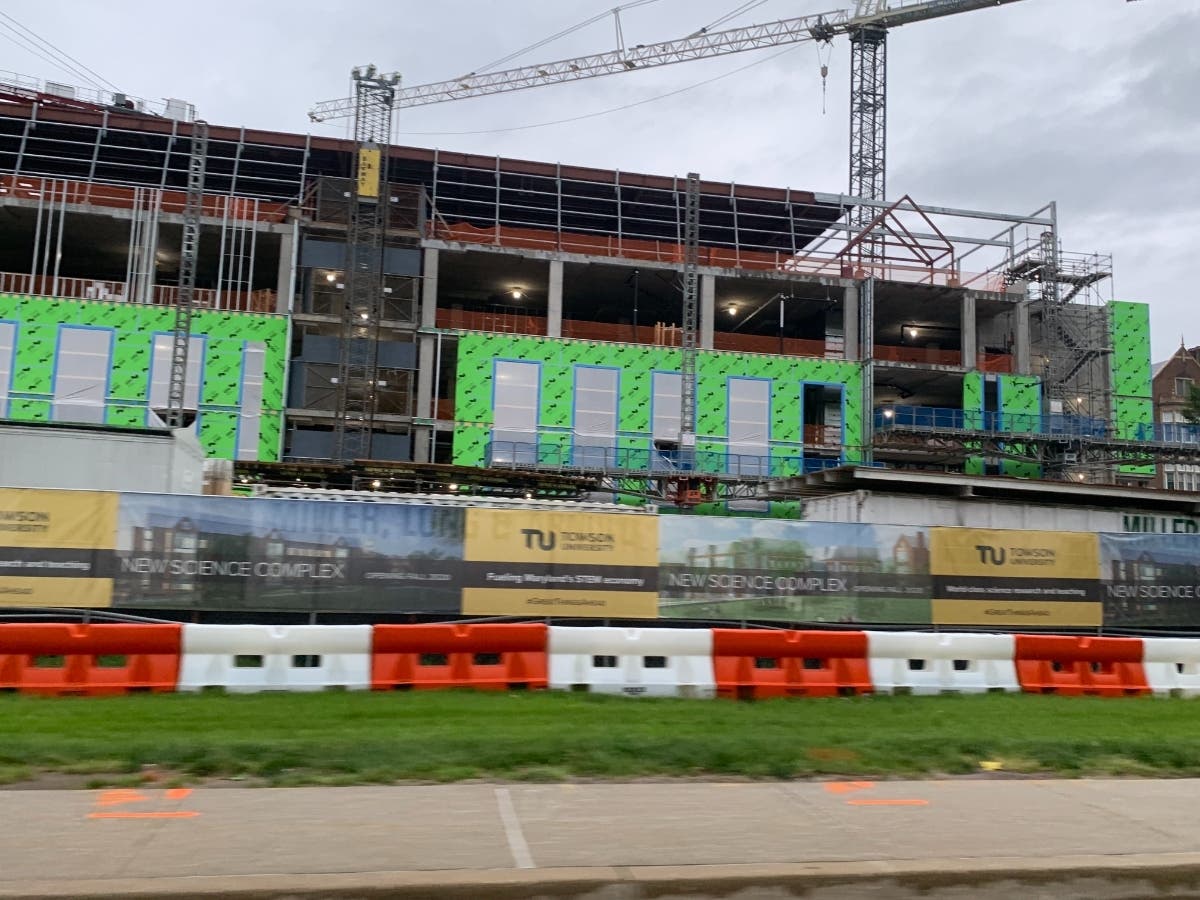
Press release from Towson University: By Cody Boteler
Students returning to Towson University for spring term will find that campus has grown by 320,000 square feet.
The Science Complex is now TU’s largest academic structure—significantly larger than Smith Hall’s 220,000 square feet. It includes 50 teaching laboratories, 30 research laboratories, 50 classrooms, eight lecture halls, 10 collaborative student spaces, an outdoor classroom leading to the Glen Arboretum, a rooftop greenhouse complex, a new planetarium and an observatory.
Find out what's happening in Towsonfor free with the latest updates from Patch.
“The completion of the new science complex marks the result of years of planning and effort from our faculty, staff and partners, including the University System of Maryland Board of Regents, Chancellor Jay A. Perman, Governor Larry Hogan and our state legislative leaders, who have shown unwavering support to this affirmation of TU’s impact on Maryland,” says President Kim Schatzel. “This impressive complex will bolster TU’s nationally-recognized STEM programming, and will enhance TU’s capacity to fulfill its promise as an anchor institution, supplying prepared leaders to meet Maryland’s workforce demands.”
Find out what's happening in Towsonfor free with the latest updates from Patch.
 The main atrium in the new Science Complex. (Photo: Alex Wright.)
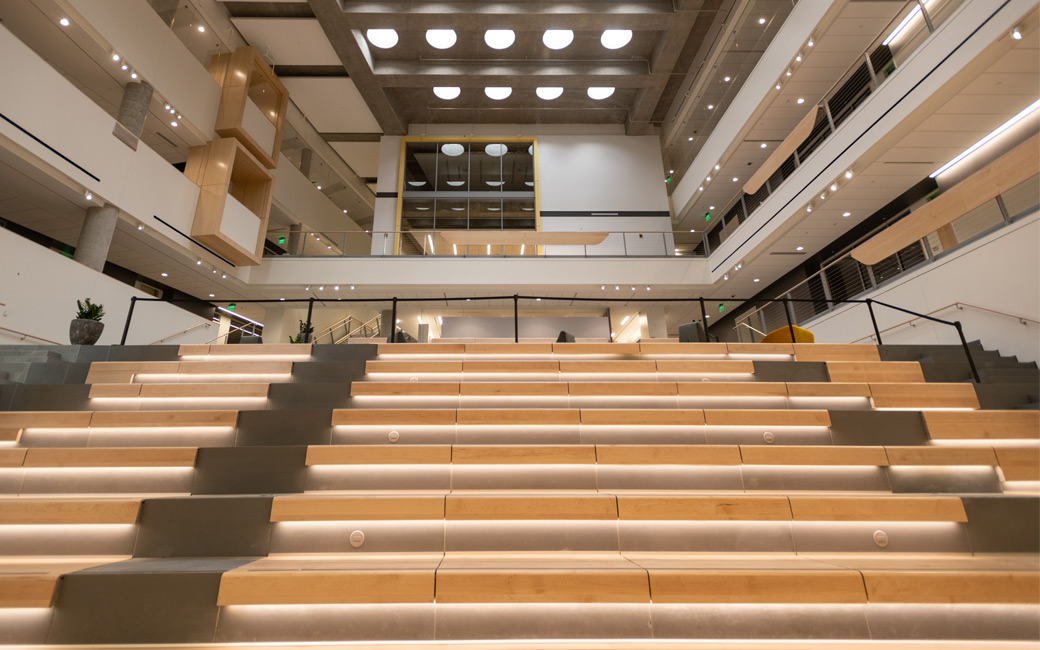 The main atrium of the new Science Complex, the Science Commons. (Photo: Lauren Castellana.)
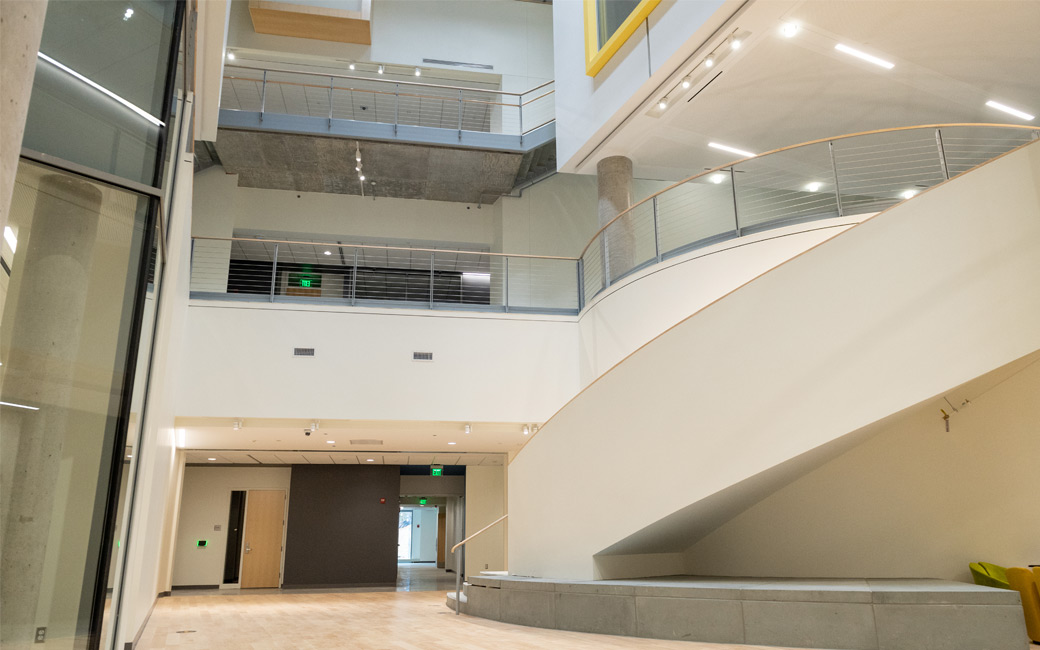
The new Science Complex has large windows in the ceiling that flood the building with
natural light. (Photo: Alex Wright.)
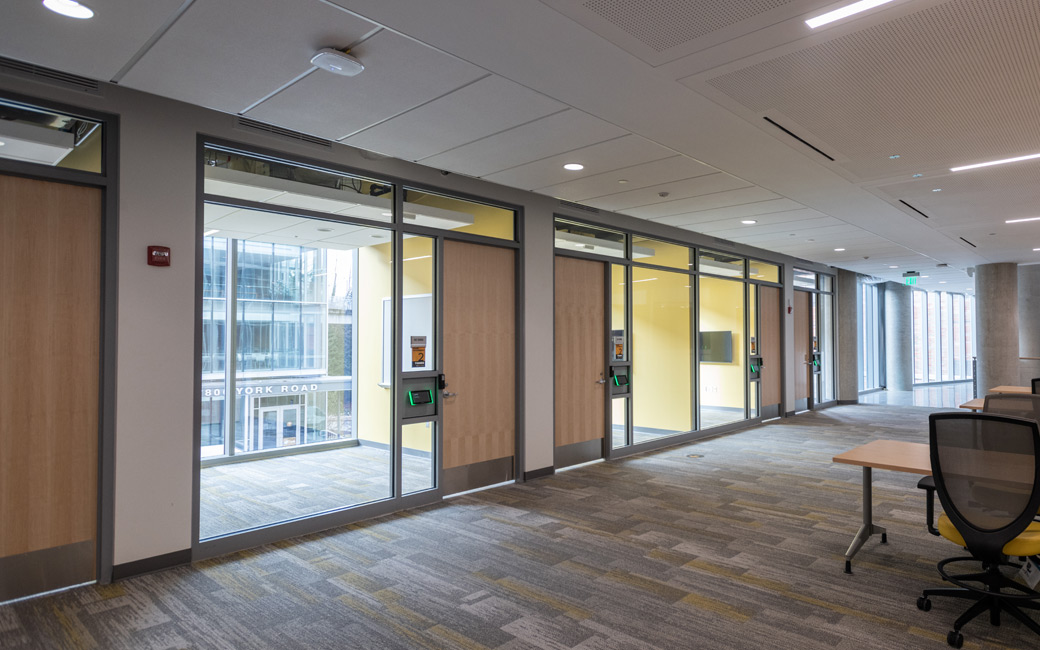
Reservable study rooms and study tables in the new Science Complex. (Photo: Lauren
Castellana.)
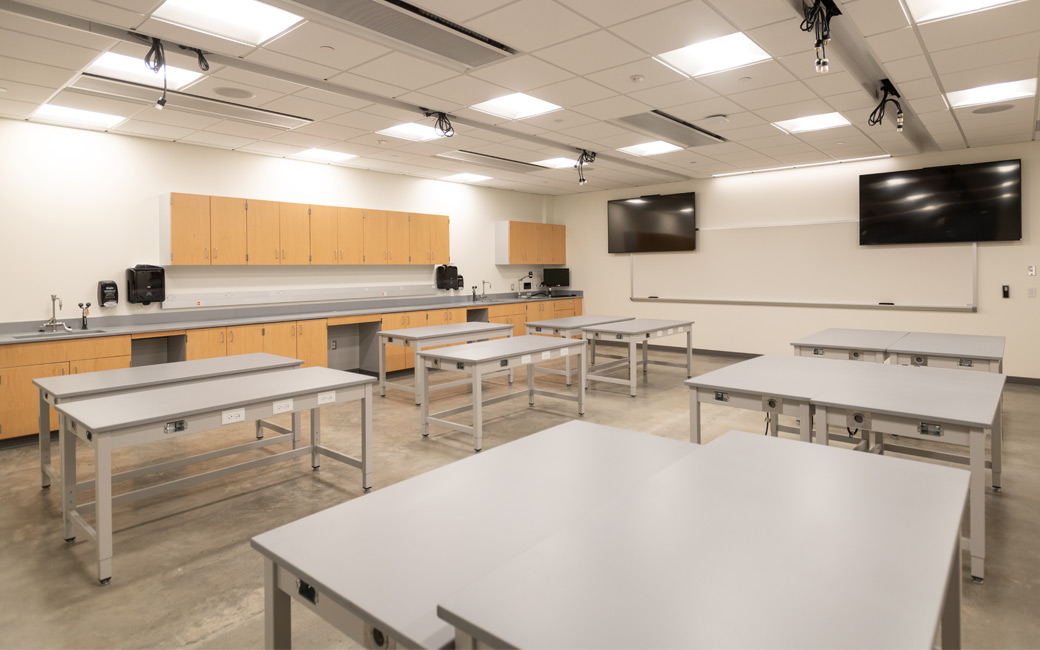
One of the dozens of teaching laboratories in the new Science Complex, outfitted with
state-of-the-art equipment. (Photo: Lauren Castellana.)
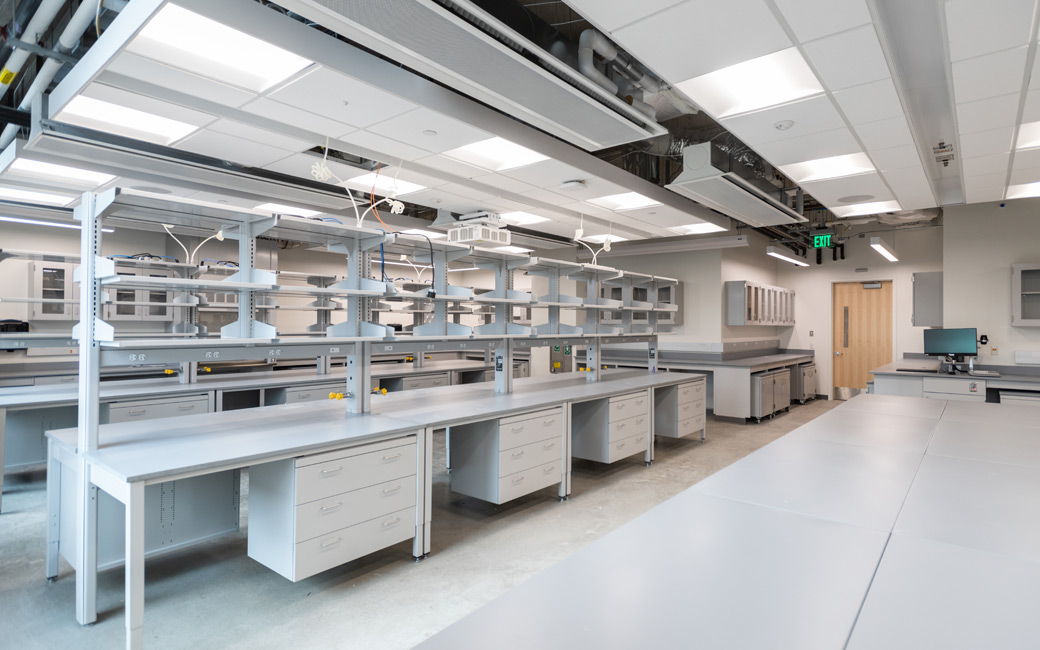
One of the many research laboratories in the new Science Complex. Some of the research
labs, like this one, are also have teaching equipment. (Photo: Lauren Castellana.)
The facility, made possible in part by generous state funding, supports TU’s rapidly growing Fisher College of Science & Mathematics (FCSM), which has swelled by more than 2,000 students since 1997.
“The old Smith Hall served our science departments well for 55 years, but it’s a 20th-century facility built mainly for teaching. The new Science Complex incorporates 21st-century design, layout, technology and research space,” says David Vanko, dean of the FCSM. “It’s what our faculty and students need and demand, and I’m excited that it will serve TU well for the next 55-plus years.”
Towson University’s investment in the Science Complex makes a strong statement about how important science education and research—at graduate and undergraduate levels—are to the university.
Further, it shows that TU, which aims to soon begin construction on a new facility for health care and health sciences classes, is committed to serving the state for generations to come.
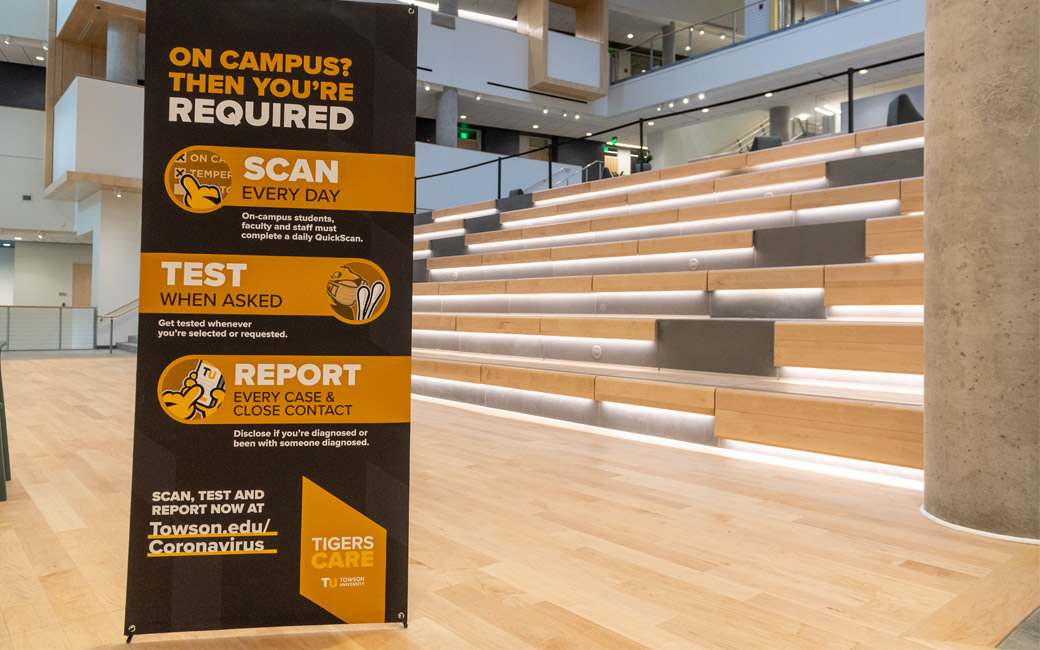
The “heart of the complex” is the Science Commons, says Vanko, a multistory atrium at the center of the new complex. It includes ample seating and work space, theater-style seating for presentations or events and access to a Student Success Center.
It is also a new gateway between the 7800 York Road Building and Stephens Hall.
The five-story building includes a nursing mothers’ room and gender-neutral restrooms
in addition to gendered ones. Lecture halls in the building have wide access ways
for ease of mobility. The building features large rain gardens for stormwater remediation
and the latest technology in its classrooms and laboratories, giving students the
tools they need for success.
PreviousNext
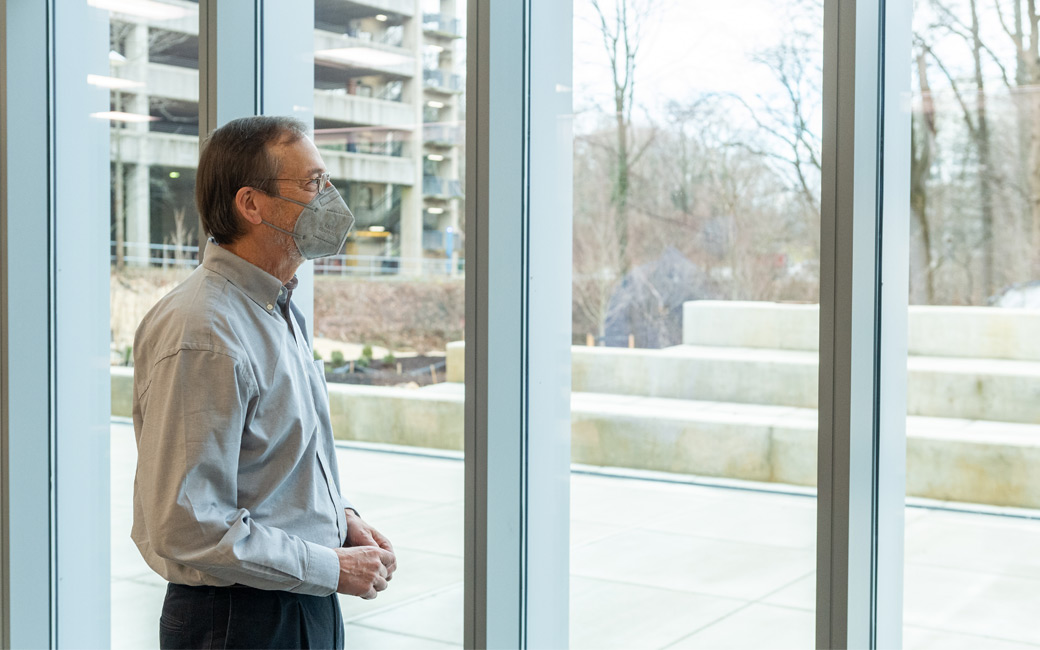 Dean David Vanko stands in one of the classrooms that face the Glen Arboretum in the
new Science Complex. (Photo: Alex Wright.)
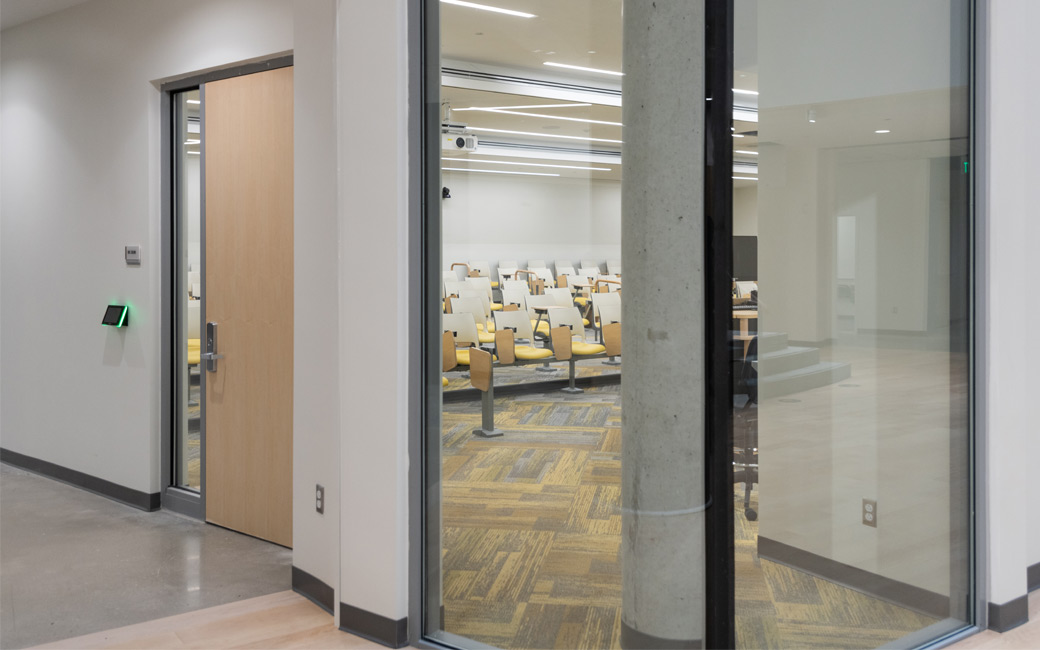 One of the lecture halls in the new Science Complex. (Photo: Lauren Castellana.)
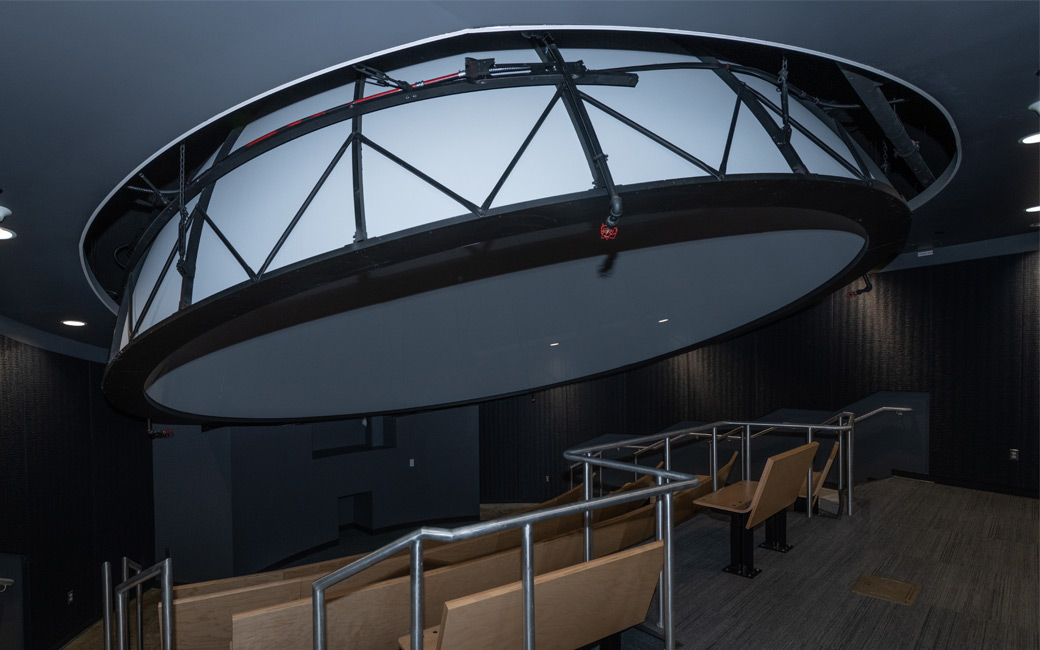
The new planetarium in the Science Complex is larger than the one that was in Smith
Hall. (Photo: Lauren Castellana.)
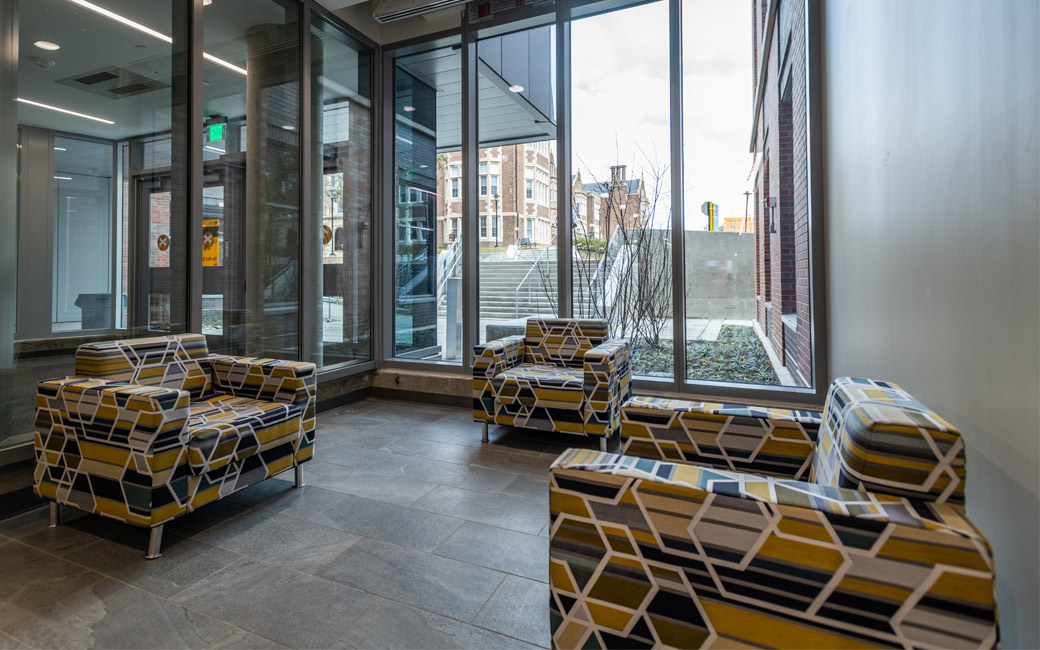
A seating area on the north end of the new Science Complex. (Photo: Lauren Castellana.)
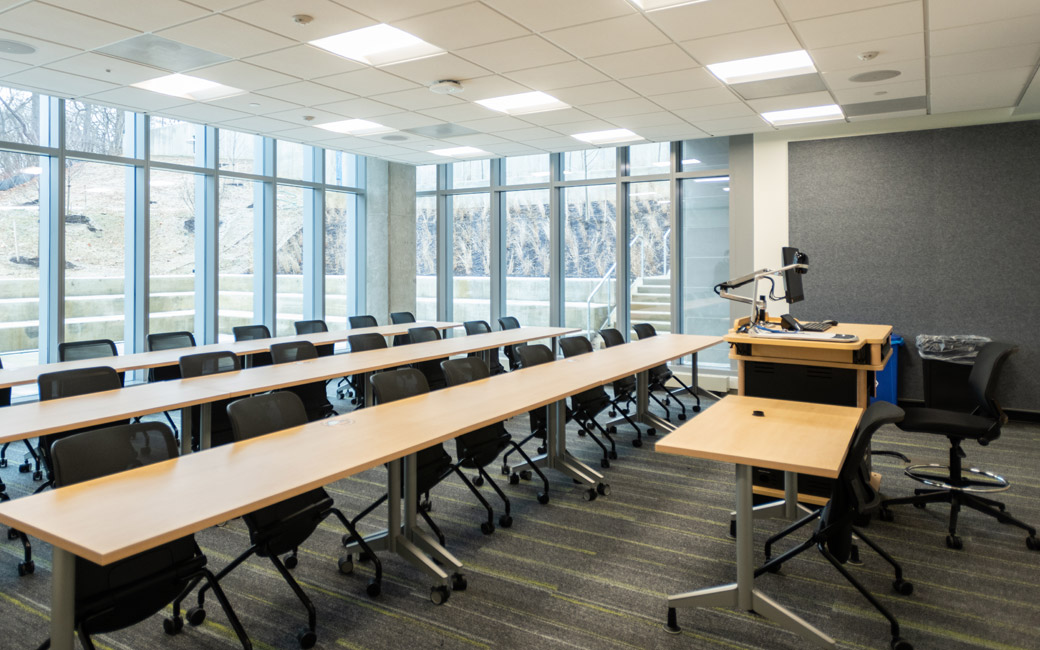
One of the classrooms in the new Science Complex with windows facing the Glen Arboretum.
(Photo: Lauren Castellana.)
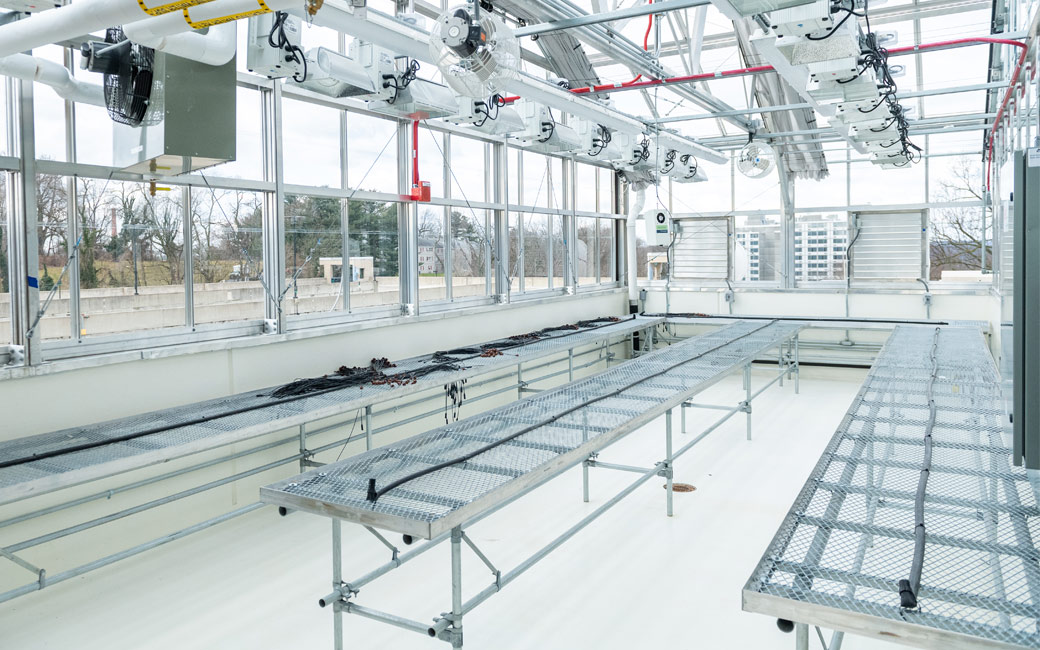
Part of the rooftop greenhouse complex that is on the roof of the new Science Complex.
(Photo: Alex Wright.)
Construction required the removal of 89 trees, which were replaced by 98 new trees. Among those removed was a large white oak, Maryland’s state tree. But the tree, which was about 80 years old, will live on in the new building, Vanko says. A ring slice of the trunk was preserved and will be installed on the third floor in an interactive space so students and visitors can trace history through the tree’s rings. It’s a potent symbol of the building’s connection to the Glen Arboretum, a living museum and classroom next to the Science Complex—and Towson University’s commitment to sustainability.
In addition to the outdoor classroom that leads to the Glen, multiple classrooms overlook the arboretum. Entrances on the building’s west side lead quickly to the Glen, allowing students and others to move easily from the new Science Complex directly into the forest and other parts of campus.
“The whole idea is that the Glen is an educational extension of the Science Complex,” Vanko says.
This story is one of several related to President Kim Schatzel’s priorities for Towson University: TU Matters to Maryland.
Campus construction
Learn more about ongoing construction projects on campus, including the Brand New U and plans for a new College of Health Professions building.
This press release was produced by Towson University on Feb. 9, 2021. The views expressed here are the author’s own.