Weather
Record El Niño Forecast May Have Big Effect On MA Snowfall This Winter
Find out what the typical El Niño winter entails for cold and storms along the East Coast.


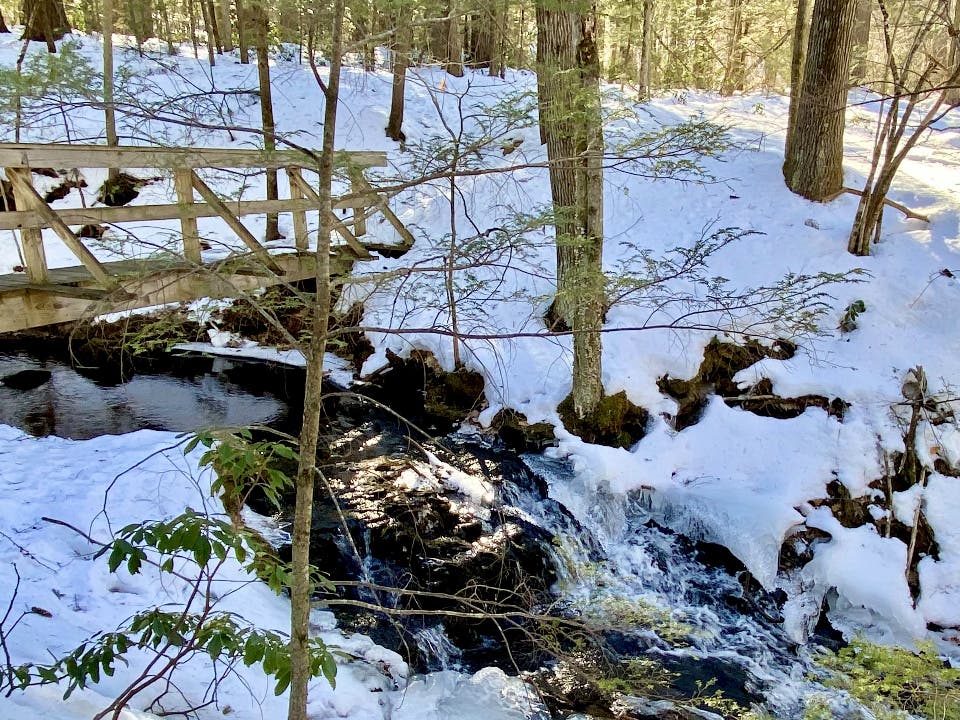
Massachusetts has been watching El Niño strengthen for months, and the latest in a round of 2026-27 winter forecasts confirms what others have said about the potentially record-setting climate pattern.
"This has the potential to be the strongest El Niño on record," AccuWeather Long-Range Expert Paul Pastelok said, noting it is "almost certain" to surpass the powerful El Niños of 1982-83 and 1997-98.
El Niño is expected to rearrange storm tracks across the country, generally favoring a more active southern storm track while bringing warmer conditions and less snow to large parts of the northern United States, AccuWeather said in its new 2026-27 winter forecast released Wednesday.
Find out what's happening in Across Massachusettsfor free with the latest updates from Patch.
Much of the Northeast, Midwest and Northwest is forecast to receive less snow than average.
Below-average seasonal snowfall does not rule out a major snowstorm in the East. The Northeast could still experience a significant storm during the middle or latter part of winter, which could boost seasonal snowfall totals.
Find out what's happening in Across Massachusettsfor free with the latest updates from Patch.
"While we are forecasting below-average snow, it only takes one storm to flip the script, especially for the East Coast cities," Pastelok said. "So that is something we have to watch, especially as we get into late January and February."
The broad pattern is consistent with what federal forecasters have been watching for months. The National Oceanic and Atmospheric Administration said in September that El Niño was strengthening, with a greater than 90 percent chance it would become a very strong event during the fall and winter. NOAA put the chance of a historically strong El Niño during October through December at 75 percent.
El Niño develops when unusually warm water in the equatorial Pacific changes atmospheric circulation and storm tracks thousands of miles away. During winter, it often pushes the main storm track farther south, increasing precipitation across parts of California, the Southwest, Gulf Coast and the Southeast while tilting the northern tier toward warmer conditions.
That does not mean every week of winter will follow the script. Cold outbreaks and major snowstorms can still occur in areas expected to finish the season warmer or less snowy than average.
AccuWeather forecasters said the 2026-27 snow map may look almost like the reverse of last winter. The Sierra Nevada, Great Basin and central and southern Rockies could get an early start to the snow season.
The Plains may start winter relatively snow-starved before the storm track shifts later in the season, increasing snow chances in January and February. Even in the Northeast, where seasonal snowfall is generally expected to run below average, one or two major storms could substantially change final totals.
Winter Across The U.S.
If you're planning to travel this winter, here’s what AccuWeather forecasts for the rest of the country:
Midwest and Great Lakes: A warmer start to winter could limit early lake-effect snow. Colder outbreaks and more lake-effect snow remain possible later in the season.
Plains: Snow may be limited early in winter, with better chances in January and February. Parts of the southern Plains could be cooler than average.
Southeast and Mid-Atlantic: Wetter-than-average conditions are favored, with some snow possible in the southern Appalachians. Severe thunderstorms and tornadoes also could be a concern.
California, Southwest and Rockies: Repeated Pacific storms could bring heavy rain and mountain snow, especially to California and the central and southern Rockies. The Southwest may turn cooler and wetter later in winter.
Pacific Northwest and Northern Rockies: The region may see more dry stretches, with below-average snowfall favored overall.
Get more local news delivered straight to your inbox. Sign up for free Patch newsletters and alerts.