Health & Fitness
Spring Is Here and So Are The Ticks
Dr Karen Geissert of Acton Animal Hospital writes about topics of interest to pet owners in the area.
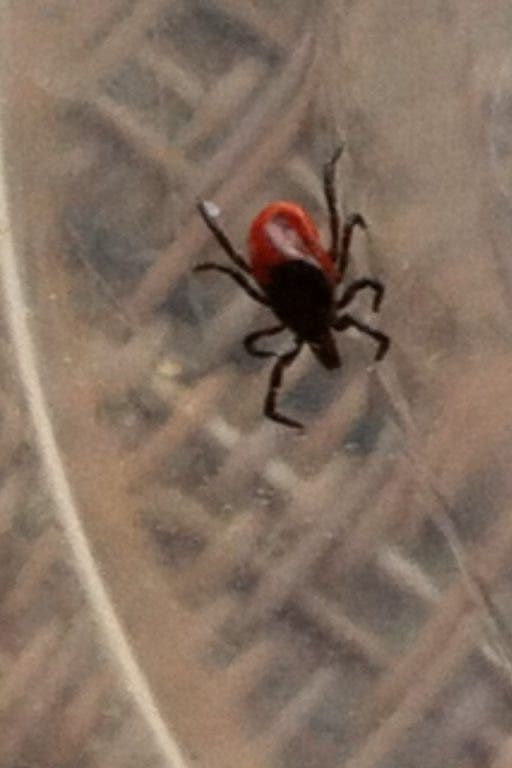
Our early spring weather is causing some serious concerns about tick diseases both for people and pets. Most people are aware of the risks of Lyme disease in people and in pets. However, many may not be as aware of the other potential diseases caused by a variety of ticks found in the northeastern U.S.
Lyme disease, Anaplasmosis, and Babesiosis are all transmitted by tick bites from the Black Legged tick (Ixodes scapulais) commonly known as the Deer tick. Other tick-related diseases are also emerging in the pets that are moving around the country and pet shelters that are transporting local pets from various regions to the northeast. Ehrlichiosis and Southern Tick Associated Rash illnesses are two diseases that have greatly increased in numbers. Both of these are transmitted by the Lone Star tick (Amblyomma americanum). Rocky Mountain Spotted Fever is transmitted by the American dog tick (Dermocentor variablis) and the Brown dog tick (Rhipicephalus sanguineus). Tularemia can also be transmitted by the American dog tick.
The Center for Disease Control (CDC) reports 35,000 human cases of Lyme disease per year in the U.S. Ehrlichiosis has also risen dramatically from 200 reported cases in 2000 to 957 cases reported in 2008. Cases of anaplasmosis tripled in the same time period.
Find out what's happening in Actonfor free with the latest updates from Patch.
Symptoms in Pets
Likewise, the number of cases of tick diseases has also dramatically increased in our pets. Clinical signs of tick diseases can be mild to severe. Our animal patients show the following signs: lethargy, muscle aches, joint pain /swelling, and fever. We usually do not see skin rashes. Anaplasma and Ehrlichiosis can cause changes in the blood, resulting in problems.
Find out what's happening in Actonfor free with the latest updates from Patch.
What can we do to decrease the risk of acquiring tick bites for ourselves and our pets?
• avoid wooded areas and areas with high grass or brush
• protect skin by wearing long-sleeved shirts and long pants in tick infested areas
• spray insect repellent on shoes and socks
• inspect yourself and family members each time you are outdoors in tick infested areas
• protect household pets from tick infestation
How to Protect Your Pet
• protect pets with an acaricide pesticide product (a type of pesticide that kills ticks) on a regular application schedule. Spot on products such as Frontline and Advantix are specific products we recommend and carry at Acton Animal Hospital.
Frontline is safe for both cats and dogs. Advantix is limited for use on dogs only. We believe these products to be safe and effective.
• inspect your pets daily for ticks. Remove any ticks that are found.
• reduce tick habitats in your yard
• avoid taking your pets into the tick infested environments, especially during highly prevalent tick periods such as early spring and fall. Ticks thrive in wet and cool conditions.
If you have any concerns about the safest way to protect your pets from ticks, please contact me: actonanimalhospital@comcast.net.