Health & Fitness
Parsley: More than just good looks
This leaf-green herb is known mostly as a garnish used to make other food look good. Let me show you how using parsley in your cooking can make your food taste great.
Whether you use the American pronunciation with a silent “h”, or the British version with the “h” being pronounced, herbs can bring wonderful freshness and flavor to your cooking. Some of the most popular herbs I use include parsley, sage, rosemary and thyme ("Thank you, Simon and Garfunkel."), basil, mint and dill.
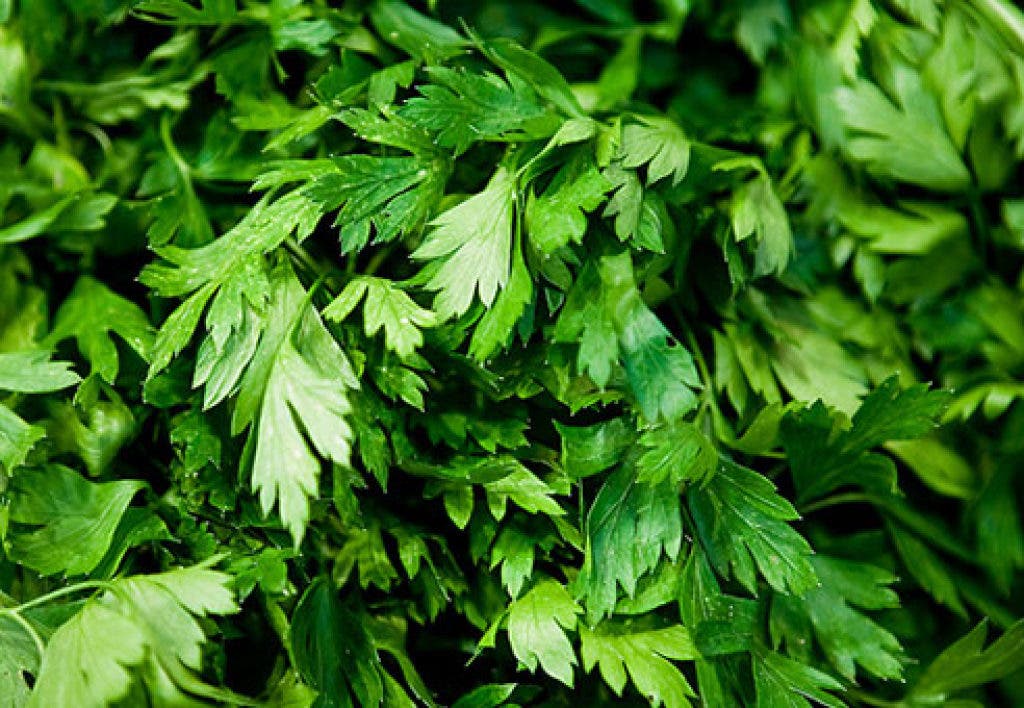
Your list will differ according to your tastes; however, once you experience their ability to elevate simple recipes from good to great, you’ll want to use them all the time.Today, I’m going to focus on one of my favorite herbs that I use almost daily: parsley. Don’t be fooled. This sometimes under-appreciated little beauty can play a much larger role than that of a decorative garnish positioned next to the entrée on your plate at a restaurant. Its vibrant green color, light aroma and fresh taste make it a welcome ingredient in many recipes.
There are more than 30 varieties of parsley; however, the two most commonly used are curly-leaf and flat-leaf (also known as Italian). Flat-leaf has more flavor and is preferred by most cooks. I love using it because it is so versatile. It enhances the flavor and adds color to just about any dish, is available year-round and stores easily. When selecting it, look for bunches that are bright-green and full, showing no signs of wilted or discolored leaves. Once you get it home, take off the binding (rubber band, twist-tie or string), shake off the excess water, wrap loosely in paper towels and pack in a plastic bag. It will stay fresh for about a week in the refrigerator. When you’re ready to use it, just pull some stalks from the bunch, rinse them well under running water to remove any dirt or sand, dry them with paper towels or a salad spinner and you’re ready to go. Although I love to use parsley frequently, I don’t particularly enjoy chopping it up. Here’s a great way I have found to make this step very simple. Since I use the leaves for cooking, I pull them off the stems; however, I don’t throw the stems away. They add great flavor to soups and stocks, so I put them in a plastic bag and freeze them for the occasion. Then, I gather the leaves into a tight, little ball, then (carefully) draw my knife through it from one end to the other. This makes it a lot easier than chasing the loose leaves all over the cutting board.
Find out what's happening in Andoverfor free with the latest updates from Patch.
Note: This cooking technique is called Chiffonade (French) pronounced, shif-uh-nahd, in which herbs are rolled and cut into thin strips. "Chiffon" is French for "rag" referring to the fabric-like strips that result from this technique. To chiffonade simply means to turn into rag-like strips. Please feel free to throw this term around while you are cooking. It will impress your friends.
You can add parsley to some of the following foods just before serving including cooked rice, pasta dishes, steamed vegetables, baked fish, stews, potatoes and chicken dishes. The possibilities are limited only by your imagination. If you have any chopped parsley left over, just put it into a plastic bag and freeze it for another time.
Find out what's happening in Andoverfor free with the latest updates from Patch.
One more thing: Parsley is a natural breath freshener. If you have had a meal with onion or garlic, don’t worry if you can’t find the mints. Eating some fresh parsley can help freshen your breath because it is a good source of chlorophyll, a compound thought to have anti-bacterial properties.
If there are any herbs you particularly enjoy cooking with, let me know. I could share your suggestions in a future post.
Until next week, happy cooking!