Health & Fitness
Cider Donuts and Health Care
A trip to an orchard on Columbus Day weekend led to some exceptional taste delights and unexpected ponderings.
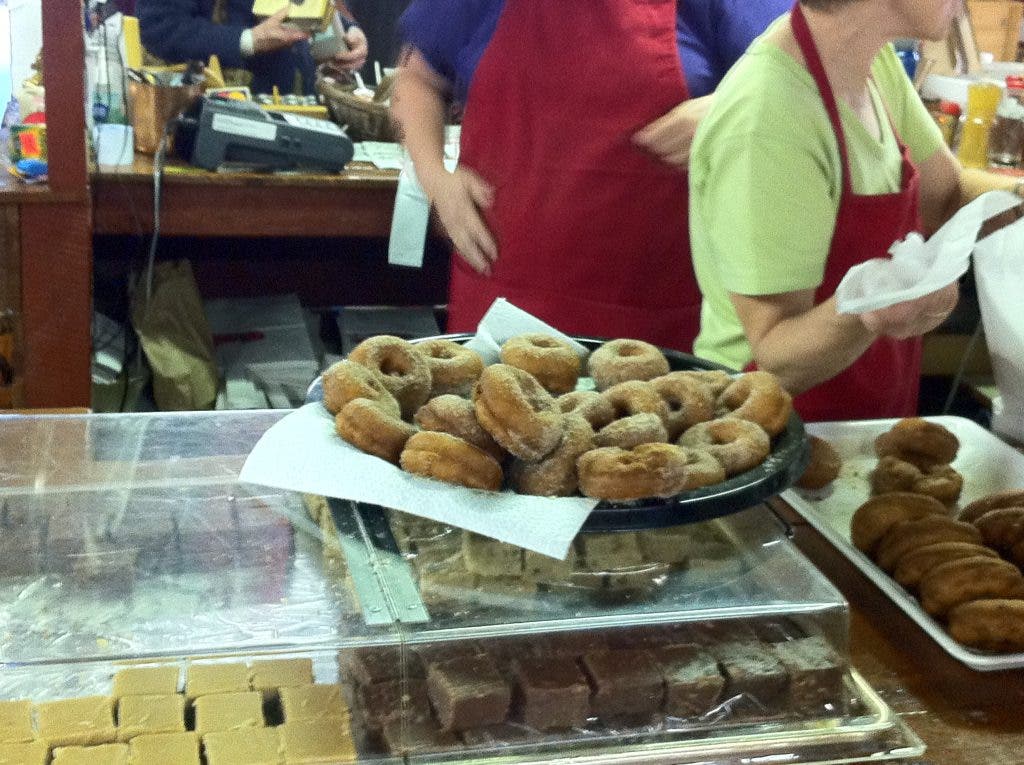
Fall in New England. Autumn colors. Golden sunlight. Cider donuts.
That’s right—cider donuts!
Since fall began, I’ve had a desire for some of those good old-fashioned October taste delights. And it’s one of those simple pleasures that we Arlingtonians can access pretty easily.
Find out what's happening in Arlingtonfor free with the latest updates from Patch.
This past Columbus Day weekend, my wife and I headed off to visit our favorite orchard out in Stow, Mass.—Honey Pot Hill. As we headed down the familiar backcountry road that led to the orchard, we encountered a traffic jam that was at least a mile-and-a-half long.
So what did we do? We turned around and headed out towards another orchard that I knew about—not knowing if they would have those delicious donuts, or if they had them, would they be anywhere near as good as Honey Pot’s.
Find out what's happening in Arlingtonfor free with the latest updates from Patch.
Well, on our way we encountered another sign for a different orchard, Carver Hill—one that I had known about for years, but had never visited. We turned in and headed down a meandering road alongside a river.
As we continued up the drive to the farm stand, the aroma of apples greeted us. Then we saw groups of families and children playing in the sun. All supremely picturesque. And finally—there they were! Trays of cider donuts being made fresh on the premises.
And here’s the interesting thing. These were the best cider donuts that we ever had. And we washed them down with the best apple cider that we’ve ever tasted.
OK—so why am I telling you all of this?
Oddly enough, it paralleled what I’ve been observing in the healthcare industry. Clearly, there is a demand for good, effective health services. Most folks head directly to their local hospitals, primary care physicians, and so on. And that’s fine. It’s their choice.
However, they may not realize there are alternatives which may serve their needs more effectively.
But as more and more studies are showing, some of those alternatives are delivering thought-provoking results—results that indicate the direct correlation of an increased spiritual thought to health and well-being.
In a recent article on Fierce Healthcare Daily News (“Hospitals offering alternative medicine tripled, based on patient demand”), Karen M. Cheung wrote that a new report by the American Hospital Association’s Health Forum and the Samueli Institute found that 42 percent of hospitals are now providing complementary and alternative medical services.
"The reasons hospitals choose to offer CAM services is quite revealing," states the report. "Patient demand (85 percent) is by far the primary rationale in offering these services." Seventy percent of respondents said they find alternative medicine to be clinically effectively. Many hospitals (58 percent), including faith-based organizations, also said that caring for the "whole person" was part of their organizations' missions.
There it is. The demand for a different approach increases with the simple awareness that other viable methods can meet the needs of patients.
And just like we found that second orchard to be better for us, so too, many may find thought-based health approaches to exceed their current expectations.
Cider donuts, anyone?