Health & Fitness
What image of ourselves are we accepting?
CNN had an interesting piece on surgical procedures for obesity in teens. Are there other options?
In a CNN Health blog (“Surgery is no quick fix for obese teens” June 22, 2011) Anne Harding reports on new surgical procedures to help teens who are seriously obese – a degree of obesity that engenders significant health-related problems.
Ms. Harding details the pitfalls and challenges of undertaking such medical intervention. Prospective patients need to be of a particular age, be willing to make significant life-style changes, have the support mechanism of a committed family, as well as have the means to pay the out-of-pocket costs of between ten and twenty thousand dollars.
There are fewer than 1,000 procedures of this type for teens done per year in this country, but the phenomenon is growing. It pales, however, when compared to the numbers for our adult population – 200,000-250,000!
Find out what's happening in Arlingtonfor free with the latest updates from Patch.
I would venture to say that a percentage of our fellow Arlingtonians are dealing with overweight and obesity issues.
But I have to ask this question: How much of it is due to our own concept of ourselves – of how we see ourselves, of how we perceive our image?
Find out what's happening in Arlingtonfor free with the latest updates from Patch.
Perception may very well often be at the root of it.
I was an obese child. I lost weight and regained significant amounts of it later in life. There was a history of obesity in my family. About 11 years ago, I was up to 225 lbs – a lot for someone that’s 5’6’’! I lost about 80 lbs over a couple of years and have pretty much maintained that weight.
How did the change come about?
It began first and foremost by gaining a different concept of myself – a different, more spiritual view of my identity, of my image.
And I realized that I did not need to think of myself as someone with a personal and family history of this problem. With that came a new sense of freedom and a letting go of all the old limitations that had been associated with the weight issues.
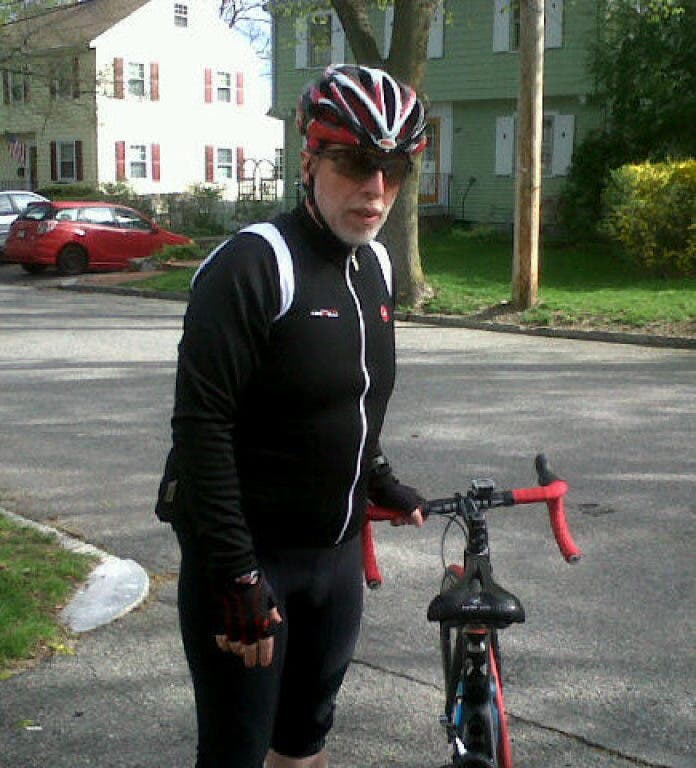
My desire to eat large amounts just naturally dropped away. I became more active in my life. I took up bicycling and about 50,000 miles later am still an avid cyclist. All life-style changes to be sure – but changes that began with that shift in my thought about how I identified myself.
Will this work for everyone? I don’t know. But I do know that it’s a lot safer and more satisfying than what Ms. Harding described.
Think about it.