Traffic & Transit
Op-Ed: Partnering In Arlington For Better Bus Transportation
Town Manager Adam Chapdelaine and Planning Director Jennifer Raitt discuss what was learned from the priority bus pilot and what's next.


ARLINGTON, MA – The following op-ed was submitted by Town Manager Adam Chapdelaine and Director of Planning and Community Development Jennifer Raitt.
One year ago, Town leaders embarked on the tall task of improving the morning commute in Arlington with an emphasis on priority for buses. The hope was that a bus pilot project could ease travel for thousands of commuters through what has become the picture-book definition of gridlock every weekday morning along Mass Ave in East Arlington. Now recently completed, the pilot was successfully implemented with the help of regional partners and preliminary data shows it lived up to the promise of speeding bus passengers through this major knot of congestion.
Multiple Town departments worked with the City of Cambridge, the Massachusetts Department of Conservation and Recreation, and the MBTA to successfully secure a $100,000 grant from the Barr Foundation in support of implementing bus priority for routes 77, 79, and 350. The Town hired VHB, a professional engineering firm, and was able to pay for added DPW and Police staffing costs in order to execute the pilot. The multi-disciplinary team of public and private partners committed to making the roadway safer for all and to test bus rapid transit (BRT) elements that might endure beyond the one-month pilot.
Find out what's happening in Arlingtonfor free with the latest updates from Patch.
Funding was only one part of making the pilot possible. Community engagement was a
cornerstone in advancing both the process and the outcomes. From May through November of
2018, this included three community-wide forums, multiple meetings with business and
neighborhood leaders in East Arlington, surveys utilizing online tools and via social media, and
education and awareness about the pilot. The first forum was educational in nature; the second
reviewed multiple design options and interventions along the pilot corridor.
Once the pilot was running, we fielded comments, questions, and concerns, making minor
adjustments to pilot operations along the way. We also learned quite a bit once the pilot was in
progress. This led us to make some decisions about pilot elements that could remain. In particular, we considered elements that provided priority for buses, an improvement to the overall commute, and the ease with which they could be implemented.
Find out what's happening in Arlingtonfor free with the latest updates from Patch.
The pilot included the following elements: relocation of the bus stop to the far side of the Mass
Ave and Lake Street intersection; transit signal priority and a queue jump at the same
intersection; the repurposing of parking spaces from 6:00 a.m. to 9:00 a.m. for a dedicated bus
and bike lane from the intersection of Mass Ave and Varnum Street to the Alewife Brook
Parkway; and traffic signal and lane changes at the intersection of Mass Ave and Alewife Brook
Parkway.
What have we learned from the pilot? While we knew that the current roadway setup does not
meet the needs of the community, the pilot made this more obvious. Cars continue to take
priority on Mass Ave and we have more work to do to improve the bus as a viable transit option.
Moving forward, all elements of the pilot except for the dedicated lane will remain in place with
no interruption. Cambridge will be conducting additional planning work at the Mass Ave and
Alewife Brook Parkway intersection. The Town will also install signal priority for buses at two
other intersections along Mass Ave.
And as for the future of the dedicated lane? It was an overarching success. MBTA data and rider
experience surveys showed that the pilot reduced travel times by 6-10 minutes and improved
reliability for bus riders, which surpassed our expectations for the overall time savings that the
pilot would achieve. The BRT experience was overwhelmingly positive with 95% of riders wanting
the dedicated lane to remain permanent. We had very positive feedback from bus riders and
people bicycling. These are extremely impressive statistics from a pilot project that cost a fraction
of a major road infrastructure project, and was implemented in a fraction of the time. Bus lanes
and other bus-priority measures are the most cost-effective way to make bus service faster and
more reliable.
Community dialogue about the pilot helped us to strike a balance between local business needs
and the needs of commuters. The dedicated lane improved how Mass Ave functions for bus
riders and bicyclists and had a low impact on vehicle traffic compared to typical conditions. It also
had little impact on street parking due to low utilization during the morning rush hour. While the
Town will be continuing to evaluate the pilot, we are exploring ways to make the lane a
permanent feature on Mass Ave. Mass Ave is our community’s economic heart. The pilot showed
us that improving transportation options is a key to maintaining its health.
The above piece represents the opinions of the authors and do not necessarily reflect those of Patch.
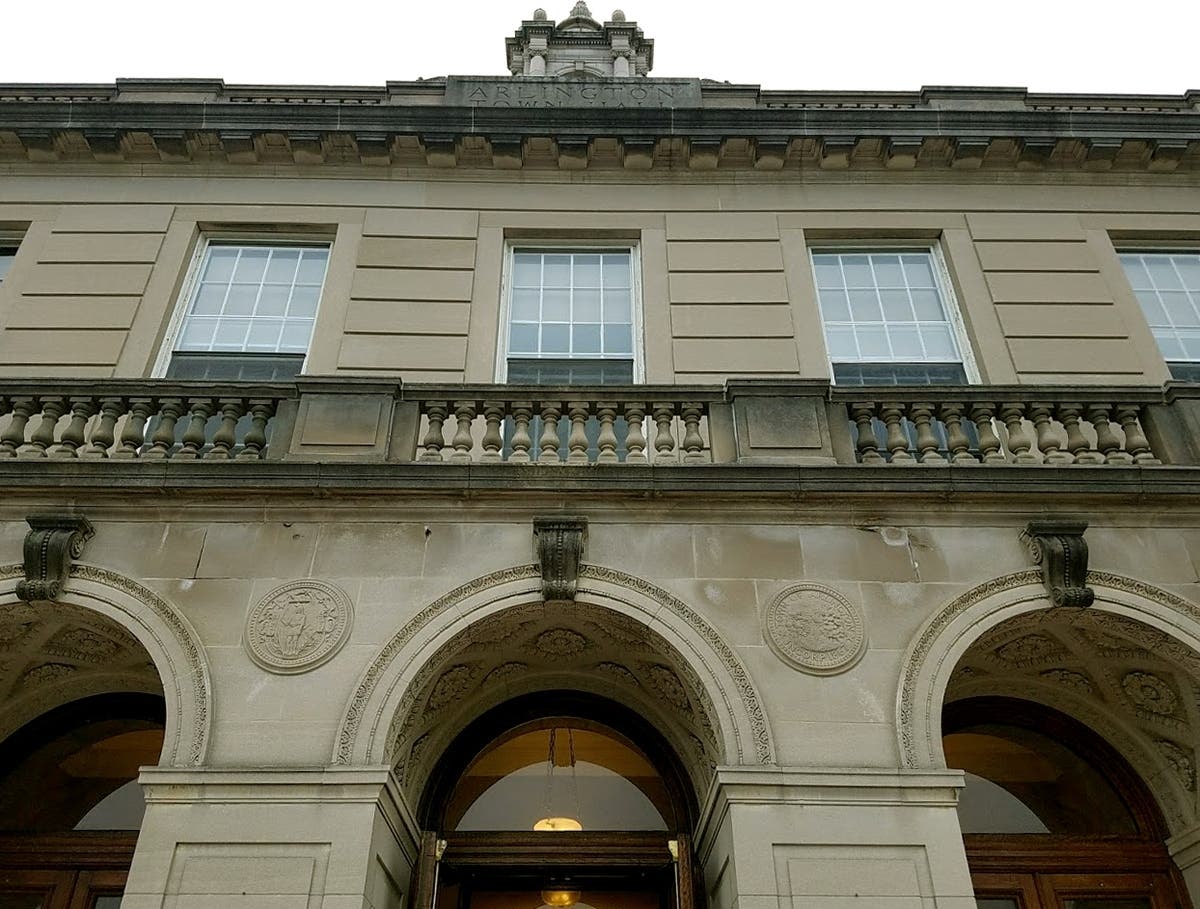
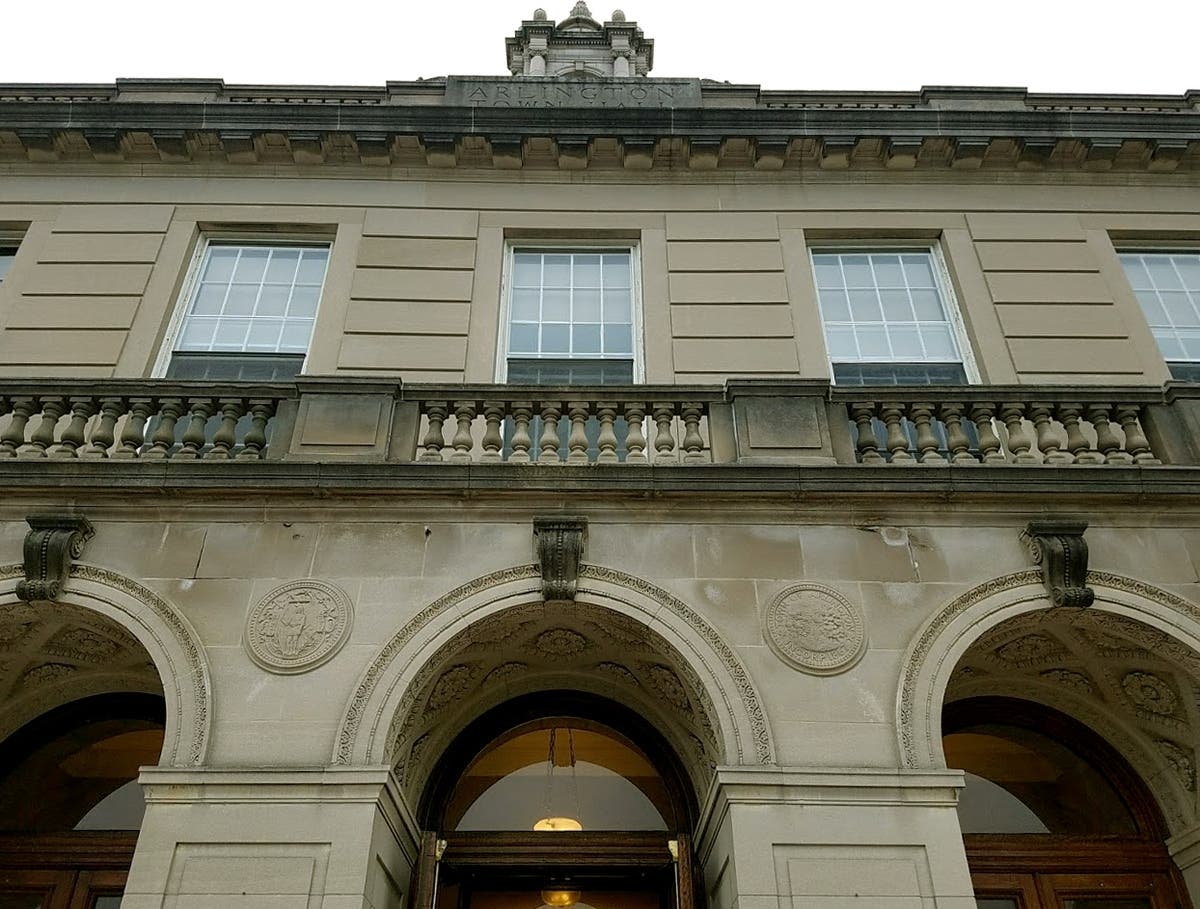
Photo by Jenna Fisher/Patch
Get more local news delivered straight to your inbox. Sign up for free Patch newsletters and alerts.