Neighbor News
Should We Consider Rent Control or Rent Stabilization for Cape Cod?
"Finding a Balance in the Cape Cod Affordable Housing Market: Rent Control and Rent Stabilization"

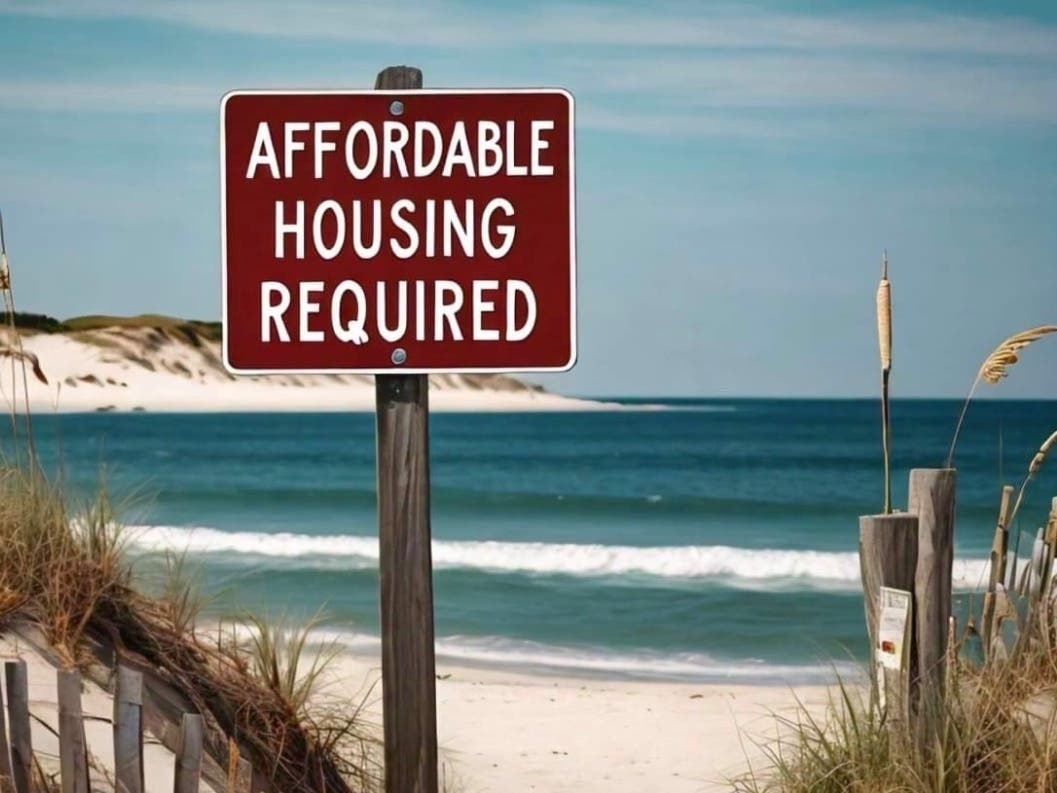
"Finding a Balance in the Cape Cod Affordable Housing Market: Rent Control and Rent Stabilization"
The debate over rent control and rent stabilization has simmered for decades, with passionate arguments on both sides. Proponents see these policies as essential for maintaining affordable housing, while opponents claim they stifle economic growth. To find a middle ground, we need to understand the history, mechanisms, benefits, and drawbacks of these policies.
According to recent reports, 11 million renters in the United States spend more than 50% of their income on rent, leaving them vulnerable to eviction and homelessness. Rent control and rent stabilization policies can provide critical protection for these individuals and families.
Find out what's happening in Barnstable-Hyannisfor free with the latest updates from Patch.
Rent control sets a fixed ceiling on rent increases, essentially freezing rents for a specific period. Rent stabilization allows for annual increases tied to a specific percentage or index, offering more flexibility. Both policies aim to regulate the rental market, but their approaches and consequences differ.
Weighing the Arguments
Find out what's happening in Barnstable-Hyannisfor free with the latest updates from Patch.
The benefits of rent control and rent stabilization are undeniable for tenants. These policies shield them from rapid rent hikes and displacement, preserve existing affordable housing stock, encourage long-term tenancy, and foster community stability. For example, rent control policies in several major cities have helped preserve thousands of affordable housing units.
However, there are drawbacks to consider. Rent control can disincentivize landlords from maintaining or upgrading properties, leading to a decline in rental quality. It can also discourage new rental unit construction and create a black market for apartments. In some cities, rent control policies have led to a decrease in rental supply and an increase in homelessness.
Examining Real-World Examples
The effectiveness of rent control and rent stabilization varies depending on implementation. Some cities have successfully used these policies to preserve affordable housing and stabilize the rental market. Others have faced challenges like rapid gentrification and decreased rental supply. Case studies highlight the importance of tailoring policies to local contexts.
Striking a Balance: Best Practices for Policymakers
To achieve a sustainable housing market, policymakers should adopt best practices. Regularly assessing and adjusting policies is crucial. Complementary measures like subsidies and inclusionary zoning can support these efforts. Effective enforcement and monitoring are essential, as is encouraging community engagement and providing education and support for landlords and tenants. Additionally, policymakers can explore innovative solutions like rent control and rent stabilization hybrids, which combine elements of both policies to create a more flexible and adaptive approach.
Exploring Innovative Solutions
Policymakers can explore hybrid models combining elements of rent control and rent stabilization, offering flexibility based on property type and tenant income. Investing in research and data analysis is vital to understand the long-term effects of these policies on the economy. Beyond rent control and rent stabilization, policymakers should consider implementing rent freezes, tenant protections, and community land trusts. These measures can provide temporary relief during periods of rapid rent increases, safeguard renters' rights, and ensure community organizations can hold land for affordable housing development.
Addressing the Root Causes
The affordable housing crisis has deeper roots than just rent increases. Policymakers must address these root causes by increasing funding for affordable housing programs, implementing tax reforms that incentivize developers to build affordable units, and tackling wage stagnation and income inequality.
Conclusion
Finding a balance between affordability and profitability requires a multifaceted approach. By implementing well-designed rent control and rent stabilization policies, providing education and support, fostering community engagement, and investing in research, policymakers can create a more equitable and sustainable housing market. Addressing the root causes of the affordable housing crisis is essential for long-term solutions. By working together, we can create a housing market that ensures everyone has access to safe and affordable housing.
Ronald Beaty