Community Corner
The Common Graveyard and a Book Bound in Human Skin: Take a Walk on the Creepy Side of the Hill
Patch's Mike Dunphy takes you on a tour of things that go bump in the night in Beacon Hill.


I always wonder if the people enjoying a good lie-down on Boston Common ever think of the people they're lying on, since it's essentially a mass grave. Digging the first subway line in 1895 between Boylston and Park Street turned up more than 900 bodies.
Not only were people buried in the Common, but many were executed there as well, hung from the Great Elm that used to stand near the Frog Pond, downhill from today's Civil War memorial. So beloved was the tree that it achieved protected status in 1856, lasting until a storm revoked its privileges twenty years later. Today, there is nothing more than a hard-to-find bronze plaque blending its green rust into the surrounding grass.
One of the unfortunate people hung from its branches was Mary Dyer, who is now immortalized in bronze in front of the right wing of the State House. Mary's last name seems especially apt considering her determination to "live" up to it. Banished on pain of death from Massachusetts for being a Quaker not once, but twice, she returned a third time. The third time was indeed the charm and she got her day on the Elm shortly after.
Find out what's happening in Beacon Hillfor free with the latest updates from Patch.
I suppose Mary's fate is better than being chopped up, as another famous Beacon Hill resident learned. Just around the corner from the State House at 8 Walnut St. is the former house of Dr. George Parkman, better known as the victim in the 19th century version of the O.J. Simpson trial.
One morning in 1849, Parkman was meant at his home by John Webster, a teacher at Harvard Medical College who had loaned him some money. Webster arranged to meet Parkman later at the Harvard Medical College, where Parkman had once studied medicine, to discuss the debt he owed. Webster came out; Parkman didn't -- at least not in one piece. Harvard's janitor later found parts of him in the basement privy, sparking the trial of the century.
Find out what's happening in Beacon Hillfor free with the latest updates from Patch.
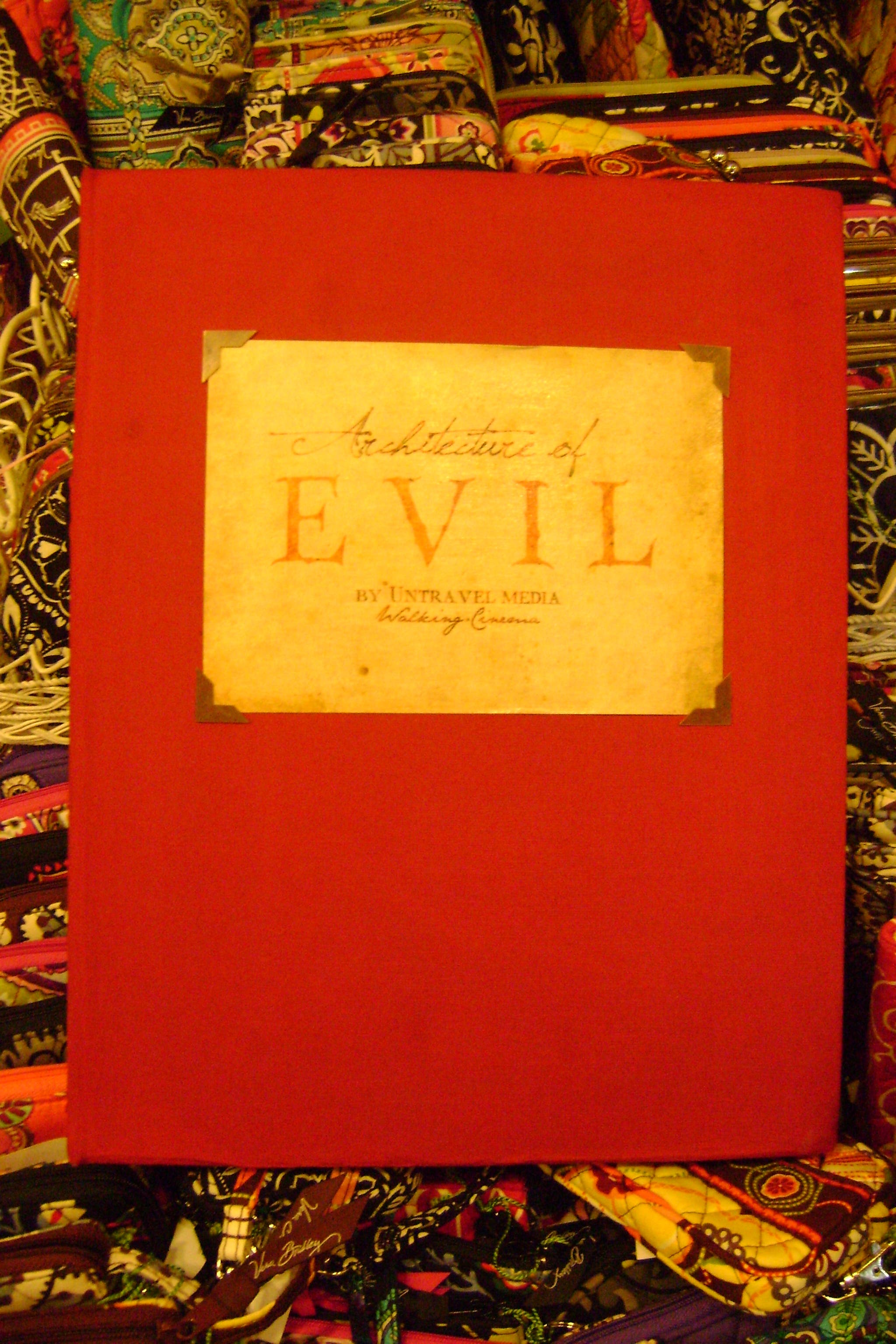
A unique look at the "monstrous" underbelly of the medical college can be found in the book Architecture of Evil at Blackstone's on 46 Charles St. The book contains gruesome pop-ups of Harvard's Medical College's "darker nether regions," including Webster's laboratory.
It's actually a "location-based experience" for Untravel Media's fascinating iPhone app about the murder. As sundry as the story is, it pales in comparison with another famous murder in Beacon Hill, at 44 Charles St., where the Boston Strangler claimed his last victim, Mary Sullivan.
If you thought nothing could be more chilling in Beacon Hill, think again. Members of the Boston Athenaeum, at 10 ½ Beacon Street, have access to one of the rare examples of a book bound in human skin -- and not just any skin.
George Walton, alias James Allen, alias Jonas Pierce, alias James H. York, alias Burley Grove, was a highwayman who stopped a carriage at pistol-point one night in 1837 on the Salem Turnpike and issued his usual demands for the money or life of the passenger inside, Mr. John Fenno Jr. Startled to find Fenno suddenly leaping and grabbing him, Walton's gun went off and struck his victim in the chest. Miraculously, the bullet ricocheted of a button and did no serious harm.
Walton escaped but luck soon abandoned him as he was arrested, contracted tuberculosis in jail and promptly died, but not before he dictated his life's story. As a gesture to Fenno's bravery, he bequeathed him a copy bound in his own skin. Not even the Athenaeum's rare books curator Stanley Cushing can say how the grey, suede-like book ended up there, but we both agree it's a hell of a read.