Neighbor News
Belmont Homeowners Urged to Know How to Shut Off Water Before Emergencies Strike
Simple steps Belmont homeowners can take to stop water fast and reduce damage during plumbing emergencies.

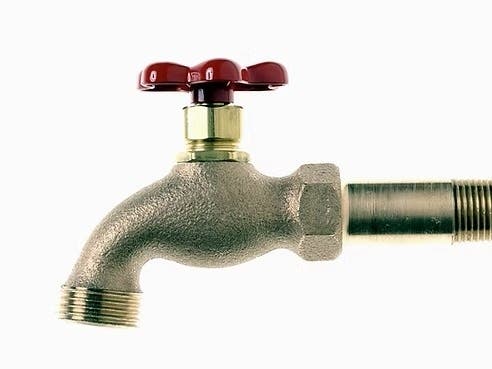
When a pipe bursts or water starts overflowing, the damage can build fast. Within minutes, water can spread through floors, walls, and personal belongings, turning a manageable issue into a much bigger problem.
According to local plumbing company Rhino Rooter, one of the most important things homeowners can do is understand how to shut off their water before an emergency occurs.
This is particularly important in Belmont and surrounding communities like Watertown, Cambridge, and Waltham, where many homes are older and more prone to plumbing issues. Cold New England winters also increase the risk of frozen and burst pipes.
Find out what's happening in Belmontfor free with the latest updates from Patch.
Where Most Belmont Homes Have Their Shut-Off Valve
Rhino Rooter notes that in many Belmont-area homes, the main water shut-off valve is typically found in the basement, often along the front wall where the main water line enters from the street.
In some homes, it may be located:
Find out what's happening in Belmontfor free with the latest updates from Patch.
- In a utility room
- Near the water heater
- Inside a crawl space
Because many homes in the area were built decades ago, the valve may not be easy to access. It’s not uncommon for it to be partially hidden or tucked into tight spaces.
There are generally two types of valves homeowners may encounter:
- A round-handled valve that requires several turns to close
- A lever-style valve that shuts off with a quick quarter turn
What To Do If Water Starts Leaking
When water is actively leaking, acting quickly is critical.
Rhino Rooter recommends a simple approach:
- Go directly to the main shut-off valve
- Turn off the water supply as quickly as possible
- Open a faucet to relieve pressure in the pipes
Taking these steps can help limit damage while the issue is being addressed.
Challenges Homeowners May Run Into
In older Belmont homes, shut-off valves may not have been used in years. This can make them stiff or difficult to turn.
If a valve won’t move, forcing it can cause it to break, potentially making the situation worse. In these cases, it’s best to stop and call a professional.
There is also a municipal shut-off valve near the street, but it typically requires a specialized tool and is not practical for most homeowners to use during an emergency.
Why Preparation Matters in Greater Boston Homes
Rhino Rooter points to several local factors that increase the risk of plumbing emergencies:
- Freezing winter temperatures
- Aging plumbing systems
- Basement layouts that make valves harder to reach
Even a short delay in shutting off water can lead to significant damage, including soaked flooring and damaged walls.
When to Call a Plumber
Shutting off the water is the first step, but it doesn’t resolve the underlying issue.
Homeowners should call a professional if:
- A pipe has burst or cracked
- Water is leaking behind walls or ceilings
- A fixture continues to overflow
- The shut-off valve is not working properly
- The source of the problem is unclear
A Simple Step That Can Make a Big Difference
Rhino Rooter encourages homeowners to take a few minutes to locate their shut-off valve, make sure it works, and clear any obstacles around it.
They also recommend showing other household members where the valve is located and how to use it.
In an emergency, quick action can help reduce damage, lower repair costs, and prevent added stress.
Local Support Available
Rhino Rooter provides emergency plumbing services throughout Belmont and nearby communities, including Watertown, Waltham, Cambridge, Lexington, and Arlington.
Contact Dave at 617-360-1553.