Politics & Government
Energy Committee Seek Best Audit For Homes
With residential property providing nearly 3/4 of possible savings, energy efficiency starts at home.
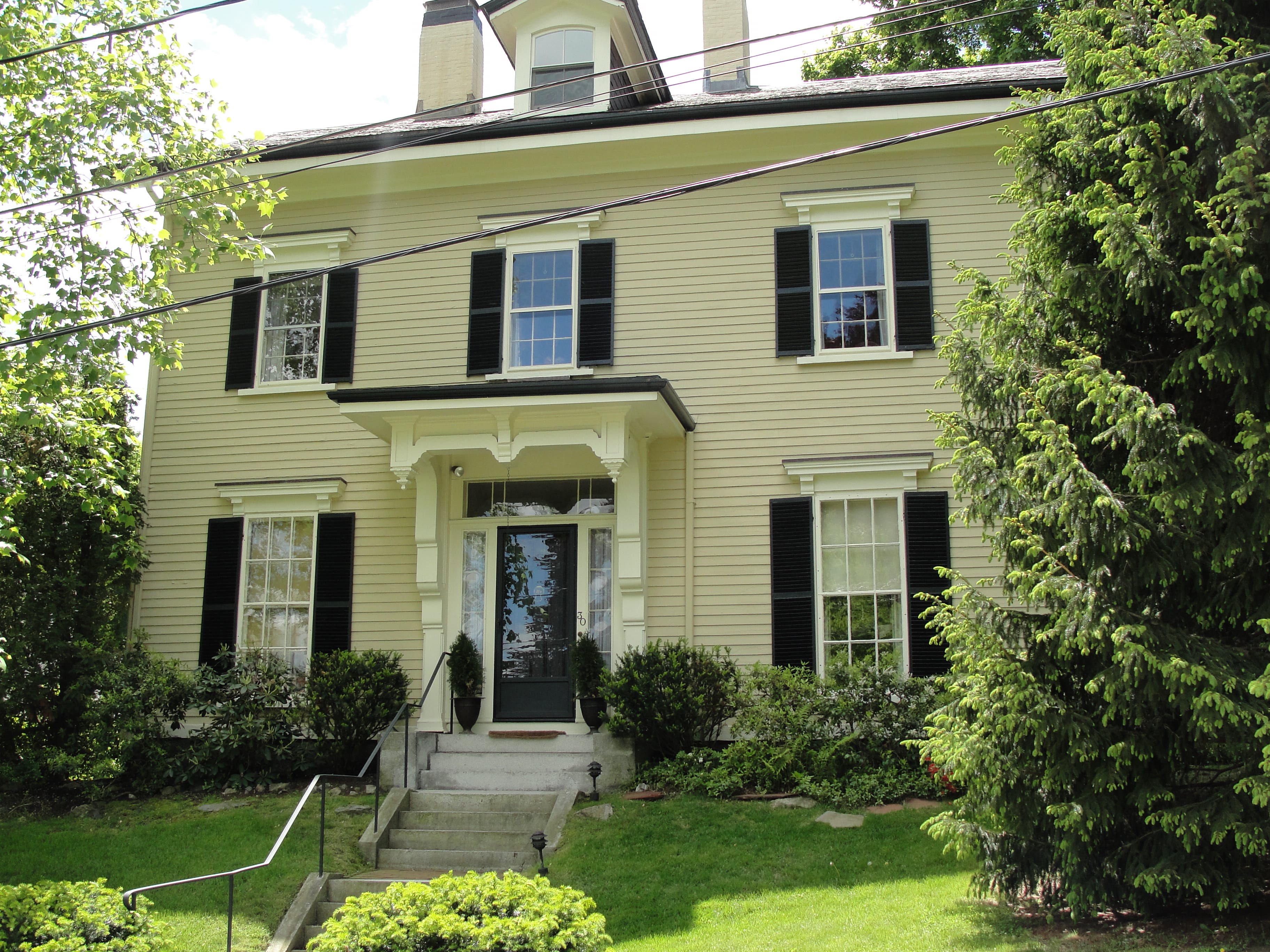
Belmont is best known as a town of homes so it's not surprising to believe the town's carbon footprint can be reduced most effectively by making residential housing more efficient.
In its first meeting, the residential subcommittee of the Belmont Energy Committee met Thursday Aug. 24, to discuss reducing the town's energy emissions.
Committee members Jan Krus, Tony Alcorn and Energy Committee Chairman Roger Colton said that almost 77 percent of emissions reduction lies in the housing sector.
Find out what's happening in Belmontfor free with the latest updates from Patch.
"The residential sector is critical," said Colton, adding that it is essential that the town and committee reach out to homeowners.
A challenge for both the subcommittee and entire Energy Committee will be actually tracking the level residential emissions are reduced when using an efficiency program.
Find out what's happening in Belmontfor free with the latest updates from Patch.
"Being able to document the status of the use, either reduction or increase … and giving people incentive to keep working means we have to come up with markers to let people know how successful it is," said Krus.
One possible initiative that came up repeatedly Tuesday was having residents perform energy audits on their homes.
Alcorn is preparing a case study to be presented to the entire committee that describes an ideal home assessment.
"It involves a serious analysis of the house; to what installation goes where, how it should be done, (and) a contract with a contractor," said Alcorn.
He said that after an inspection is conducted and the installation of energy saving devices are completed, a certificate of inspection would be presented to the homeowner.
The certification would then be sent to the utility that will provide a credit towards the cost customers paid for the inspection and the installation of home energy improvements such as insulation or installing a more efficient appliance.
The subcommittee reviewed ideas on finding out which households in Belmont and nearby communities have had a similar assessment performed, as that information is private. They would like to contact them for their feedback on how successful the inspections were as well as the data on their emission rates and subsequent reduction in energy consumption.
Pros and cons of using smart meters and adding surcharges to bills were weighed, and the subcommittee decided not to take a stand on either until additional information was gathered.
The members also discussed the role utilities such as National Grid and the Belmont Municipal Light Department would play and incentives they could offer residents who reduce their emissions and increase energy efficiency.
The Energy Committee will also investigate working with Sustainable Belmont's Cool Belmont program to research low interest energy efficient loans and residential mortgages that targets reducing carbon emissions.
Another initiative is to create and implement an outreach program towards homeowners to promote reducing energy use and heighten the awareness of efficiency.
In the future, a member will be tasked to find out if the Stretch Energy Code is needed to be adapted in order for Belmont to be considered a green community.
The "stretch code" is an appendix to the building code that Massachusetts cities and towns can adopt in order to productively achieve a 20 percent higher efficiency in new residential and commercial buildings compared to the required base energy code.