Politics & Government
Pay To Cut: Proposed Bylaw Would Protect Trees By Requiring Replacement or Pay Town $100 per Inch
Town Meeting will vote on Energy Committee's heritage tree protection plan; but some members believe measure is overreach.
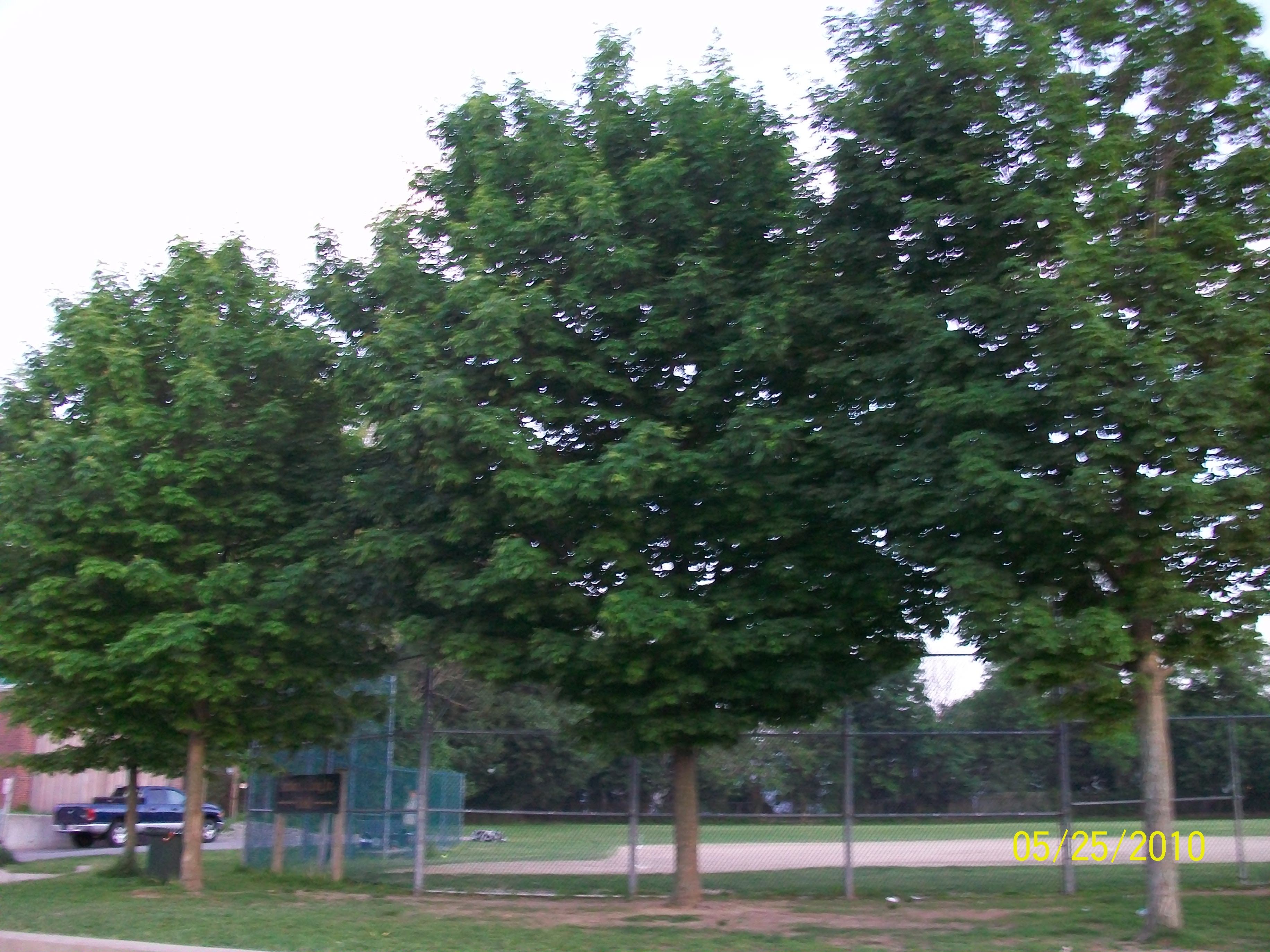
In their effort to reduce carbon emissions the unanimously voted to send to April's annual Town Meeting a draft by-law that that would preserve the town's current tree population by requiring homeowners or contractors to replace any protected tree they remove or pay the town for every inch they chop down.
"The heart of the By-law is when you tear down a protective tree, you have to replace it in inches or you have to pay Belmont $100, for every inch that was taken down," said Co-Chairman Roger Colton when explaining the draft to the committee members.
The Residential Sub-Committee outlined the proposed "Tree Preservation and Maintenance By-Law" that defines what are protected trees and how the new regulations would apply to new residential and non-residential construction.
Find out what's happening in Belmontfor free with the latest updates from Patch.
A 'protective tree' is defined as any tree with a diameter of eight inches or more and any multiple trunk tree with a diameter of 15 inches or more. That will protect some of the older trees in town that often are removed due to weather or other circumstances.
Some of trees are considered historical, however those have also been recently reduced. Tree Warden TomWalsh said at a meeting last month that Belmont lost several heritage trees, reducing the population to about 8.
Find out what's happening in Belmontfor free with the latest updates from Patch.
But the law does not necessarily seek to save trees for the sake of saving trees. The greater idea is that a thriving tree population encompasses many aspects of a healthy environment.
The benefits, Colton said, are listed on the By-law as:
- Conserving energy, by providing shade and evaporative cooling through transpiration.
- Improving local and global air quality by absorbing carbon dioxide, absorbing particulate matter and producing oxygen.
- Reducing wind speed and directing air flow
- Reducing noise pollution
- Providing habitat for birds, small mammals and other wildlife
- Reducing storm runoff
- Increasing real property values
- Enhances the visual and aesthetic qualities hat attract visitors and businesses.
It has been reported that the town's trees population that has not been replaced at the required 110 percent to maintain healthy grown. One of the reasons cited is lack of funds. Thus the money collected by the town through the By-law should be allocated to purchase and plant trees.
However, members wrestled with the idea of having a 1:1 replenishment law.
If the ultimate goal is carbon reduction and cooling, why is there a one for one trade? Why not a one for one and a half or two for every," asked Co-Chairman Ian Todreas.
The members of the residential committee explained that they did not want to push the boundaries of what the town residents may consider acceptable and other By-laws have the 1:1 replenishment which works.
Colton also explained that the law does not aim to interfere with electrical line or does not intent to disrupt normal city planning or intrude on private homes.
"The By-law simply says if there is a development, and it only has to do with development. If someone has a tree in their yard and they want to take it down it is beyond the reach of this bylaw," explained Colton.
Ruth Forester a member of the Shade Tree Committee and a state certified arborist as well as book author advised that the by-law was not necessary as the town already has the means to protect the trees, that the enforcement and technicality of planting trees is beyond the scope of the Energy Committee and that the town's tree losses are the issue.
"Planting trees is a very technical subject and how you value trees is technical. This is not urban forestry, it is suburban so it will cool in the heat of summer, it is not a realistic tool … And any tree By-law should come from and be made by the shade tree committee," she said.
Colton advised that he had been in communication with the Shade Tree Committee Chairman and expects to collaborate with the committee and other departments as well.
He advised members before voting that because they will enlist comment, support and input from town departments, the By-law could change however the main intent will stay the same.