Community Corner
'The Race Is Canceled. Bombs': A First-Person's View of the Boston Marathon
Belmont author Len Abram recalls Boston Marathons he ran and this year's which was halted with him on Heartbreak Hill.
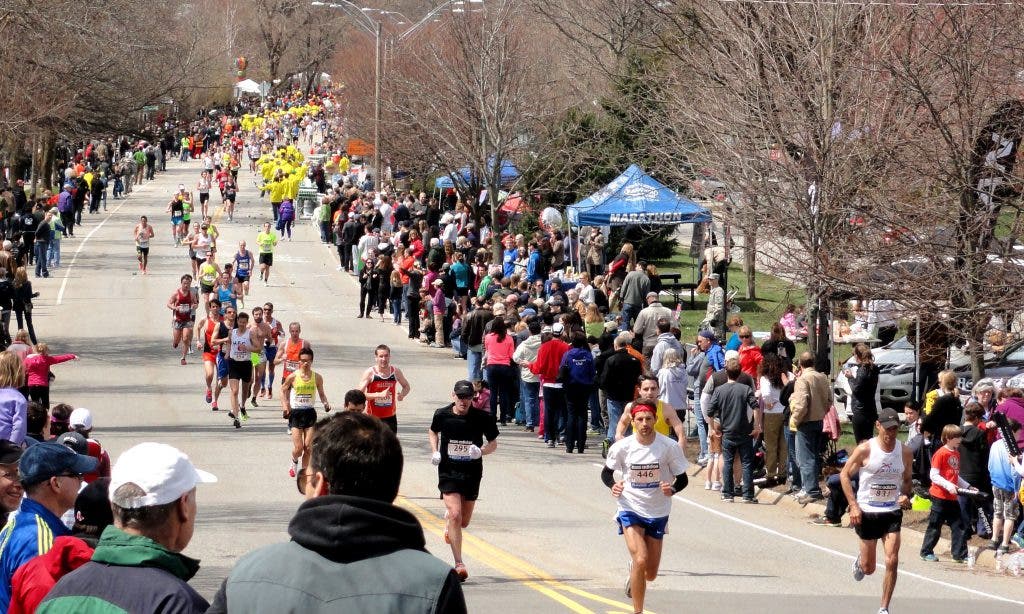
An act of terror stopped the Boston Marathon for the first time in its history. It took two bombs, grievous injuries and horrific murders to turn the famous finish line into a crime scene.
When the explosions happened, I was out on the course, dreaming of that finish, when an exhausted-looking BAA official stopped us on Heartbreak Hill.
The race was canceled, he said. "Bombs."
Find out what's happening in Belmontfor free with the latest updates from Patch.
This was my eighth time on the course and the first time I did not finish.
Over the years, I have seen runners retching on the side of the road to recover their stomachs and legs and go on. I have seen other runners in spasms straighten contorted muscles and go on. I have seen the blind runners shadowed by a sighted runners. I have passed by a runner with a prosthetic leg who encouraged me. I once met 90-year-old man who walked it dressed in white – hat, shorts, and bleached white T-shirt – because he thought the color deflected heat. It was hot and it did and he finished.
Find out what's happening in Belmontfor free with the latest updates from Patch.
I have seen a young man carry a tuba for the 26 miles and play a song for the famous girls of Wellesley College (another Marathon story: these young women, like sirens, lure the men runners with signs like “Kiss Me, I’m Italian,” or “Kiss Me, I’m Kosher”).
I have never qualified to get a number. All of mine were for charities, one for a scholarship for Belmont 9/11 victim Paul Friedman's son. Charity is a large part of the Marathon now. Dana Farber itself sponsors hundreds of runners, who commit to raising several thousand dollars each. Many Marathon participants run carrying pictures of relatives who have died from illness or war.
Someone who always qualified was Martin Duffy from Belmont, who died in 2011. Martin wore a T-shirt proclaiming the number of his Marathons – he was up to 40 – when he was diagnosed with cancer.
I am a back-of-the-pack, slow kind of runner; my joke is that I compete against glaciers. My marathon is a different level of achievement; no chance of endorsement contracts from Gatorade or Nike and no Mercedes Benz to bring back to my little village of Belmont.
My race is for the ordinary, the common, unexceptional in every way except in setting a goal, training for it and showing up. It is for the folks along the route who take time to write placards of encouragement; the children who hold out little hands for high-fives; and the nursing homes which wheel out the aged to wave. The citizens of the towns and city hold out sliced oranges, bags of pretzels and gum drops, wet sponges, offer cups water, and maybe even a beer. As the afternoon moves on, they still shout encouragement: “You can do it. This hill is yours, bib number 7845.”
Joan Benoit Samuelson, a former Boston winner and Olympic champion, says the marathon is a metaphor for life. The Boston Marathon, perhaps the most prestigious in the world, belongs to the people who line the course, and to those, regardless of ability, who run it.
I am betting that no act or person will take the people’s marathon from the people.
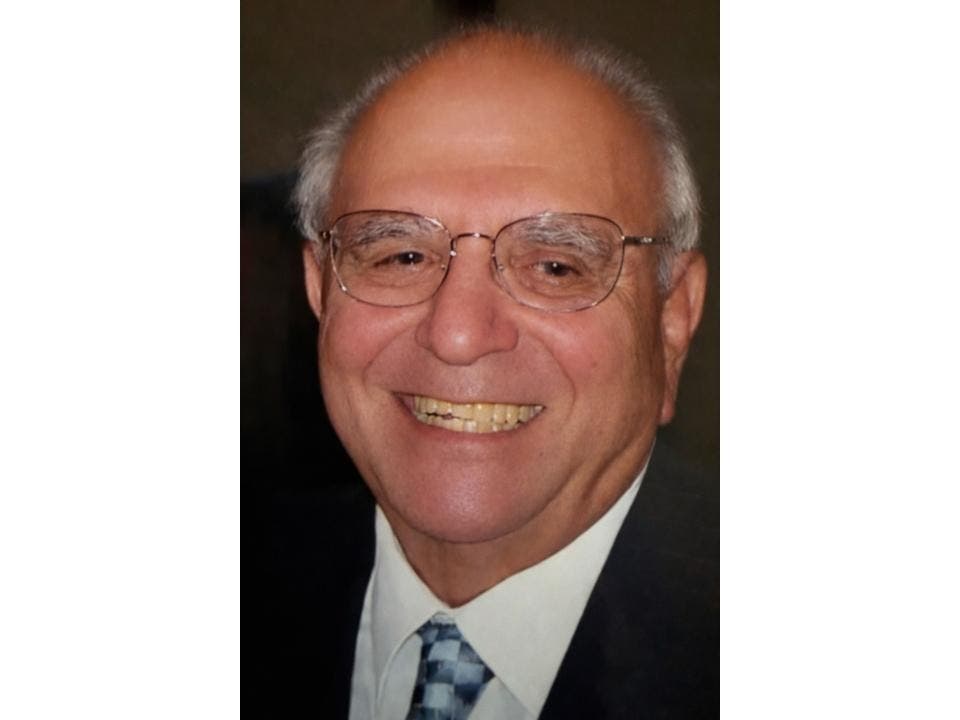
Len Abram is an author living in Belmont. His short story, "Cup of Kindness," appears in the anthology about the Red Sox and Fenway Park, Final Fenway Fiction available at Amazon.com