Seasonal & Holidays
The Best Pumpkin Patches In Massachusetts
Here are dozens and dozens of pumpkin patches near you to enjoy with the family.


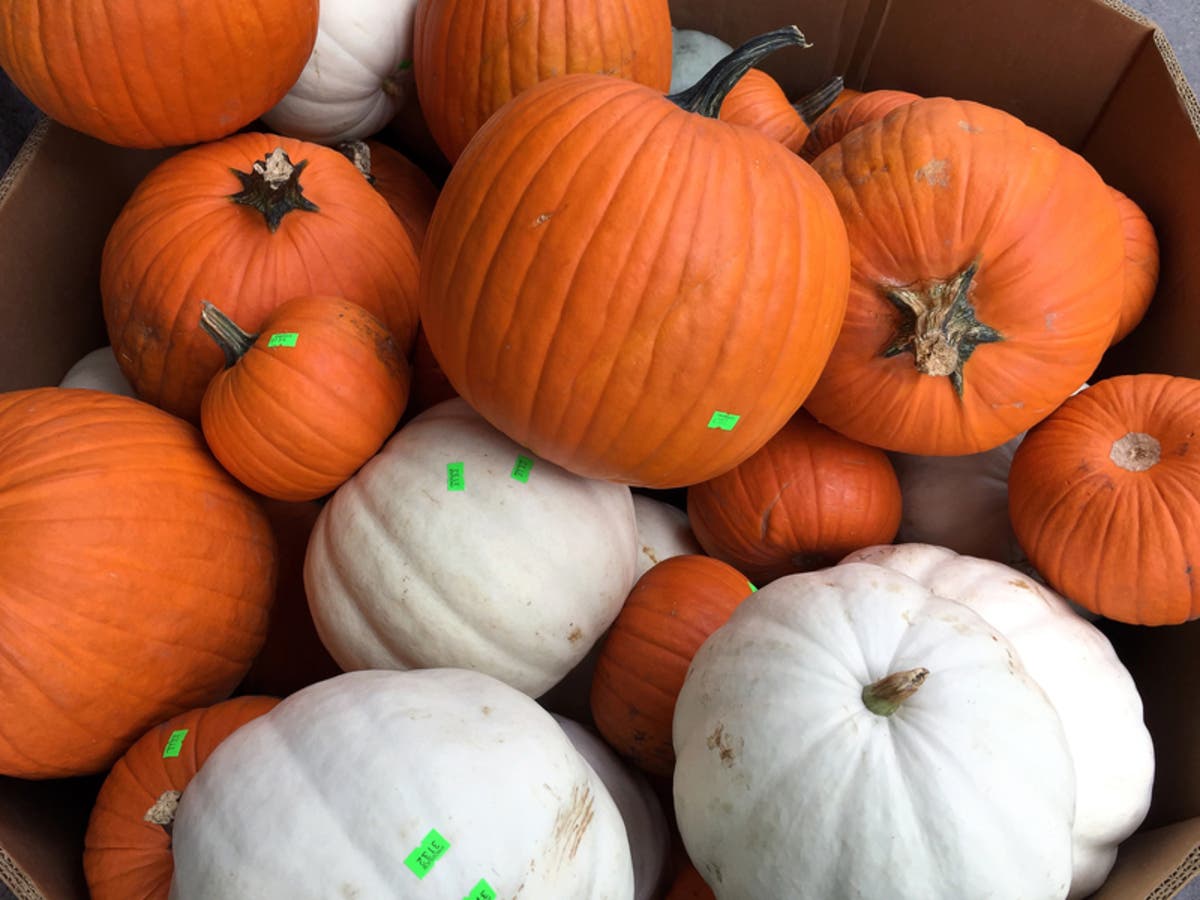
It’s that magical time of year again when kids unglue themselves from their tablets and smartphones for a precious few hours join their parents in a jaunt to the local pumpkin patch. But where do you go?
Below are dozens and dozens of patches around Central and Eastern Massachusetts. If you’re looking for the cream of the pumpkin crop, consider heading over to Belkin Lookout Farm in Natick, ranked the best pumpkin patch in Massachusetts by the folks at Good Housekeeping. The patch is open until Halloween.
Here’s what the magazine had to say about them:
Find out what's happening in Bostonfor free with the latest updates from Patch.
"Though Lookout Farm is open from 10 a.m. to 5 p.m. every day, there are even more events (think face painting and live entertainment) on Saturday and Sunday. Kids can hop on the caterpillar ride, and the whole family can munch on tasty food at the snack shack. Farmers pick the pumpkins for you, and guests can select them from the barn. Weekday admission is $12 for kids and $15 for adults, and prices go up by $3 on the weekend."
Find out what's happening in Bostonfor free with the latest updates from Patch.
If that doesn’t suit your fancy — or, more likely, the drive is simply too far — you can also try one of the following places on this list compiled by Pumpkin Patch and More. If you go to their website, you can find tons more information on each pumpkin patch, including reviews, directions, and more. Check them out!
Essex County
- Boston Hill Farm - North Andover
- Brooksby Farm - Peabody
- Chris' Farmstand - Haverhill
- Cider Hill Farm - Amesbury
- Clark Farm - Danvers
- Connors Farm Corn Maze - Danvers
- Crescent Farm - Bradford
- Green Meadow Farms - South Hamilton
- Ingaldsby Farm - Boxford
- Kimball Farm - Haverhill
- Long Hill Orchards - West Newbury
- Marini Farm - Ispwich
- Rogers Spring Hill Farm - Haverhill
- Salem's Haunted Happenings - Salem
- Smolak Farms - North Andover
Middlesex County
- Applefield Farm - Stow
- Autumn Hills Orchard - Groton
- Belkin Lookout Farm - Natick
- Brox Farm - Dracut
- Butter Brook Farm - Acton
- Carver Hill Orchard- Stow
- Codman Community Farms - Lincoln
- D.J. Hussey Farm - Townsend
- Dowse Orchard - Sherborn
- The Farm - Winchester
- Farmer Dave's - Dracut
- Goss Farm - Dunstable
- Hanson's Farm - Framingham
- Hillbrook Orchards - Groton
- Honeypot Hill Orchard - Stow
- Kimball Fruit Farm - Pepperell
- Krochmal Farm - Tewksbury
- Lawndale Farm - Tyngsboro
- McLoon Farms - Dunstable
- Parlee Farms - Tyngsboro
- Patenaude Farm - Dunstable
- Pickard Farm - Littelton
- Shelburne Farm - Stow
- Spence Hill Farm - Sherborn, MA
- Sunshine Farm - Natick
- Verrill Farm - Concord
- Wilson Farms, Inc. -Lexington
Norfolk County
- Fairmount Fruit Farm - Franklin
- Jane & Paul's Farm - Norfolk
- Lakeview Farm - Bellingham
- Nihtila Farm - Holbrook
- Pakeen Farm - Canton
- Pumpkin Patch ASP Fundraiser - Cohasset
- Tangerini's Spring Street Farm, Inc. - Millis
- Ward's Berry Farm - Sharon
Barnstable County
- Bourne Farm Pumpkin Fest - West Falmouth
- Cob-Webb Farm - Barnstable
- Coonamessett Farm - East Falmouth
- Andrews Farm - East Falmouth
Bristol County
- Araujo Farms & Greenhouses - Dighton
- Cedar Hills Farm - Rehoboth
- Flint Farm - Mansfield
- Four Town Farm - Seekonk
- Freedom Food Farm - Raynham
- Keiths Farm - Acushnet
- Oakdale Farm - Rehoboth
- Perry Hill Orchards - Acushnet
- Pleasant St Christmas Tree Farm - Rehoboth
- The Silverbrook Farm - Acushnet
- Simcock Farm - Swansea
Dukes County
- Morning Glory - Edgartown
Plymouth County
- Back Acre Farms - Middleboro
- Beaver Brook Farm - East Bridgewater
- Billingsgate Farm - Plympton
- Bog Hollow Farm - Kingston
- C&C Reading Farm, LLC - West Bridgewater
- C. N. Smith Farm Inc. - East Bridgewater
- Cretinon's Farmstand and Greenhouses - Kingston
- Nessralla Farm - Halifax
- R & C Farms- Simons - Scituate
- Sauchuk Farm Corn Maze - Plympton
Worcester County
- B & B Farms - Sterling
- Berlin Orchards - Berlin
- Bolton Spring Farm - Bolton
- Breezy Gardens - Leicester
- Carlson Orchards - Harvard
- Carter and Stevens Farm - Barre
- Charlton Orchards - Charlton
- Clearview Farm - Sterling
- Davis Farmland and Mega Maze - Sterling
- Douglas Orchard - Douglas
- Fay Mountain Farm - Charlton
- George Hill Orchards, Inc - South Lancaster
- Great Oak Farm - Berlin
- Harvey's Farm - Westborough
- Hyland Orchard, & Brewery - Sturbridge
- Keown Orchards - Sutton
- Lanni Orchards Inc - Lunenburg
- Meadowbrook Orchards - Sterling
- Nampara Farm - Hubbardston
- Nourse Farm - Westboro
- Pineo Forest Products - Sterling
- Red Apple Farm - Phillipston
- Rota Spring Farm - Sterling
- Schartner Farms - Bolton
- Sholan Farms - Leominster
- Stillman Farm - Lunenburg
- Stone Harvest Farm - Petersham
- Stowe Farm - Millbury
- Tougas Family Farm -Northboro
- Westward Orchards Farm - Harvard
- Wojcik's Farm - Blackstone
- Woody's Fall Farmstand - Leominster
>>Again, make sure to check out an even more comprehensive list at Pumpkin Patches and More.
If you’re hoping to find locally grown pumpkins, consider this — while technically grown throughout the country, there’s a 50-50 chance your pumpkin was grown in one of just six states, according to the U.S. Department of Agriculture. There’s a good chance that state was Illinois, the nation’s largest producer, which harvests up to five times as many pumpkin acres as any other top state at more than 600 million pounds.
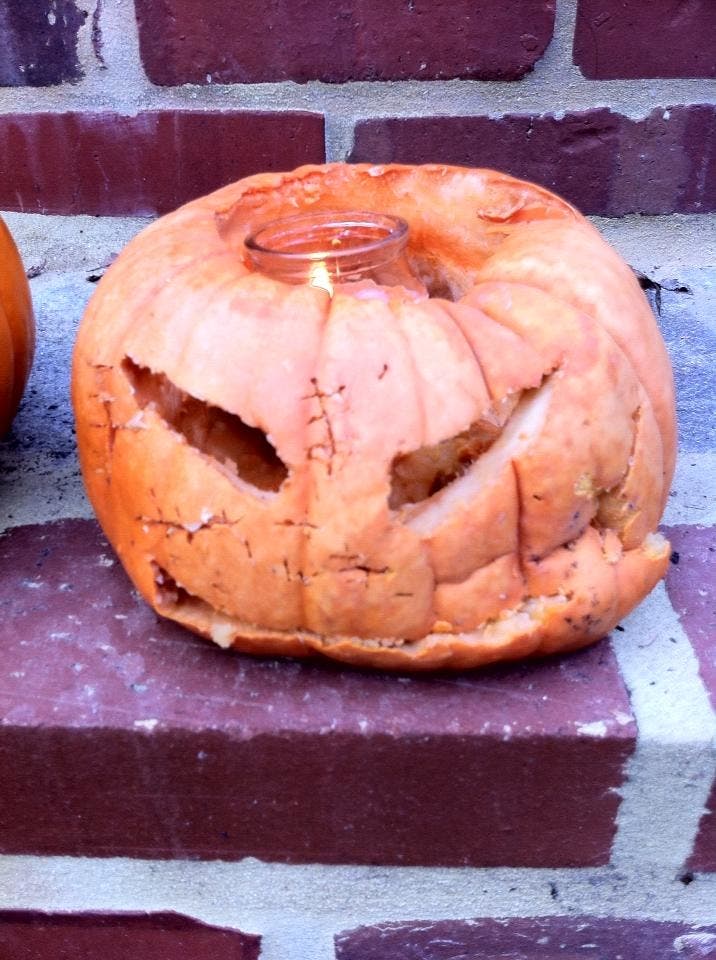
Your turn: Send your best and — more importantly — worst pumpkin carvings to mike.carraggi@patch.com.
Here’s one to give you an idea:
When picking your perfect pumpkin, here are a few tips to keep in mind, according to the folks at Kitchn.
- Know the difference between pumpkins best used for pies and those best for carving. Workers will sometimes label their pumpkins to help you identify which is better for eating and which is better for carving. But if they don’t, remember smaller, thicker and rounder pumpkins are generally better for eating. They have more guts on the inside and are more difficult to saw.
- Tap on your pumpkin. By tapping on your prospective pumpkins, you’ll be able to compare which feel sturdy and sound hollow. The sturdier, the better, and it should sound hollow.
- Flip it upside down and apply pressure. It might sound odd, but trust us, this is key. Turn your pumpkin upside down and press on it with both thumbs. If it’s not sturdy, chances are it’ll rot.
- Always carry it from the bottom. Do not carry your pumpkin by its stem, that’s the easiest way to test whether your pumpkin can defy gravity. So far, gravity remains undefeated.
- Wait to carve your pumpkin. Ask anyone what happens if you carve too early and you’ll hear one of two answers, neither of them good. Either the pumpkin rots before Halloween or it simply becomes dinner for a family of hungry animals.
Patch national staffer Dan Hampton contributed to this report.
Main photo: David Allen, Patch Staff
Get more local news delivered straight to your inbox. Sign up for free Patch newsletters and alerts.