Business & Tech
Watch Out For Coronavirus Business Scams In MA: AG
Watch out for businesses selling fake vaccines, overpriced products and hackers posing as COVID-19 experts to steal people's information.


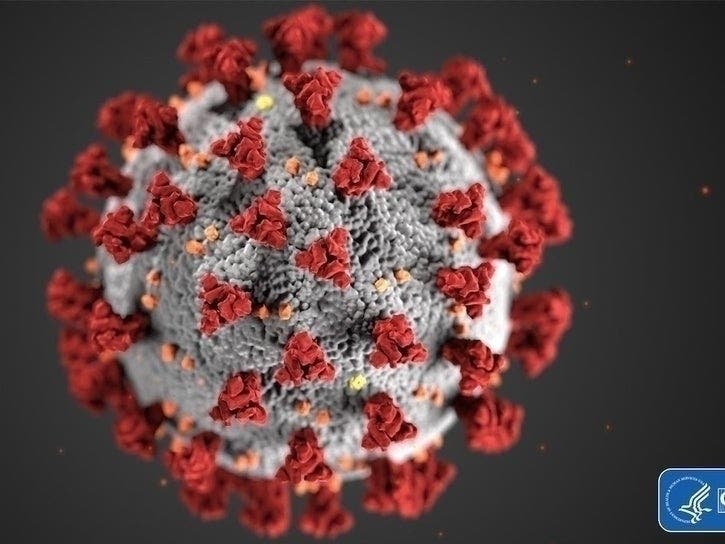
BOSTON — Massachusetts residents should be on the lookout for businesses and individuals running scams and trying to take advantage of uncertainty surrounding the new coronavirus, Attorney General Maura Healey said Tuesday. Healey said to watch out for businesses selling fake vaccines, overpriced products and hackers posing as COVID-19 experts to steal people's information.
"Fears about the coronavirus are on the rise and so are those looking to capitalize on uncertainty about its impact in Massachusetts," Healey said in a statement. "We want consumers to be vigilant when it comes to fraud and abuse and encourage everyone to learn how to protect themselves from scams and use our office as a resource."
The Attorney General's office encourages using the following tips to protect yourself from being taken advantage of:
Find out what's happening in Bostonfor free with the latest updates from Patch.
- Beware of false and misleading information. Visit reputable sources like the Centers for Disease Control (CDC), the World Health Organization, or the Massachusetts Department of Public Health for updates on the coronavirus and its impact in Massachusetts and beware of untrustworthy sources that might be spreading false information.
- Stay home if you’re sick. Most workers in Massachusetts have the right to earn and use up to 40 hours of job-protected sick time per year. Under state laws, workers must earn at least one hour of earned sick leave for every 30 hours worked. Learn more about your right to paid sick time on the AG’s website. If you think your employer is violating the earned sick time law, call the AG’s Fair Labor Division at 617-727-3465 or file a complaint online.
- Get help with health insurance questions.If you have a problem with health insurance claims or medical bills or think you might be the victim of a scam, the AG’s Health Care Division may be able to help. Call our helpline with questions or complaints at 1-888-830-6277.
- Watch out for high-priced or low-quality products.Media reports have suggested prices are increasing on products like hand sanitizer and face masks. The AG’s Office encourages the public to read health recommendations from the CDC when deciding whether a purchase is necessary. Research before you make a purchase, only buy from reputable companies, and don’t pay an unfair price for something you may not need. Report instances of what seem like unreasonably high prices or defective products to the AG’s Consumer Protection Division at 617-727-8400.
- Don’t trust anyone offering vaccinations or other treatments.There is currently no vaccine for the coronavirus. The AG’s Office stresses that the public should ignore online offers for vaccinations, medicine, and other treatments. If you are unsure about a product, check with your doctor before you buy it.
- Consider seeking a refund for cancelled travel.The CDC has issued guidance for travelers inquiring about upcoming travel to certain countries with a high number of coronavirus cases. Many airlines and travel companies have cancelled trips to prevent the spread of the virus, and consumers may be eligible for refunds. Check with your airline or travel company about getting a refund and file a complaint with the AG’s Office if you’re having trouble getting your money back. We may be able to provide assistance.
- Be on alert for scams. The AG’s Office warns that scammers may try to steal your money and information by sending phony communications via phone calls, emails, and texts. If a stranger claiming to be an expert on coronavirus contacts you, ignore them. Double-check links in emails and texts before you click on them, and don’t open anything from an unfamiliar sender. Consumers should report scammers to the AG’s Office.
- Look out for unauthorized or fraudulent charities or solicitations. If you would like to donate to a charity focused on addressing the coronavirus, do your homework to maximize your contribution. Make sure you verify that the charity is legitimate, donate by check or credit card and not by cash, and don’t be pressured into making a contribution. Visit the AG’s giving wisely webpage for more information.
The Attorney General's office encourages anyone with questions or concerns to call its consumer hotline at 617-727-8400 or file a complaint online.
Don't miss updates about precautions in your area as they are announced. Sign up for Patch news alerts and newsletters
Find out what's happening in Bostonfor free with the latest updates from Patch.
Coronaviruses are a family of viruses that include the common cold as well as much more serious diseases. The strain that emerged in China in late 2019, now called COVID-19, is related to others that have caused serious outbreaks in recent years, including severe acute respiratory syndrome (SARS) and Middle East respiratory syndrome (MERS). The first confirmed case of COVID-19 in the U.S. was on Jan. 21.
The disease, which apparently originated in animals, is now transferring from person to person, although the mechanism is not yet fully understood. Its symptoms include fever, coughing and shortness of breath, and many patients develop pneumonia. There is as yet no vaccine against COVID-19 it and no antiviral treatment.
According to the CDC, the best way of preventing the disease is to avoid close contact with people who are sick, to avoid touching your eyes, nose, and mouth with unwashed hands, to wash your hands often with soap and water for at least 20 seconds, and to use a hand sanitizer that contains at least 60 percent alcohol if soap and water are not available.
To avoid spreading any respiratory illness, the CDC recommends staying at home when you are sick, covering your cough or sneeze with a tissue and throwing the tissue in the trash, cleaning and disinfecting frequently touched objects and surfaces.
Get more local news delivered straight to your inbox. Sign up for free Patch newsletters and alerts.