Politics & Government
Another Meals Tax Battle Brewing for Braintree Councilor
The meals tax proposal is before the Town Council for the third time in three years.


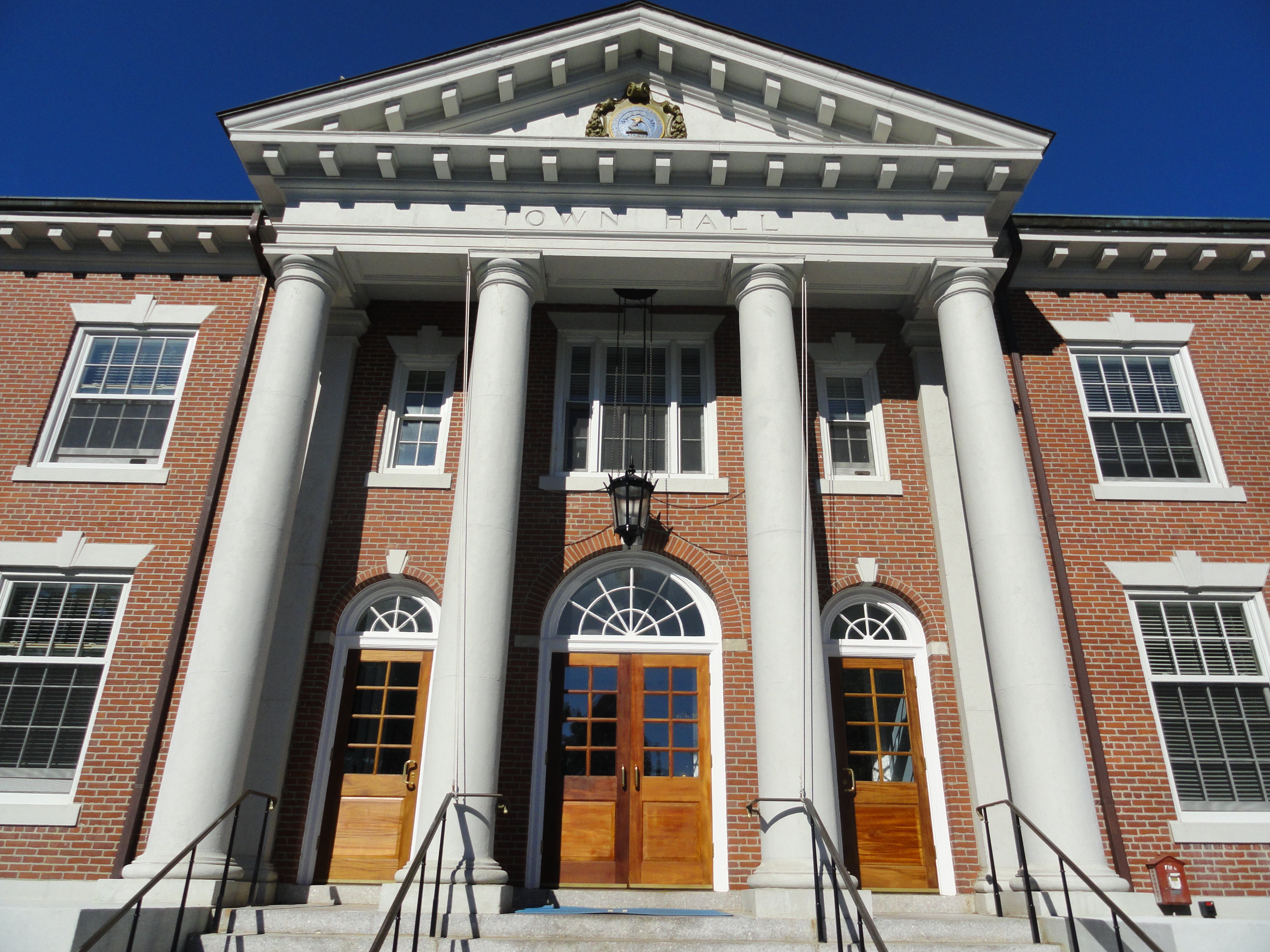
Pushing once again for Braintree to adopt the local portion of the state's meal tax, Councilor John Mullaney sees both millions of dollars in "lost revenue" for the town over the last few years and a friendlier environment for his proposal.
Ordinances that would have raised the town's meals tax from 6.25 percent to 7 percent, with Braintree retaining the extra quarter percent, have failed twice before the Town Council in the last three years. Mullaney's third proposal is now before the Committee on Ways & Means.
Since Gov. Deval Patrick offered the local meals tax option in 2009 as part of an increase to the state's portion of the tax, and as one alternative in a "toolbox" of revenue options, the tax has been a cornerstone of Mullaney's platform.
Find out what's happening in Braintreefor free with the latest updates from Patch.
This time around, Mullaney has expressed even more optimism about the tax's chances than usual, pointing to data from the state Department of Revenue that shows Braintree has lost $2.4 million in potential revenue by not adopting the increase, and that the town could earn upwards of $900,000 annually.
Yet despite Mullaney's confidence – he predicted that the ordinance would pass 5-3 – he still faces an uphill battle.
Find out what's happening in Braintreefor free with the latest updates from Patch.
During last week's council meeting, a couple dozen business owners and representatives from the Braintree Chamber of Commerce showed up to oppose the measure. They did not speak, as the ordinance was only referred to committee and that action typically does not include testimony, but afterward the chamber's chair, Michael Wilcox, voiced strong disagreement.
Fellow councilors also said they either remain skeptical about the tax or felt it was too early in the process to draw a conclusion.
"I don't think anyone's changed [their position] from when we rejected it twice," Councilor Sean Powers said. "You're going to take $900,000 out of the local economy?"
If cities and towns need additional revenue, why target the restaurant industry, Powers said, adding that the focus should really be on why state lawmakers have pushed hard choices down the line by way of those revenue alternatives.
"Local aid is where the rubber meets the road," Powers said. "It's basically a cop-out by Beacon Hill. They are shifting the burden to local businesses and local officials."
Councilor Charles Ryan said that it is "premature" to talk about how the vote would come down. Council President Charles Kokoros agreed.
"Everybody needs to let things take their proper course," Kokoros said.
Get more local news delivered straight to your inbox. Sign up for free Patch newsletters and alerts.