Politics & Government
Braintree Looks to Meet High Burden of Proof in Alcohol Violations
The renewed focus on evidence stems from the state overturning a decision against The Brew House.


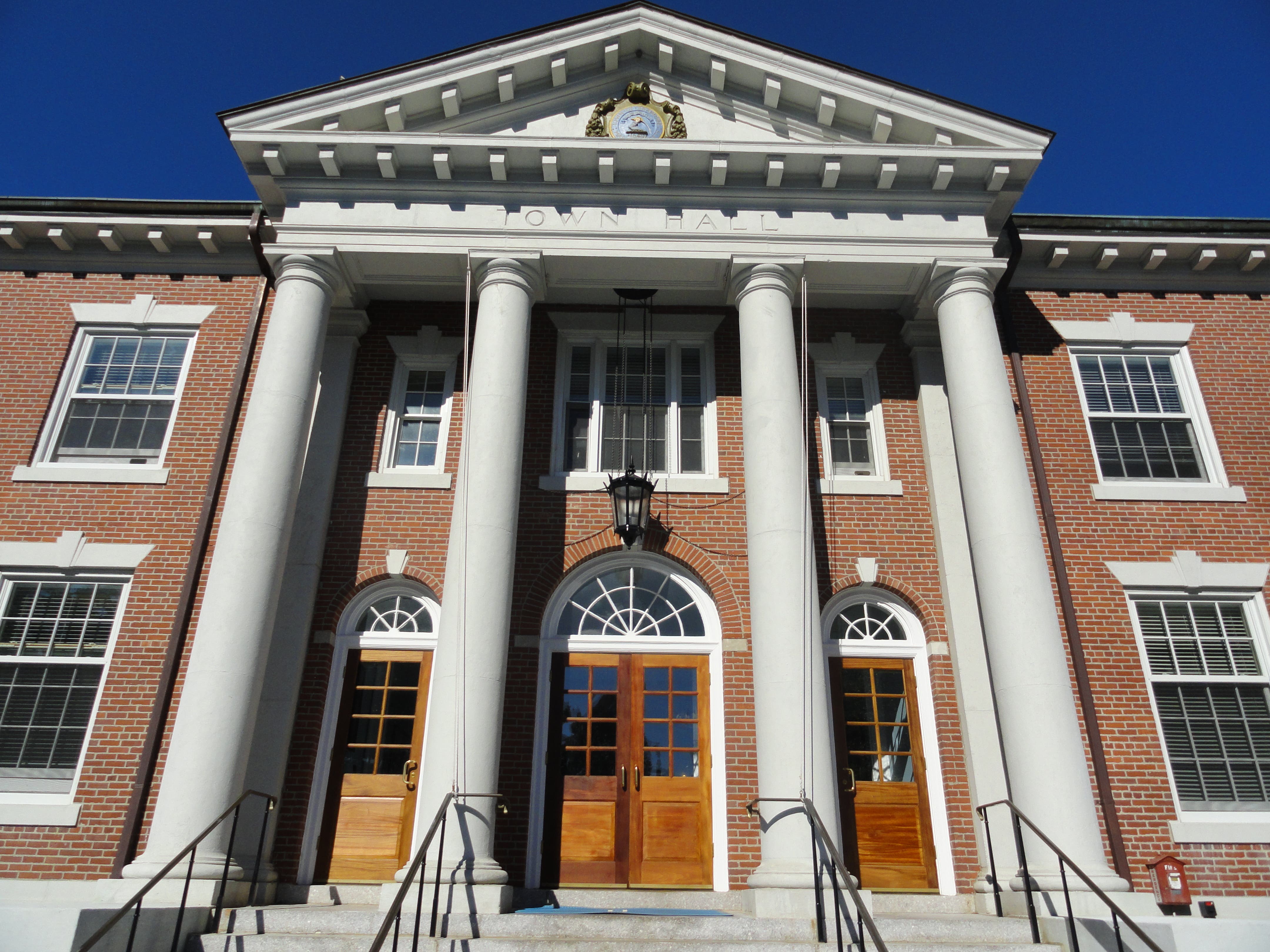
A recent decision by the state overturning the Board of License Commissioners on an alcohol violation provides Braintree officials a case based within the town to use as guidance in future hearings.
The decision sets a high standard for proving violations – one that has trickled down from Superior Court rulings – that requires direct observation of intoxicated people being served alcohol.
"We have a clear-cut decision right in front of us," Chair Joe Powers said after the board discussed the case Tuesday at Town Hall. "I for one will see to it that it is ingrained in the license authority's institutional memory."
Find out what's happening in Braintreefor free with the latest updates from Patch.
In March, the Alcoholic Beverages Control Commission ruled that the local board used only hearsay evidence to find that The Brew House had served an intoxicated woman last August. It threw out the board's decision and its penalty, wiping clean the establishment's all-alcohol license record.
In its decision, following a February hearing, the state commission said that while the responding police officers observed the woman "visibly intoxicated" outside The Brew House, there was no direct evidence offered that she was served while intoxicated.
Find out what's happening in Braintreefor free with the latest updates from Patch.
"The Local Board did not produce any percipient witnesses or direct evidence regarding the events that transpired inside the licensed premises," the ABCC said in its decision.
Based on the higher burden of proof, member Russell Forsberg argued that the decision created an "obscene loophole" for establishments without table service, in which a patron can buy multiple drinks at the bar and distribute them to anyone in his or her party.
"Are we setting ourselves up for failure after failure after failure?" Forsberg said. "I just don't know how we possibly proceed from this point."
Powers and Town Solicitor Carolyn Murray acknowledged that the standards are very high, and Murray said the town could consider enacting a table service requirement.
"The standards are not unique to Braintree," Powers said. "They are not unique to the ABCC. They are being driven by court cases."
In that vein, Powers pointed to the commission's own statement that it has decided on cases using assumptions in the past and has been overturned by the Superior Court.
"This Commission itself has yielded to the temptation presented by horrific facts surrounding a fatal accident and reasoned backwards to find that a person was manifestly intoxicated before causing such a horrific accident," it said in the decision.
Prior to the Brew House appeal, Braintree had already begun ramping up its efforts to investigate alcohol violations.
After responding officers file an incident report involving a licensed establishment, Police Chief Russell Jenkins reviews it for potential violations. If they are present, Jenkins confers with Powers and dispatches licensing officer Jack Twohig to investigate further.
Twohig's testimony, based on follow-up interviews with patrons, business owners, managers, staff and anyone else involved in an incident, became a regular part of the alcohol license hearing process last year. He looks specifically at those elements required by the ABCC to determine whether violations took place, Jenkins said.
"Without a doubt we'll learn from [the Brew House decision]," the chief said.
Another case, involving The Landing Pub, is also up for appeal. That establishment's two-day license suspension for serving an intoxicated person last fall has been automatically put on hold until the ABCC holds a hearing, which has yet to be scheduled. Members discussed the pending appeal in a closed, executive session Tuesday afternoon.
Get more local news delivered straight to your inbox. Sign up for free Patch newsletters and alerts.