Crime & Safety
Braintree To Pay $14.9 Million To Man Wrongly Convicted In 1980 Murder
Fred Weichel spent 36 years in jail for a murder conviction that was eventually overturned.


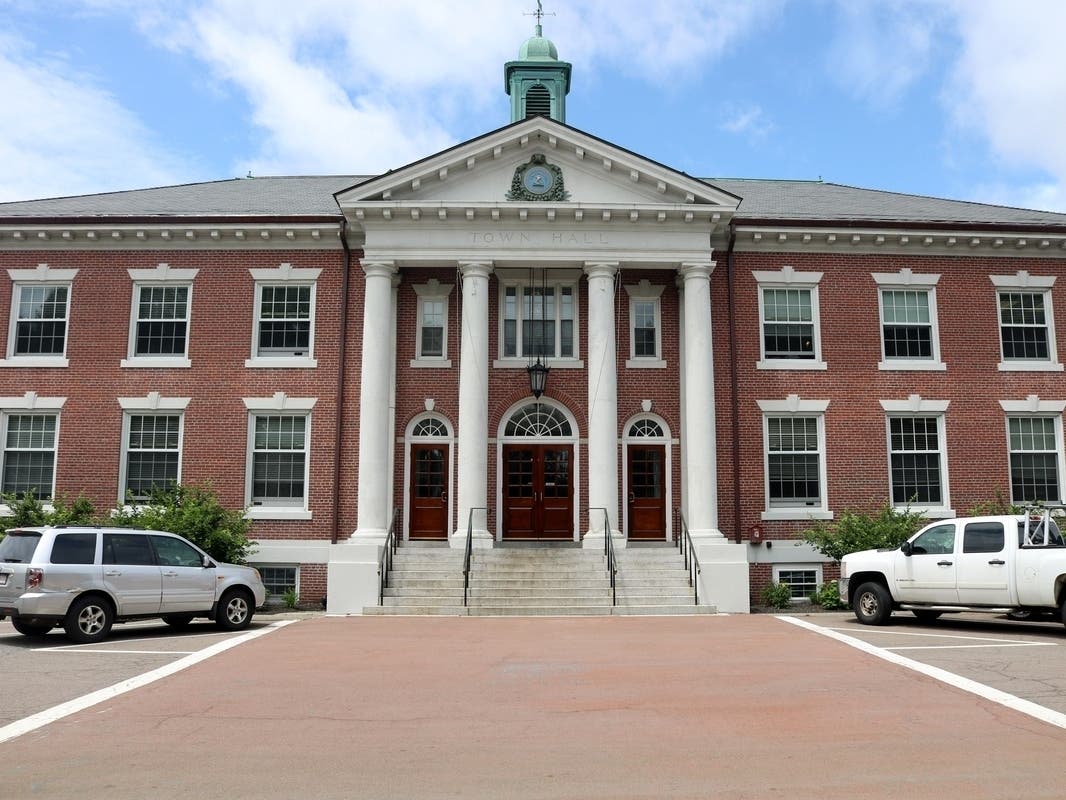
BRAINTREE, MA — Braintree officials have reached a settlement agreement with Fred Weichel, the man who spent nearly 36 years in prison for a Braintree murder he was later cleared of, for nearly $15 million.
The number was the source of much intrigue and concern for officials after, in 2022, a jury decided that he was owed $33 million despite Massachusetts law stating he was only eligible to receive up to $1 million from the state.
Weichel was convicted in 1981 in the fatal shooting of Robert LaMonica on Commercial Street in Braintree. He was 28 at the time of his arrest.
Find out what's happening in Braintreefor free with the latest updates from Patch.
Weichel was released in 2017 on bond in after a judge threw out his conviction and ordered a new trial. The Norfolk County District Attorney's Office in 2017 opted not to seek a new trial, citing a lack of evidence against Weichel.
Weichel submitted the lawsuit against the Town of Braintree and the Boston Police Department in 2020, in which he contended that the town and police "deliberately framed him for a murder that he didn't commit," and ignored evidence that would have cleared him of any wrongdoing.
Find out what's happening in Braintreefor free with the latest updates from Patch.
To add to the intrigue of the case, Weichel said that, at the time, he was threatened by the infamous Boston mobster James "Whitey" Bulger. The Bulger storyline was discussed during testimony from Kevin Weeks, described by The Patriot Ledger as Bulger's former right-hand man.
During his testimony, Weeks said that Bulger "didn't really care for Freddy", speaking of Weichel, and that on the night of the murder, Weeks saw Weichel at a South Boston bar, according to the Patriot Ledger.
"I knew it wasn't him, because he was in the bar," Weeks said in his testimony.
Why Settle?
Braintree Mayor Erin Joyce said a number of financial factors came into play when deciding to seek a settlement rather than allow a jury verdict to decide the number.
Though state law protects Massachusetts from liability over $1 million, Braintree doesn't receive that same protection.
"Heading into settlement discussions with Mr. Weichel and his attorney, the Town of Braintree faced greater monetary exposure because of the uncapped liability and recent trends of large jury awards in similar cases tried against municipalities," Joyce said in the statement.
Eventually, the town decided on a settlement figure of $14.9 million.
Some may question why the decision was made now, especially given Braintree's current financial crunch, which included layoffs and the town's affirmative vote for a Proposition 2 1/2 override, but officials said they believed it was in the best interest of the town to settle instead of risking a larger number from a jury decision.
Officials will work with a number of parties in the coming weeks to sort out financing and potential insurance coverage for the hefty payment.
Additionally, Town Council President Charles B. Ryan said they would continue working with Joyce in "advocating for legislative reforms that will provide municipalities with the same protections from legal judgments that the Commonwealth provides for itself."
What The Mayor Said
In addition to the statement offered by the town, Joyce also issued a quote about the case and settlement.
“There are no winners with this case," said Joyce.
She continued:
"Mr. Weichel spent 36 years in prison for a crime he did not commit. He missed out on the opportunity to have a family, to travel, or to enjoy all the normal experiences of life we take for granted. Mr. Weichel was found innocent and wants to rebuild his life. In my judgment, the Town reached a sensible settlement with Mr. Weichel that is fair to him and prudent under the circumstances. To control the impact on our own financial stability going forward, we are aggressively pursuing insurance coverage collections with the help of our legal team, and we anticipate recovering a meaningful portion of this settlement."
What Was In The Lawsuit?
The lawsuit named as defendants the town of Braintree, its police department, deceased former police Chief John Polio and several Braintree police officers, as well as several Boston and Massachusetts State Police officers.
Weichel's attorneys said the Braintree Police Department withheld evidence that could have led to him being declared not guilty, and instead allowed a file with information about the investigation to sit in a basement for more than 30 years. Weichel made repeated requests for the police records while turning down offers for leniency as he maintained his innocence.
The lawsuit alleged that the defendants fabricated evidence against him to quickly solve the crime and fabricated a false witness to identify him. Four witnesses saw a man fleeing the shooting from 60 yards away and only saw the man for a few seconds, according to the complaint.
Officers testified that all four witnesses identified Weichel as being the man they saw leave the scene, when in reality, none of the witnesses were able to identify who they had seen, according to the suit.
Eleven witnesses told police officials they believed the man portrayed in a composite sketch was a convicted murderer who had not returned to prison following a work furlough, the suit said.
Descriptions of the man's height and weight also matched that of the felon, but the lawsuit alleged that investigators suppressed their report.
Read more: Boston Man's Lawsuit Against Braintree Police Moves Forward
With reporting from Jimmy Bentley.
Get more local news delivered straight to your inbox. Sign up for free Patch newsletters and alerts.