Health & Fitness
MA Coronavirus: Nursing Homes Plead For More Testing
State nursing home officials argued coronavirus testing criteria may leave half of nursing home residents infected out.


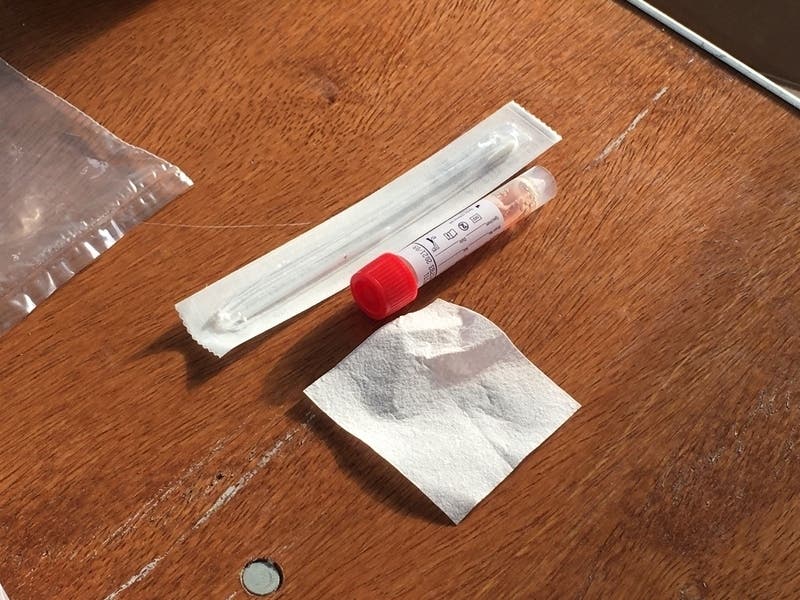
BOSTON — The elderly, especially those with underlying health conditions, remain most vulnerable during the new coronavirus pandemic. Particularly, residents at nursing homes are at risk; officials with the Massachusetts Senior Care Association predicted the number of COVID-19 cases among nursing home residents and front-line caregivers will surge in the coming weeks.
To combat that surge, Association President Tara Gregorio has called for changes to state testing criteria, which she argued is inadequate in identifying residents who have been infected.
Gregorio cited a March 27 CDC report, which tested 82 nursing home residents, regardless of if they were showing symptoms. According to the study, half of the residents that tested positive were asymptomatic or pre-symptomatic on the day of testing.
Find out what's happening in Braintreefor free with the latest updates from Patch.
"Previous government guidance on symptom-based screening in skilled nursing facilities was essentially inadequate and failed to identify approximately half of all residents who were infected with COVID-19," Gregorio said. "We therefore urge government agencies to revise their testing criteria, thereby ensuring a greater number of nursing home residents and staff qualify for testing.
Gregorio also said the testing should be expanded for nursing home staff to protect them, their families and the residents.
Find out what's happening in Braintreefor free with the latest updates from Patch.
"Without testing of staff, we have more staff staying at home who may not have COVID-19," Gregorio said. "We are hopeful that recent efforts to utilize the National Guard to perform testing in nursing facilities will allow for both greater access to testing for our residents and staff with quicker results."
In the meantime, Massachusetts nursing homes have ramped up their efforts to protect residents and staff.
Gregorio said all employees are screened for symptoms at the beginning of each shift. If a fever or other symptoms are detected, the employees are sent home to self-quarantine for 14 days.
Association officials have also recommended front-line staff and symptomatic residents wear masks regardless of whether of COVID-19 test has been ordered. But Gregorio said those supplies may be lacking at some nursing homes.
"Personal Protective Equipment in nursing facilities is urgently and immediately needed to protect both our residents and staff," Gregorio said. "Our most recent survey to members shows that most facilities lack essential supplies and could run out of PPE shortly."
These supplies include surgical masks, N-95 masks, gowns, gloves, face shields, thermometer covers and alcohol-based sanitizing gels. Gregorio said the association has worked aggressively to secure this equipment.
Gregorio said staff shortages have also been an issue, and these shortages are exacerbated as nursing homes implement necessary isolation protocols.
"We recognize and applaud our dedicated staff who are working tirelessly to cover this shortfall but it's not enough," Gregorio said.
Gregorio said the association has partnered with others throughout the health care industry to hire furloughed medical experts. She estimated the overall COVID-19 response for Massachusetts nursing homes will cost at least $287 million.
Get more local news delivered straight to your inbox. Sign up for free Patch newsletters and alerts.