Crime & Safety
Cambridge Fighting Opioid Battle on All Fronts
The city may become the first in the country to place lockboxes filled with overdose medication Narcan on street corners.


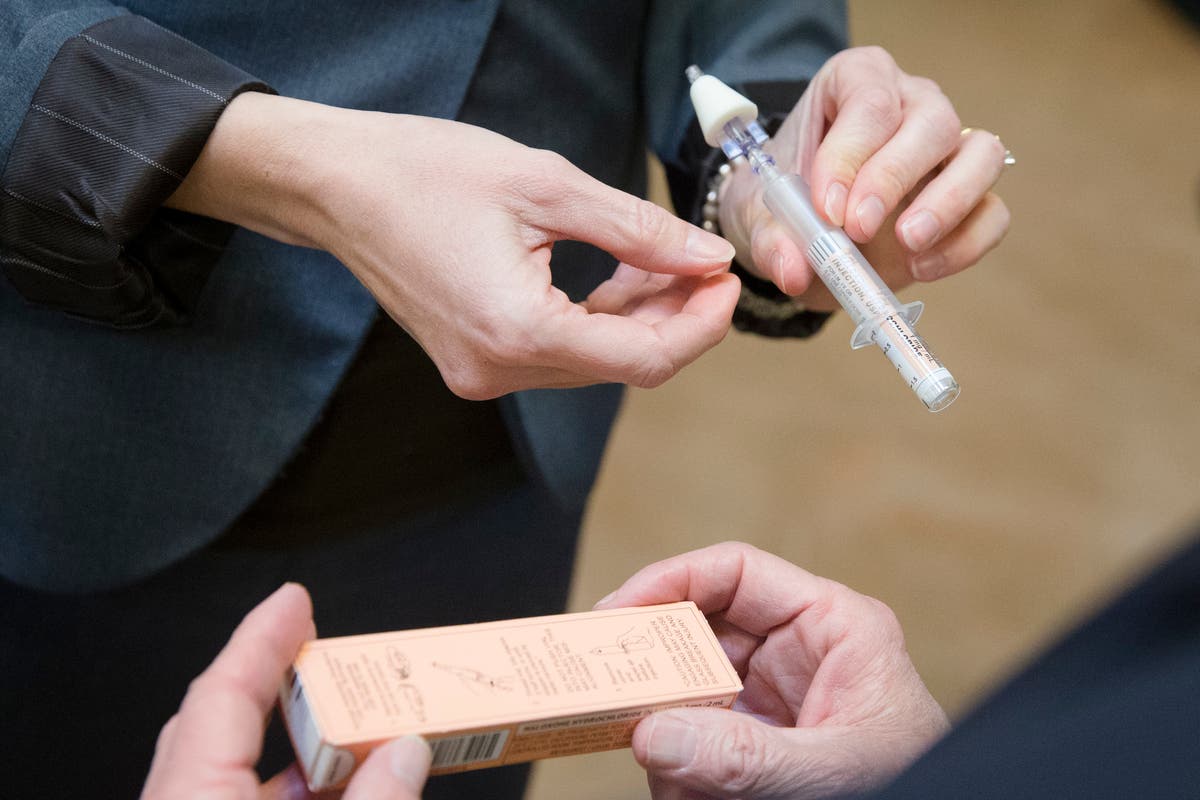
CAMBRIDGE, MA — As officials scramble to deal with rising opioid overdose numbers nationwide, Cambridge is looking to take a first-of-its-kind step in combatting the epidemic. Cambridge may become the first city to place lockboxes filled with overdose medication Narcan on street corners, giving access to everyone in case of public overdoses.
If someone spots a suspected overdose, they can call 911 and report it. The person answering the call would ask a series of questions confirming it is indeed an overdose, direct the caller to the nearest Narcan box, give the pass code to unlock the box and walk the caller through administering it.
It could be a matter of desperate times, desperate measures. Cambridge saw 26 opioid-related related overdose deaths in 2016, according to data released by the Department of Public Health Wednesday. That's double 2015's number and more than four times 2013's number. (Want to keep up local news? Subscribe to Cambridge Patch)
Find out what's happening in Cambridgefor free with the latest updates from Patch.
The boxes, at least a year away if they are to be implemented at all, are produced by Boston startup GEMS (which stands for General Emergency Medical Supplies.) Police and health officials recently held a test using a dummy, asking people passing by if they would help someone who had overdosed. They then walked the person through the process.
- RELATED: Shoot Up Under State Supervision? Doctors Endorse Mass.-Run Injection Site
- Town-by-Town Overdose Data for 2016
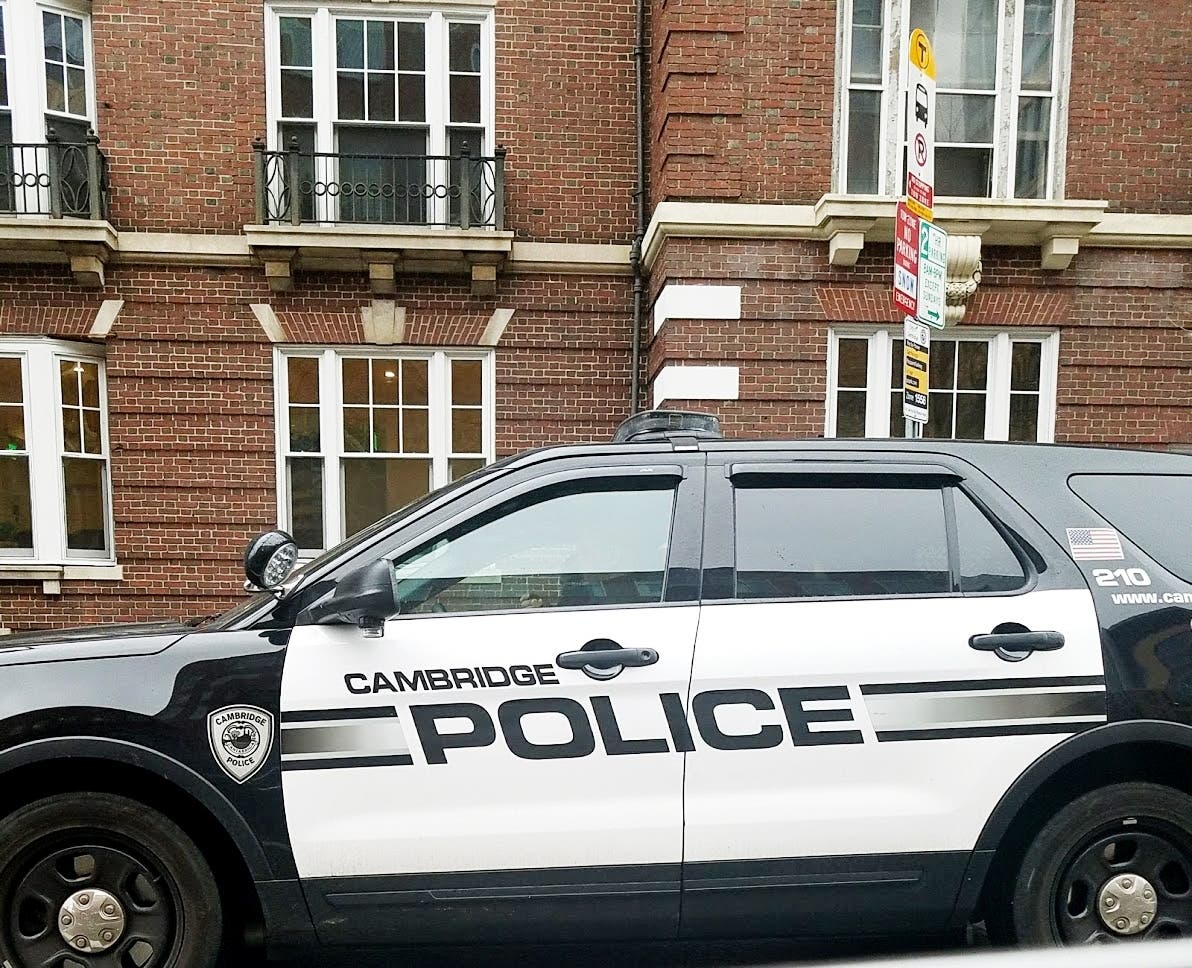
Cambridge Police spokesperson Jeremy Warnick said the Narcan boxes can be a help — particularly in improving response times as emergency responders make their way — but are far from the only tool police are investing in. Instead, it seems they are focusing on investing in people.
Find out what's happening in Cambridgefor free with the latest updates from Patch.
"We're doing a lot in this area," Warnick told Patch. "It's really a layered strategy, this is just one of the more recent things that we're looking in to and testing. It's not the end all, be all. Narcan isn't either."
There's an increased focus on the person, Warnick said. When someone overdoses, police send a detective from the special investigations unit to their hospital bedside. The first person the victim sees is often a detective, opening to the door for connections and hope.
The department then introduces its internal licensed social worker, who acts as a coach. Twenty-two people agreed to work with the social worker over the first year or so.
Police aren't just sitting around and waiting for overdoses, either. Warnick said the department knows the hot spots around town — particularly the squares and other high-traffic areas, which is where the Narcan boxes would be — and police work to build awareness. Police are working to get ahead of the crisis.
"One piece of work we've done is working to educate and empower families, especially with people who have suffered through addiction," Warnick said, citing the social worker as a main contact for people who are going through recovery or families of addicts who have approached police.
So maybe focusing on people lowers the overdose numbers for 2017 before the Narcan boxes ever make an appearance. But from a public health standpoint, police see only good that can come from the added resource.
"Of course as soon as they call 911 we'll be sending our closest officers," Warnick said, "but if that takes a few minutes, that good Samaritan could administer the Narcan, which could be the difference between a life saved and a life lost."
(Want to keep up local news? Subscribe to Cambridge Patch)
AP Photo/John Minchillo, File
Get more local news delivered straight to your inbox. Sign up for free Patch newsletters and alerts.