Crime & Safety
Development In 1969 Cambridge Murder Of Harvard Student: DA
Middlesex DA Marian Ryan is set to make an announcement about the investigation into the homicide of Jane Britton a grad student at Harvard.


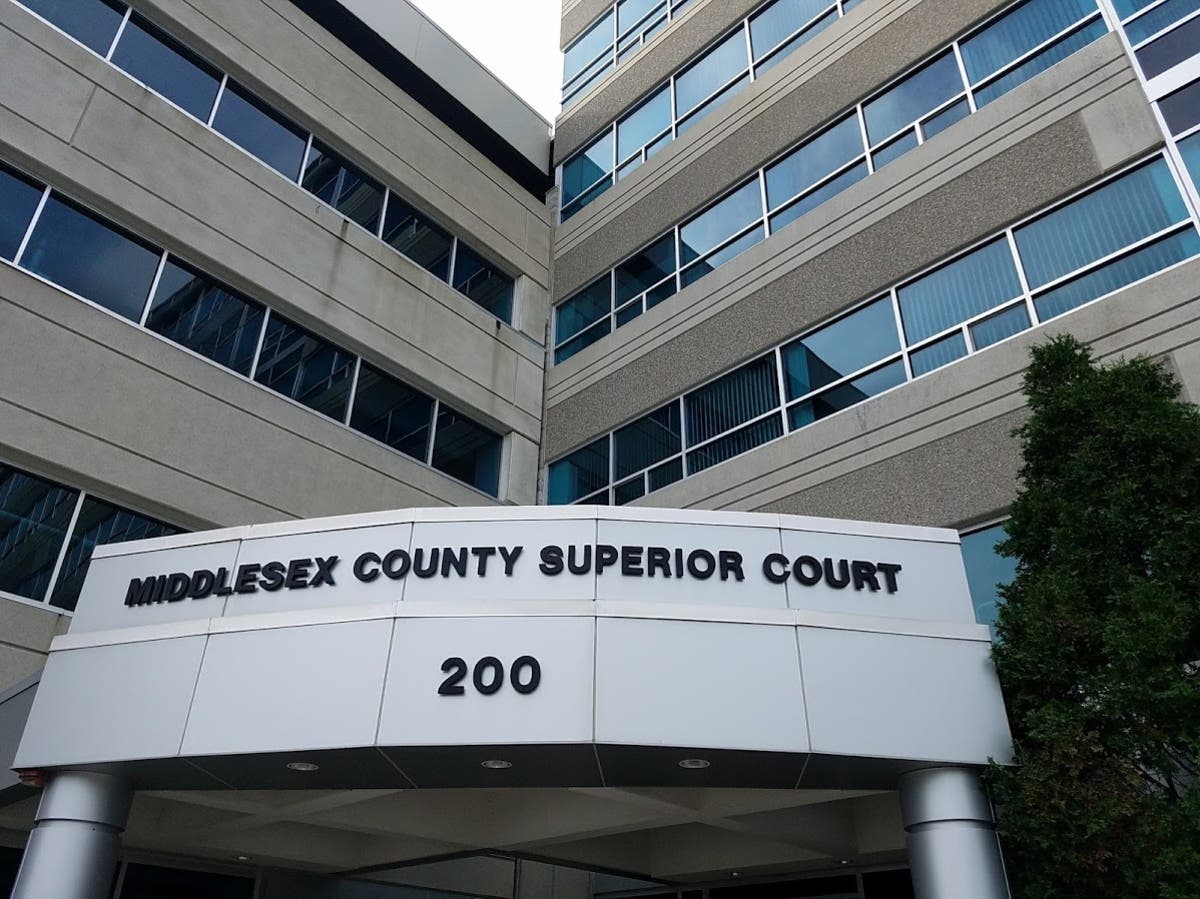
CAMBRIDGE, MA – There's been a development in the mysterious case of the 1969 murder of Jane Britton, a grad student at Harvard, according to the District Attorney's office. Britton's death some five decades ago attracted national attention but police never named a suspect or made any arrests. The case went cold.
In 2006 the Middlesex District Attorney's office did some DNA testing and then during the past year did updated testing on evidence taken from the 1969 Cambridge homicide, according to Middlesex District Attorney Marian Ryan.
On Tuesday the DA is expected to announce a "significant development" in the case as a result of that testing.
Find out what's happening in Cambridgefor free with the latest updates from Patch.
At 12:40 p.m. on Jan. 7, 1969 her boyfriend found the body of Jane Britton, 23, of Needham, a graduate student in Anthropology at Harvard University, in her fourth floor apartment at 6 University Rd, in Cambridge.
Her boyfriend came to check on her after she missed an exam that morning but found her body on a blood soaked mattress with her nightgown hitched up.
Find out what's happening in Cambridgefor free with the latest updates from Patch.
Police said Britton died of multiple blunt injuries to the head, possibly from a hatchet or a sharp rock. The medical examiner estimated she had been dead for 10 to 12 hours by the time she was found, suggesting she likely died within a couple of hours after returning to her apartment and had been sexually assaulted.
According to the Harvard Crimson, shortly after the death, police began speculating that the killer performed an ancient burial rite over Britton's body after they found iodine oxide, a reddish-brown powder, on the walls, ceiling, and floor of the apartment and on her body. The chief of police also said police found a sharp-edged stone, an archaeological souvenir, which had been missing from her apartment.
Two days after she was found, with rumors flying, the Cambridge police declared a media black out. That black out seemed to last for a number of decades, as researchers and journalists asked for information on the case but were rebuffed.
In June last year the Boston Globe wrote that outside researchers started digging into the cold case, but were still met with resistance from the DA's office.
Never miss another local news story: Get free local news alerts right to your inbox.
Photo by Jenna Fisher/Patch Staff
Do you remember this case? Send an email to jenna.fisher@Patch.com
Get more local news delivered straight to your inbox. Sign up for free Patch newsletters and alerts.