Neighbor News
Charlestown Nurse Gives Reasons to Vote No on Question 1
Patrice Nicholas says staffing decisions should be made by nursing professionals who can best determine patient care needs.
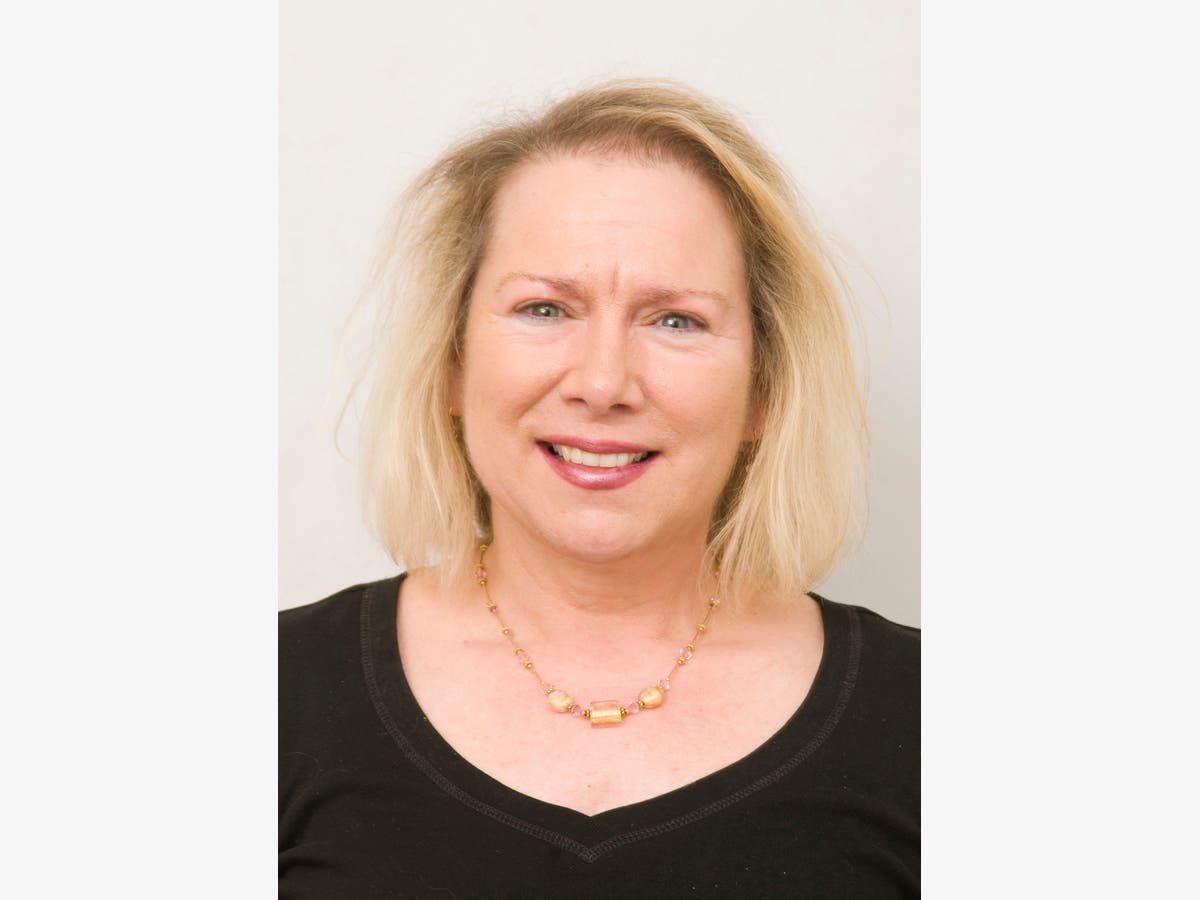
By Patrice Nicholas, DNSc, DHL (Hon.), MPH, RN, ANP-C, FAAN
Professor, School of Nursing, MGH Institute of Health Professions
On Tuesday, November 6, 2018, the Massachusetts ballot initiative Question 1 asks voters to decide if there should be a limit to how many patients could be assigned to each registered nurse in Massachusetts hospitals and certain other health care facilities. A “yes” vote supports establishing patient assignment limits. A “no” vote opposes establishing patient assignment limits.
As a member of the School of Nursing faculty at MGH Institute of Health Professions, former director of Global Health and Academic Partnerships, and Nurse Administrator at Brigham and Women’s Hospital (BWH) in the Department of Nursing and Patient Care Services, I am encouraging people to vote “No” on Ballot Question 1.
Find out what's happening in Charlestownfor free with the latest updates from Patch.
In my leadership role at BWH, I viewed firsthand the exceptional quality of care, superb patient outcomes, and consistent staffing that met patients’ needs and their acuity levels. Nurse-patient staffing ratios were actually lower (for example, one nurse having an assignment of three patients on intermediate care units) than the mandate of the ballot question which seeks ratios of one nurse to four patients. The nurse-patient mandate could actually increase nurse-to-patient ratios in some settings and would not allow for the flexibility of increased staffing for patient acuity. The key to excellent patient care is having the leadership role of nurses in determining many patients should be included in any nurses’ assignment.
The Massachusetts Nurses Association (MNA), as the union that represents several area hospitals, is pushing this ballot initiative when our professional organization, American Nurses Association Massachusetts, is adamantly opposed. It is surprising that the MNA has television advertisements that say “80% of nurses support a ‘Yes’ vote” when the MNA only sampled its union members and
didn’t disclose that important information.
Find out what's happening in Charlestownfor free with the latest updates from Patch.
In fact, nurses are not overwhelmingly in favor of Ballot Question 1, despite MNA’s assertion. In addition, most emergency department registered nurses in both union and non-union hospitals are opposed to Question 1 since they know that many patients who arrive in EDs can be triaged and cared for more appropriately, professionally, and expeditiously than the nurse-patient staffing mandate would allow. Flexibility and autonomy in determining appropriate staffing should remain in the purview of professional decision making among RNs at the unit level where patients receive care.
It is also important to note that many smaller hospitals may have to close units or decrease bed capacity due to mandated staffing ratios. This would directly impact access to care and patient outcomes—for the chronically ill and as noted, for patients arriving in emergency departments.
The costs are prohibitive in our current health care climate and do not reflect the appropriate allocation of nurses or the staffing patterns that include patient care assistants who are key members of most patient care teams. There is no evidence that there would be any cost savings related to patient outcomes nor evidence that there would be reduced length of stay or reduced adverse events. In California, where they have had mandated nurse-to-patient staff ratios,
patient outcomes have decreased and there is decreased RN job satisfaction while health care costs have increased dramatically.
It is particularly compelling that one of the most important reasons to vote against Question 1 is that nurse-patient staffing ratios are complex and it is difficult for voters to fully grasp how something as complex as “how many patients should be assigned to each nurse” should be decided.
Patrice Nicholas lives in Charlestown.