Neighbor News
Question 2: More than a Matter of Funding
What's being lost amid the debates about Question 2 is the importance of preparing Boston's kids to succeed in the digital economy.

We can't overestimate the significance of Question 2 on Massachusetts ballots this year. Question 2 will not only decide the future balance of funding and enrollment across the state’s educational system, but the career outlook for many of our students.
Question 2 is the first measure relating to school choice in the Commonwealth's ballot measure history. It asks voters to authorize up to 12 new charter schools or enrollment expansions in existing charter schools by the Massachusetts Board of Elementary and Secondary Education per year. Proponents of the measure say it will pressure the state’s public schools to undertake long-overdue reforms, while also giving families greater choice in education decisions. Opponents claim that a sudden and dramatic influx of funds and students into charter schools will undermine ongoing efforts to achieve a healthy and balanced educational ecosystem and sink already struggling public schools.
Lost in the debate over Question 2, however, is the issue of career preparedness. As voters approach Question 2 they need to consider how we can best prepare our students for productive careers—particularly right here in Massachusetts—in industries poised for growth in the digital economy.
Find out what's happening in Charlestownfor free with the latest updates from Patch.
According to an index published by the Massachusetts High Technology Council, Massachusetts is the most difficult state in the country to hire technology workers. In fact, all companies in the state, tech or otherwise, are struggling to hire talent. Some have called it a “brain drain”—an inability of the state with some of the country’s most celebrated universities to hold onto the best and brightest.
One solution is organic talent development, offering high school students Science, Technology, Engineering, and Mathematics (STEM) programs that provide mentorship and practical, hands-on curricula that goes beyond core coursework, preparing them for careers in the IT industry, which is expected to add 600,000 new jobs over the next decade.
Find out what's happening in Charlestownfor free with the latest updates from Patch.
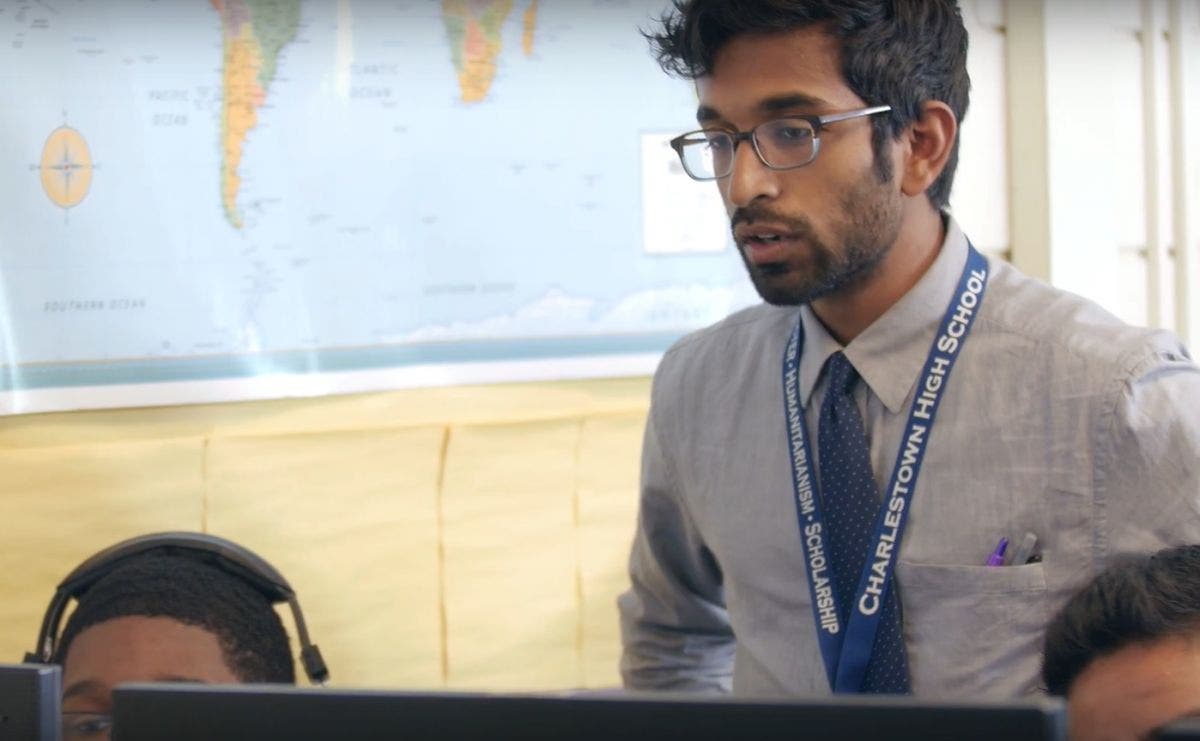
In Boston, such efforts are already underway. Charlestown High School has partnered with global software company SAP and other local public and private stakeholders, such as Jobs for the Future, the Boston Mayor’s Office, and Bunker Hill Community College, to create C-Town Tech. This innovative, technology-focused program provides students with early college credit and real-world training, preparing them to thrive in the digital economy. I’ve met the students in the program, I’ve seen the work they’ve done, and I am inspired by their energy, their determination and their future prospects in the workforce.
C-Town Tech is a bright spot in the Boston school system. It’s up to us as Massachusetts voters to ensure that these sorts of programs thrive and become not just the exception, but the standard at schools throughout the city.
So as you head to the polls over the next several days, I urge you to consider which vote will give all of our students the best access to the STEM training they need to meet the demands of a digital economy. And regardless of the outcome, let’s agree to put our differences aside and work together – businesses, schools, government, private citizens and non-profits – to make sure STEM training flourishes in Massachusetts. The future of Boston youth depends on it.